

 32:57
32:57Gov. Mark Dayton bowed to political reality Thursday, unveiling a revised budget that he hopes will be an easier sell to tax-averse Minnesotans than the massive sales tax overhaul he had championed just two months ago.
Although the $37.9 billion state budget proposal is Dayton's second, it is far from the last Minnesotans will see. In the coming weeks, lawmakers will add their own plans to the mix, and their leaders already have indicated they would sketch out some differences with Dayton.
Dayton's new plan relies heavily on a $1.1 billion income tax increase on the wealthy and allows him to revert to the "Tax the Rich" mantra that got him elected.
"Just saying no to tax increases is not a budget plan and it's not responsible," Dayton said.
But the new Dayton budget puts lawmakers and the governor on more comfortable footing as they negotiate details. His allies in the DFL Legislature had become increasingly vocal in their opposition to his plan to extend and overhaul sales taxes, particularly his proposal to tax business services. A Star Tribune Minnesota Poll last month found that a majority of Minnesotans opposed Dayton's proposed sales tax on business-to-business services but supported the idea of increasing the income tax on top earners.
Lawmakers from both parties — and even some in the business community — have acknowledged that, by the time the final gavel bangs, wealthier Minnesotans will face higher income tax bills.
Dayton campaigned in part on that issue, proposing it two years ago when he faced a Republican Legislature, put it to his January plan and is sticking with it in this latest iteration.
"I think that was done on Election Day," said Senate Majority Leader Tom Bakk, DFL-Cook, referring to voters' November swap of a Republican-led Legislature for a Democratic one. "The governor has been very out-front about how he feels about the high wage earners. So I think when Minnesota voters gave him a Democratic Legislature, that die was cast."
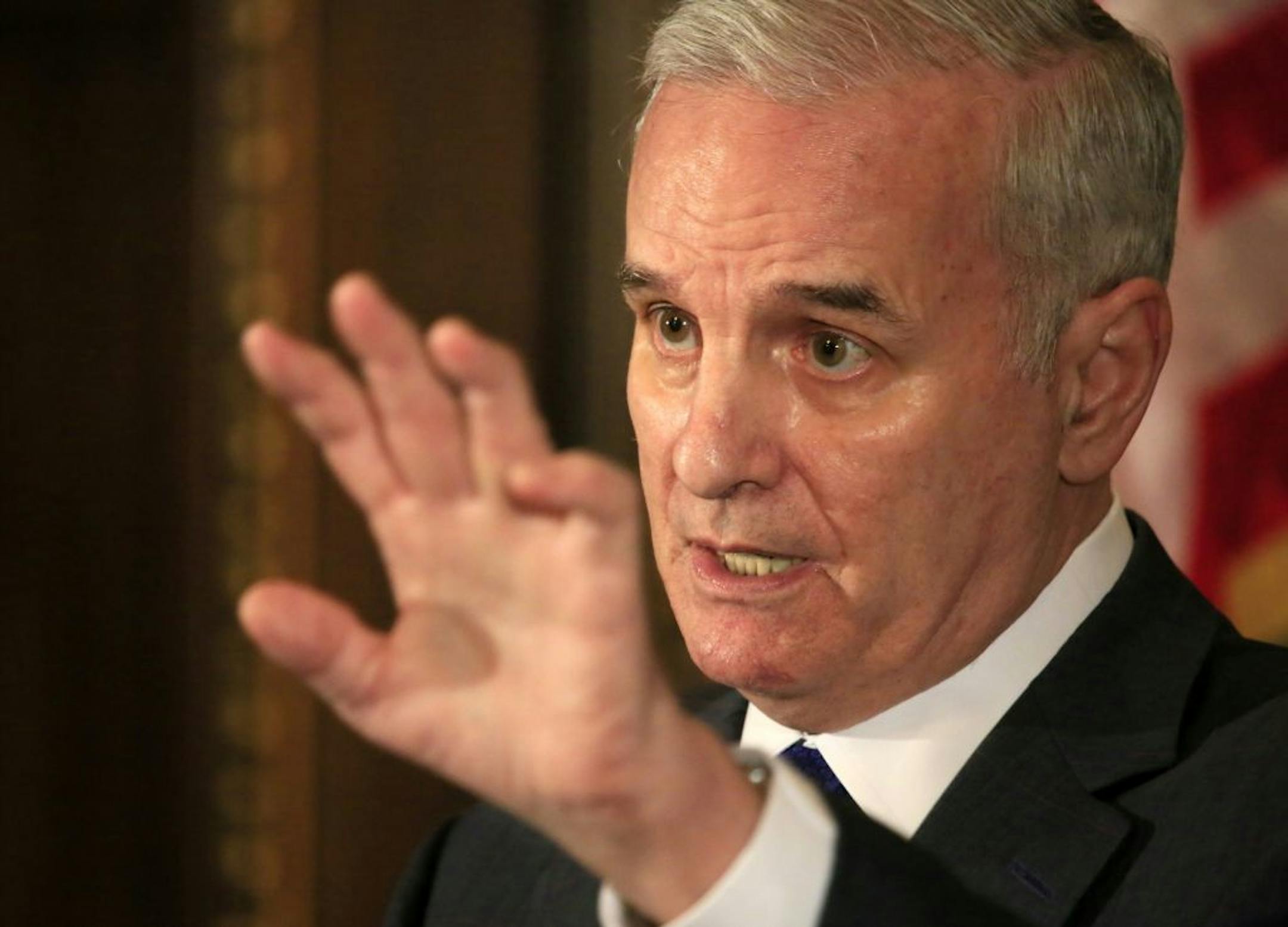
![Gov. Mark Dayton is asking Minnesota's wealthiest citizens to pay more than a billion dollars in new income taxes in order to boost state funding for schools and colleges by nearly $900 million. The Democratic governor released the updated budget proposal Thursday. As expected, Dayton dropped a proposed sales tax overhaul that generated strong opposition from business leaders. ] St. Paul, MN - 03/14/2012](https://arc.stimg.co/startribunemedia/UL25GKJSLBB2XM6GCSENNYXY3U.jpg?&w=1080)


