

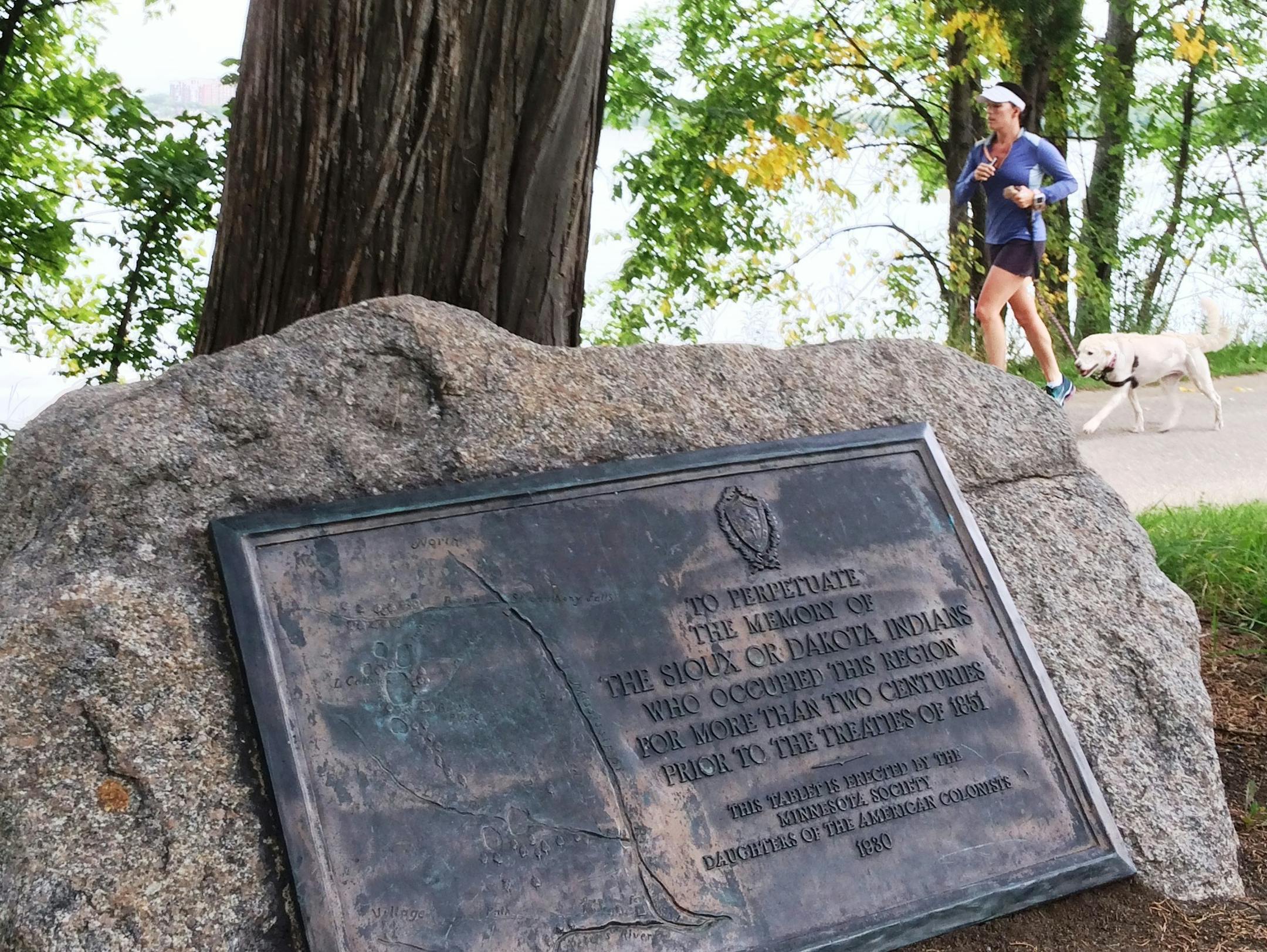
Few Minneapolitans have heard of Cloud Man, but the name of one of the city's earliest recorded inhabitants may soon achieve better recognition.
That's because three of his Dakota descendants sit on a citizen panel advising the Minneapolis Park and Recreation Board on renovations at lakes Harriet and Calhoun.
They want to restore the lake's original name of Bde Maka Ska (White Earth Lake) instead of honoring John C. Calhoun, a once-powerful political figure who backed slavery and proposed the Indian Removal Act, an effort to relocate tribal nations.
But the group's larger agenda is to more vividly commemorate the historical Dakota presence at the lake. That includes the Dakota agricultural settlement between 1829 and 1839 led by Cloud Man on portions of what is now Lakewood Cemetery.
The advisory panel is expected to play an influential role if the Park Board decides to enter the naming fray, although any such proposal likely would rely on favorable action by the Hennepin County Board and state Department of Natural Resources. Another option for a proposal likely to trigger fierce public debate is for the Park Board to ask the Legislature to bar the name of Calhoun and establish a process for selecting a new name.
The push for renaming the lake, which has attracted more than 4,000 signers to an online petition, has focused on Calhoun's legacy as a forceful advocate for slavery. To Dakota descendants, his role in the forced relocation of southeastern tribes, which became known as the Trail of Tears, argues just as strongly for renaming the urban lake.
"I see it as a name reclamation," said Kate Beane, one Dakota descendant. She's a scholar and enrolled member of the Flandreau Santee band. Her dissertation focused on her family's struggle to keep its cultural identity since the days of Cloud Man. "It's a recognition of the name we gave this space as the original settlers who lived here far longer."
As part of a $3.5 million renovation of Harriet-Calhoun parklands, the Park Board directed the project's citizen advisory committee to address "historic and contemporary cultural concerns."


