

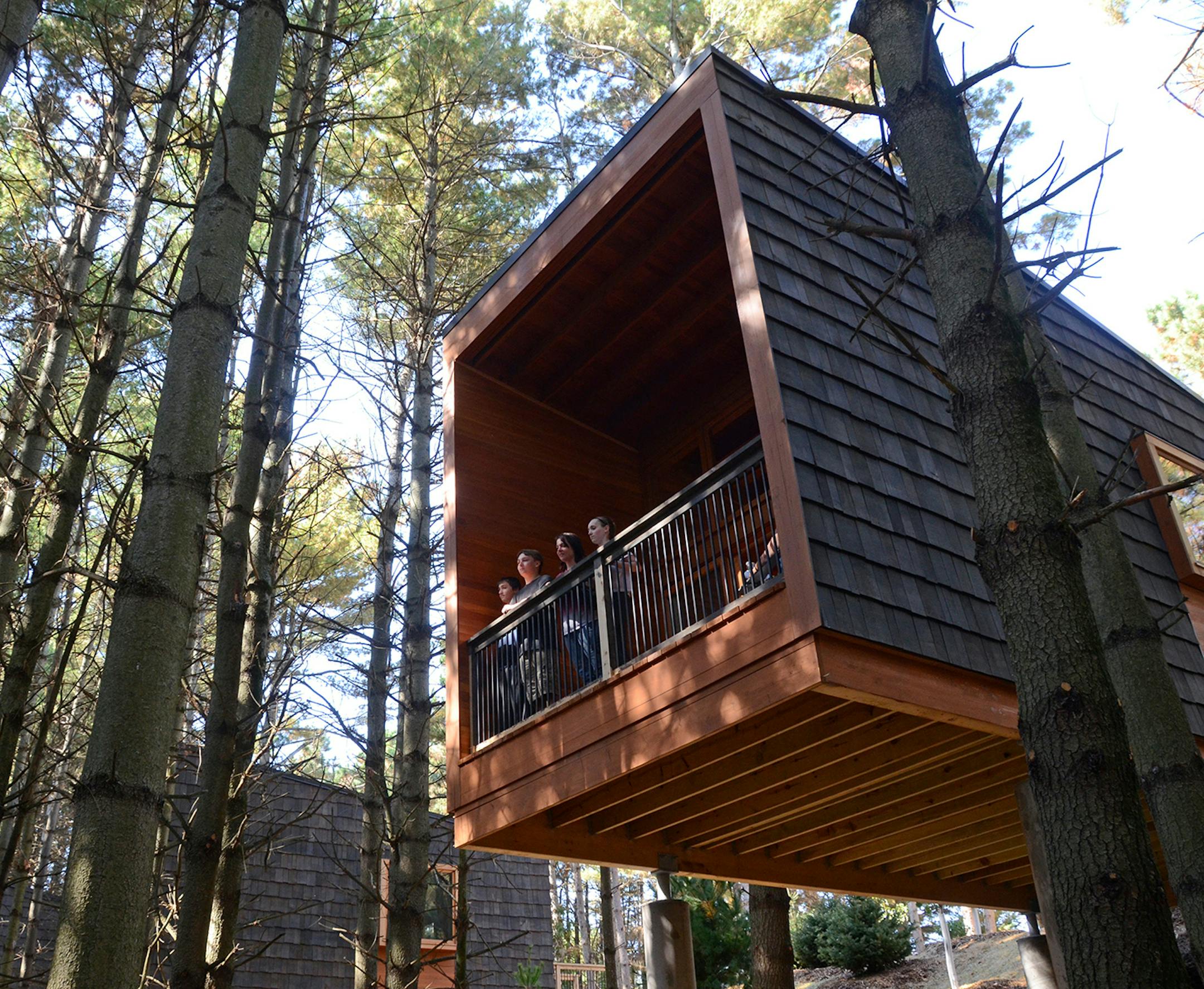
On a recent sun-splashed morning, the parking lot at Whitetail Woods Regional Park in Farmington was all but deserted — and I couldn't have been more pleased.
I had three hours to kill before an appointment, and I was badly in need of an audience-free nature fix. Confession: If I had my druthers, I would have picked a different destination, like a North Shore state park or a bluff in southeastern Minnesota along the Mississippi River. But given my time constraints, I felt lucky to have a relatively new metro-area park to hike and explore. Besides, I basically had the place to myself, in one of the state's fastest-growing regions. Not a bad deal at all, I thought, and only 32 minutes away from my front door in Prior Lake.
Opened last September, the 456-acre Whitetail Woods is in Empire Township in the center of Dakota County, one mile north of the Vermillion River. The park's land, previously farmed and hunted, was bought in 2008 for about $12 million and will be developed during the next few years. Whitetail Woods is the county's first new park in nearly 30 years.
"The park fills a gap in service for the growing communities of Rosemount, Lakeville and Farmington," said Beth Landahl, visitor services manager for Dakota County Parks. "It was determined we needed another regional park to serve the county's growing population base. That said, it's obviously open to everyone. We hope to attract park enthusiasts from across the state."
Dakota County has six park units, which includes three regional parks, two park reserves, one county park and three regional trails. "Our entire system gets just over a million visitors annually," said Landahl, citing 2013 numbers from the Metropolitan Council. "We won't have specific visitation numbers for Whitetail Woods until 2016, but traffic so far this spring has been pretty heavy, especially on the weekends."
The first thing that grabs your attention is Whitetail Woods' topography. The park itself is a diverse matrix of woods, wetlands and prairie that unravels across gently rolling hills. The entire unit feels bigger than it is, in large part because sight lines aren't always restricted.
"I was surprised by the vantage points — by how open it is," said Jymie Anderson, an avid hiker from Minneapolis, who visited with her husband earlier this spring. "There are some really lovely views when you're up higher. We really enjoyed the experience. They're obviously still doing a lot of work to the property, but it still feels very welcoming. We'll be back."
Landahl said 327 acres will be restored to their natural state. That includes removing invasive woody plants and planting trees to fortify the park's deciduous and coniferous woodlands. Roughly 100 acres of former tallgrass prairie and oak savanna will either be replanted or restored. An $800,000 state grant is paying for the entire restoration, which started this spring.

