

From the department of unintended consequences come fresh confirmations that changing human behavior is a devilishly tricky business.
It's predictable that people will respond when confronted with altered incentives or tightened restrictions. But the particular way they will respond is harder to predict — except that it often will frustrate the best-laid plans of social policymakers.
Consider three new studies concerning timely issues. First, an essentially good news report from the Pew Research Center says the number of illegal immigrants living in the United States had declined by 2016 to its lowest level in more than a decade — to something under 11 million. (Other noted studies find larger numbers, but the same trends.)
Despite the decline, of course, political tensions over illegal immigration have never been higher. But it's hardly unknown for the reaction to a problem to keep intensifying well after the problem itself has begun to recede. We can hope that if the wave of illegal immigration that swelled the unauthorized population all through the 1990s and 2000s is playing itself out, the political strife it causes will in time wane, as well.
On his "Conversable Economist" blog (which noted all the new studies discussed here), Macalester College economist Timothy Taylor observes that a declining flow of Mexicans into America has been visible for some years. Likely causes, Taylor says, include better economic times and a falling birthrate south of the border, along with the Great Recession and its aftermath in the U.S.
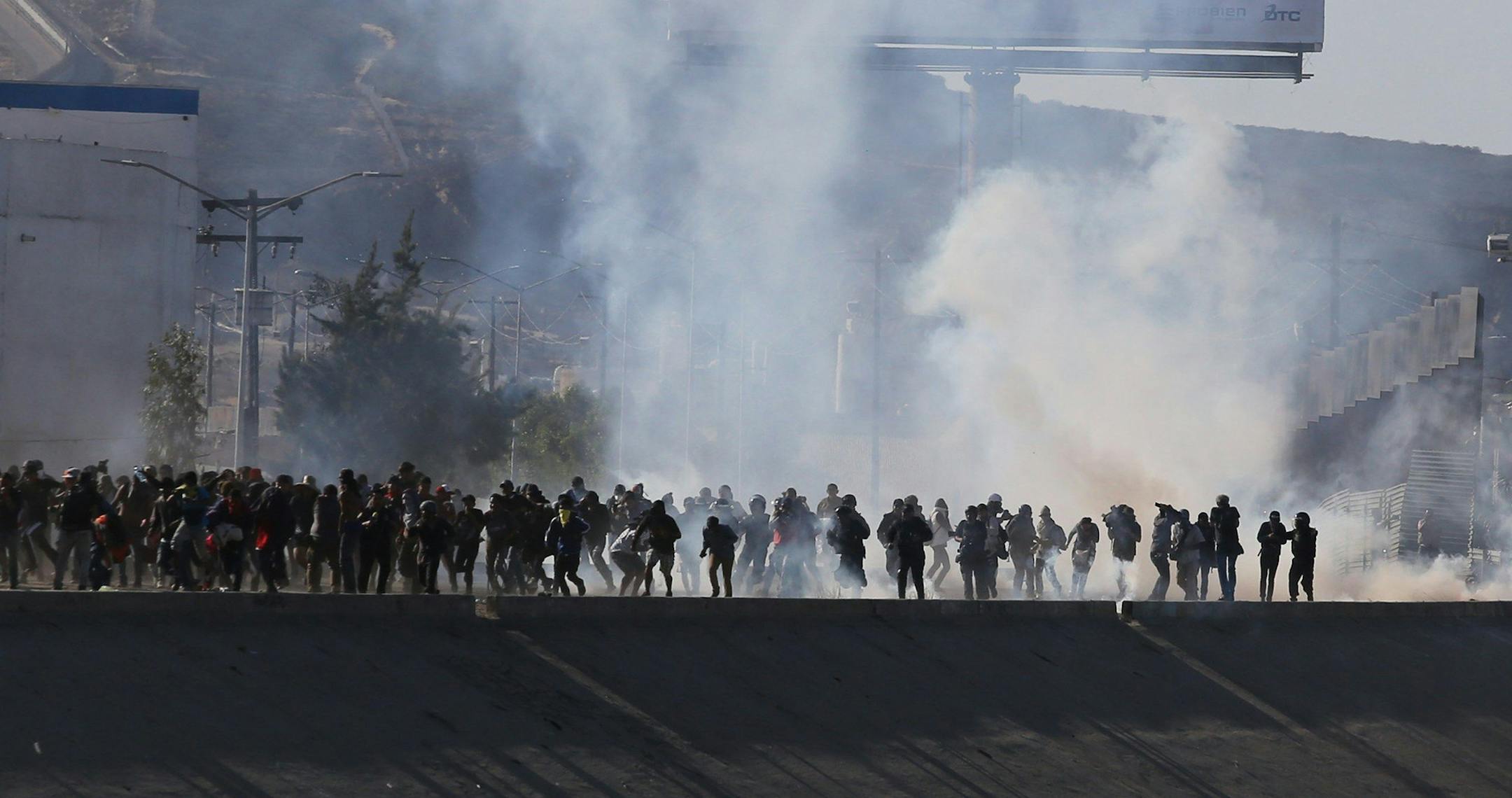
Meanwhile, Pew notes that the U.S. population of unauthorized Central Americans from Honduras, Guatemala, etc. is still increasing — as reflected by the recent "caravan" excitement. But that trend is more than canceled out by the drop in the unauthorized Mexican population.
What's most intriguing is this: While the total unauthorized immigrant population has been modestly falling, a stark transformation has occurred in the nature of these newcomers' residence in America. Basically, illegal immigrants seldom leave anymore.
Back in 2007, Pew reports, fewer than 40 percent of illegal immigrants had been living in America for 10 years or more; by 2016, fully 66 percent were such long-term residents.


