

It's no surprise that the board members of Wells Fargo & Co. have taken a pounding since the fake account scandal unfolded last year. A handful of them almost lost re-election at the last shareholder meeting even when running against nobody.
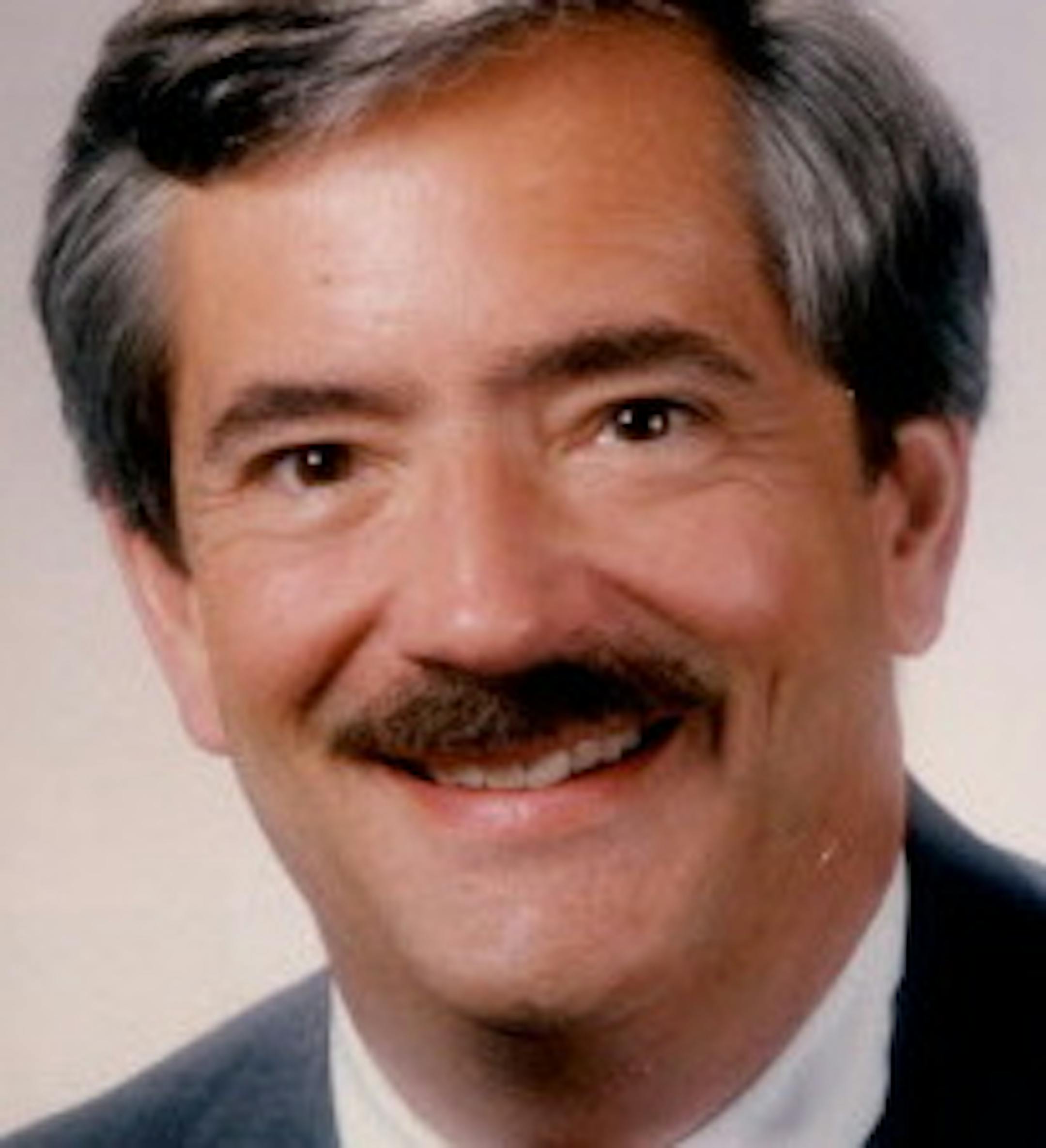
So when board Chairman Stephen Sanger and two other directors announced their retirement last week, the headlines were utterly predictable, about a "shake-up" that was part of "continuing fallout" over the fake accounts scandal.
Long overdue, corporate governance experts will tell you, maybe with a sigh. The Wells Fargo directors really blew it, failing in what's called the duty of obedience by neglecting to make sure the company followed the rules.
The board richly deserved its criticism, no question about that. On the other hand, there seems to be more to this story. Somebody on that board did a lot of hard work trying to fix this problem, and Sanger was lead independent director and later board chairman.
Remember that CEO John Stumpf lost his job, the board went after bonuses and stock grants for Stumpf and others and it fired four senior managers in the Wells Fargo community bank group. Among other actions, the board later took away about $32 million in pay from members of the operating committee who had nothing to do directly with the scandal, punishing them just for not looking out for the whole company.
It's also worth pointing out that much of what we know about the scandal came when the independent directors' released a 113-page report on their own investigation.
Sanger did not respond to a message to explain why he's stepping down, but he was due to retire from the board anyway, as next year he'll turn 72. He joined the Wells Fargo board in 2003, during a long run of success as CEO of General Mills.
It's not exactly true that big companies pack boards with the buddies of the CEO, but it's certainly true that what the board learns about the operations and plans for the company comes from the CEO and the other senior officers.


