

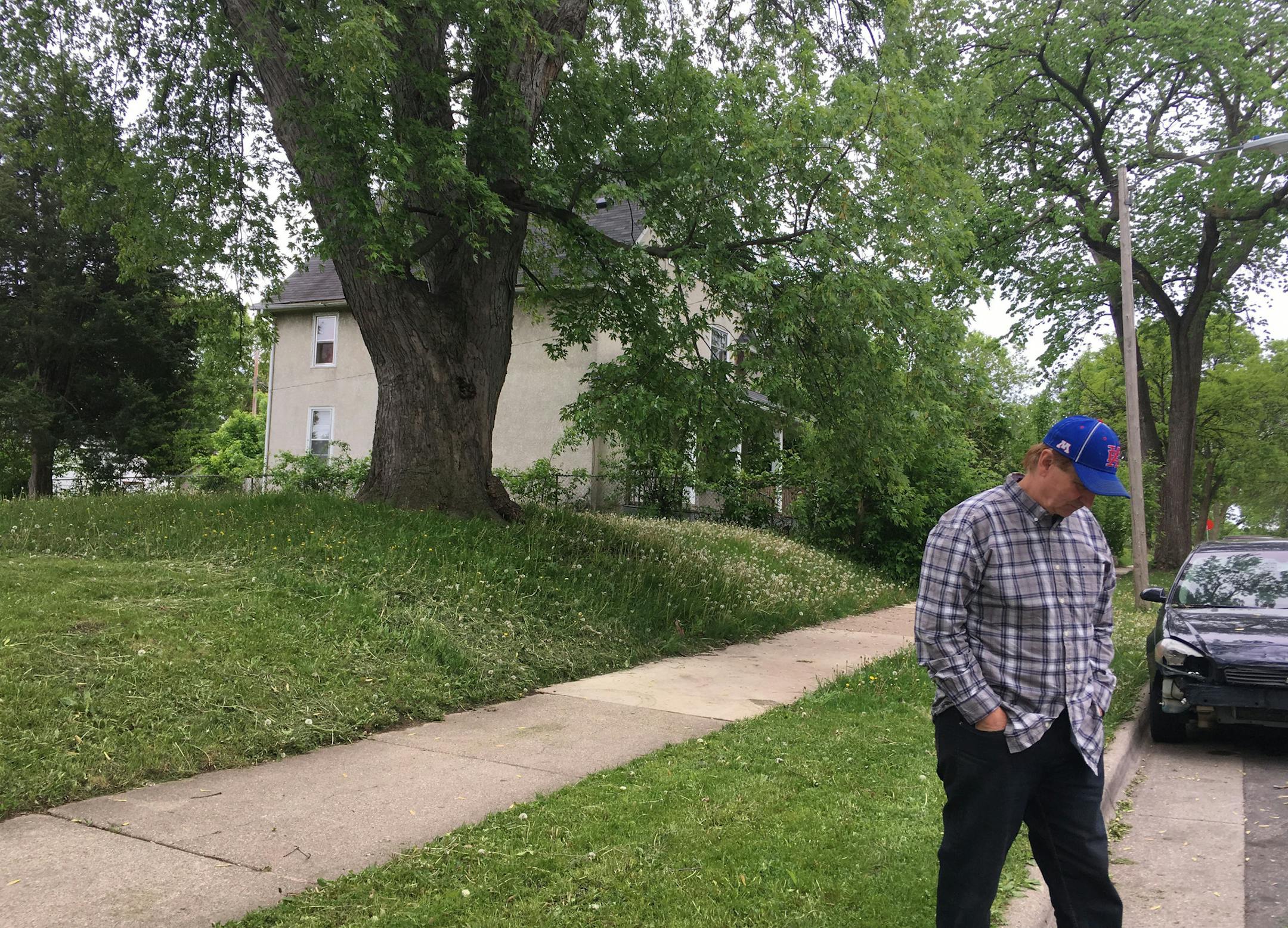
On May 22, "Mpls. offering incentives to build houses on vacant lots" highlighted a new program to support the development of housing on 400 city-owned lots, most of which are in north Minneapolis. While I understand the overall goals, I am not convinced this initiative aspires to be more than a "please just come" form of community development that places an overreliance on the private real estate market to advance the public good.
Not everything about the initiative is bad, but it follows in a long history of ceding public resources to the private market in the hope that it will place people over profits or community over capital.
The U.S. has a long history of explicitly racist planning and housing policy that strips communities of color of adequate housing. That's why it's essential to note how the city came to own so many vacant lots in the first place.
In north Minneapolis, predatory lending and subprime loans, coupled with the economic downturn, led to one of the highest foreclosure rates in the state, displacing families and stripping away the wealth of thousands of households between 2006 and 2012. The tornado that ripped through north Minneapolis neighborhoods in 2011 further destabilized families and properties. All of this is built on a history of institutional and structural racism that began with the practice of redlining communities of color in the 1930s.
As a side note, the developer in the Star Tribune article who articulates that the foreclosure crisis was the "best thing" to have happened to north Minneapolis obviously hasn't met any of the families that lost their homes during this time period. But we will leave that for another day.
In nearly every other industrialized nation in the world, governments understand that purely private land markets will not meet the needs of the low- and moderate-income households in their cities. In the U.S., relying on the private market to revitalize a neighborhood is standard practice across the country. Of course, low-wealth communities that have been systematically disinvested from deserve investment, but under our current land use system, upgrading a neighborhood almost always leads to displacement.
Which is why it takes more bold and creative leadership to advance truly equitable neighborhood revitalization in Minneapolis.
At a time when progressive cities across the country are passing ballot measures to significantly increase resources available to fund housing development, Minneapolis seems satisfied with status-quo solutions. Oakland authorized a $600 million general obligation bond to finance infrastructure improvements and affordable housing programs. That city also passed a number of renter protections to ease gentrification pressures. Portland, Ore., authorized a $258 million general obligation bond to finance affordable-housing programs. Eleven cities in Massachusetts established dedicated funds for housing, open space and historic preservation through small tax increases. Baltimore may allocate $40 million toward a community land trust model.


