

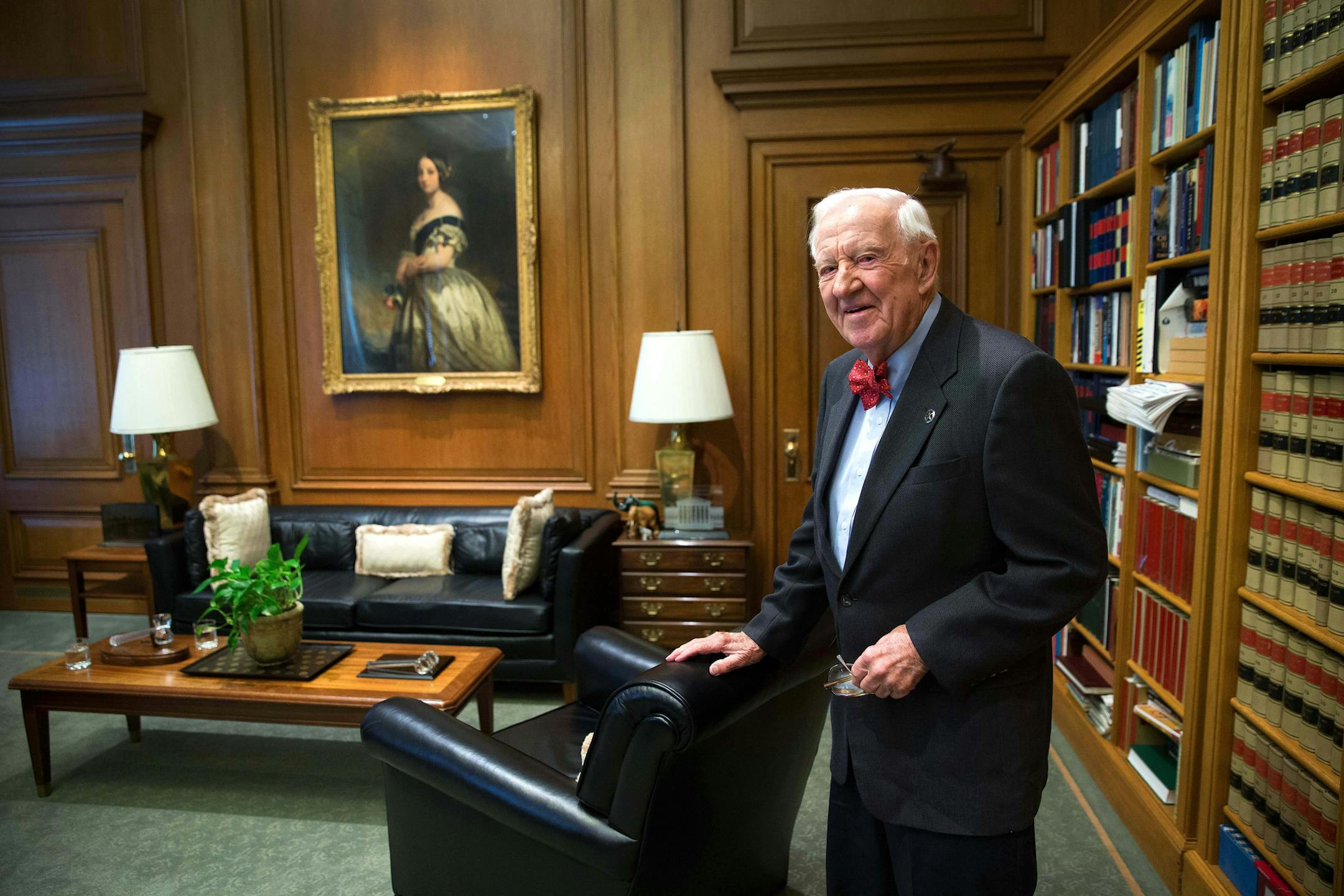
The death of former U.S. Supreme Court Justice John Paul Stevens at age 99 last week was properly greeted with accolades for his remarkable life and judicial career, stretching from witnessing Babe Ruth's famous "calling his shot" home-run in the 1932 World Series against Stevens' beloved Chicago Cubs to his emergence as a member of the liberal faction during his 35-year career on the high court, the second-longest tenure in history.
But the accolades bestowed upon him overlook some of his shortcomings on the bench. In particular, Stevens crafted two of the Supreme Court's most disturbing and politically consequential decisions, which continue to reverberate.
In 1997, Stevens authored the court's unanimous decision in the sexual harassment lawsuit by Paula Jones against President Bill Clinton. The ruling in Clinton vs. Jones denied an effort by the president to freeze the case during his term in office, rejecting Clinton's claim that allowing the case to proceed would be unduly disruptive to his ability to carry out his duties.
Stevens minimized that concern, predicting that involvement in a civil lawsuit would not be "burdensome." This rationale clashes with established government policy, which has reared its head again in the current maneuvering regarding President Donald Trump, that a sitting president cannot be criminally inducted. Stevens' decision creates a dilemma that would prohibit proceedings against a president for committing serious criminal matters while allowing civil suits against the president for potentially lesser infractions.
In his decision, the justice also scoffed at the potential risk for "a large volume of politically motivated" lawsuits tying up time, energy and resources of a future resident of the White House, which certainly has materialized for the current occupant.
The justice clearly missed the mark in calling both of these shots.
While he was joined by all of the other justices in the Clinton case, even greater and more ominous impact stemmed from the decision Stevens wrote for a 6-3 majority upholding state laws requiring voters to show photographic identity cards to be eligible to cast ballots in the 2008 case of Crawford vs. Marion County Election Board. Stevens regarded obtaining and maintaining such identification as not imposing a "substantial burden" on prospective voters, despite evidence at the time and even more so since demonstrating the deleterious impact on minorities, the elderly, the poor and students, among others.


