

The May 11 commentary by U.S. Rep. Pete Stauber and White House adviser Peter Navarro ("Trade proposal will put U.S. in a better position") focused primarily on northern Minnesota's steel mining industry.
Stauber's position is understandable; failure to support a major industry in his congressional district would amount to political malpractice.
Navarro's effort to ride piggyback on Minnesota's steel industry by projecting local logic onto the international auto industry is more problematic, so let's start there:
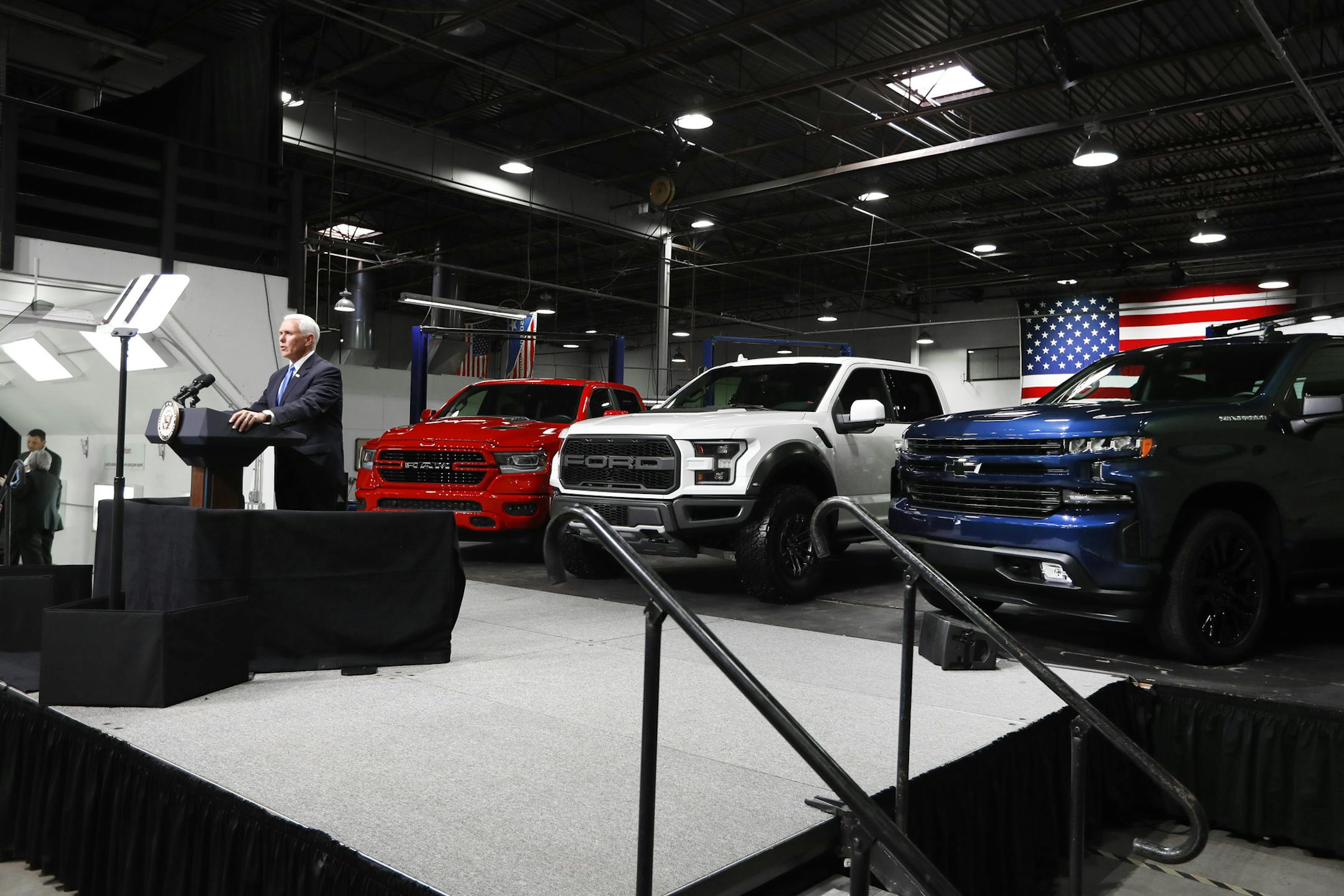
When the administration levied tariffs on steel and aluminum, Ford and General Motors publicly stated late last year that the tariffs had already cost them approximately $1 billion each, or around $700 per vehicle they produced in North America. Since they already used mostly U.S.-sourced steel and aluminum, this is ample evidence that U.S. producers of these raw materials simply used the tariffs to justify steep price increases, which must ultimately be passed on to American consumers.
The worldview of Navarro and the administration is mired in the 1980s, a time when people commonly referred to car manufacturers as American, German or Japanese, etc. Today, the auto industry is without exception an international enterprise; a truly global supply chain gives these companies the best components at the lowest price, which ultimately benefits the consumer. Consider these facts:
• The American-built car with the highest U.S. content is Honda.
• The largest automotive exporter in the U.S. is BMW. (Its South Carolina plant is the biggest BMW assembly plant in the world.)
• General Motors sells and produces more cars in China than in the U.S. (GM imports large numbers of vehicles from China and will be badly hurt by tariffs.)


