

I agree with Paul John Scott's argument in "The risk-reversal diet" (Feb. 24) that, unless we rethink our beliefs about food and sickness, Minnesota is headed for worsening health and health care costs that will break the bank. He's also right that this scenario can be reversed.
We've known that for nearly 20 years, since the publication of two major studies published in the New England Journal of Medicine: the Finnish Diabetes Prevention Project (2001) and the Diabetes Prevention Program (2002).
Both show that diabetes can be prevented by adopting a few simple lifestyles: Lose just 5 percent of your body weight; eat only small amounts of animal fat; keep total fat to about a third of your total calories; eat plenty of fruits, vegetables, whole grains and legumes such as lentils, kidney beans and peas; and be physically active for about 30 minutes on most days.
However, as a cardiologist, I see firsthand that Scott is wrong in claiming that eating fat from any source will improve health in our country.
In the two decades following World War II, the U.S. and several northern European nations experienced an epidemic of heart disease. For more than 35 years I have participated in research in Finland, where death from heart disease has fallen by 85 percent since 1970 and middle-aged people are now living about 10 years longer. Until recently, the experience in the U.S. wasn't too different.
How did that happen? In a nutshell: People cut way back on eating high-fat milk, butter and other foods that contain animal fat and started using canola and olive oil.
The "heart-healthy" diet message was rolled out in the 1980s while I was training to be a cardiologist. The experts thought that the American public was not sophisticated enough to understand the difference between the types of dietary fat. It can seem complicated.
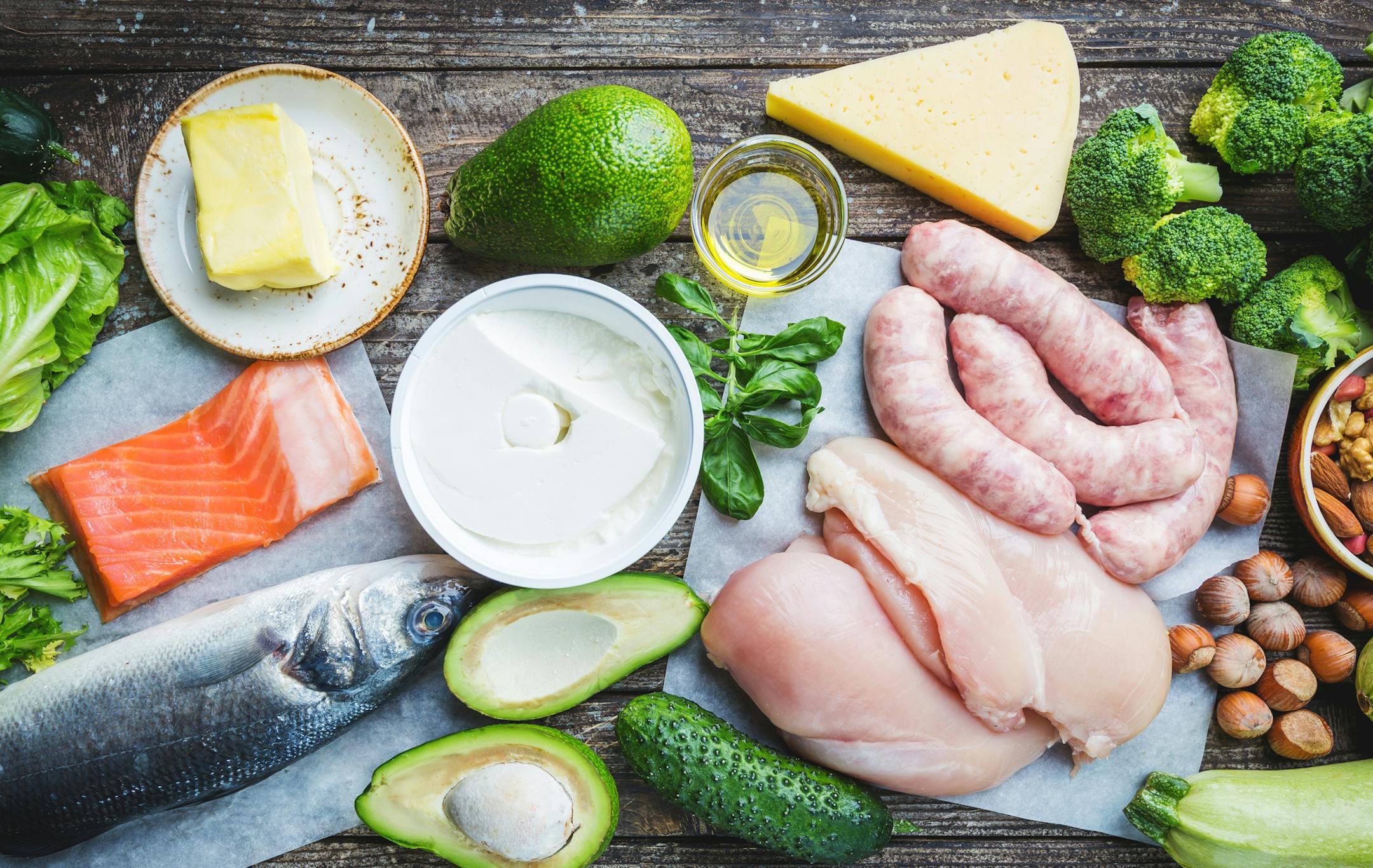
There are the so-called bad fats (saturated), from foods such as red meat and trans fats that are found in cookies, doughnuts and other processed food. Then there are healthy fats, from foods such as olive oil and avocados (monounsaturated), and omega-3 fats from fish, including salmon and flax (polyunsaturated).


