

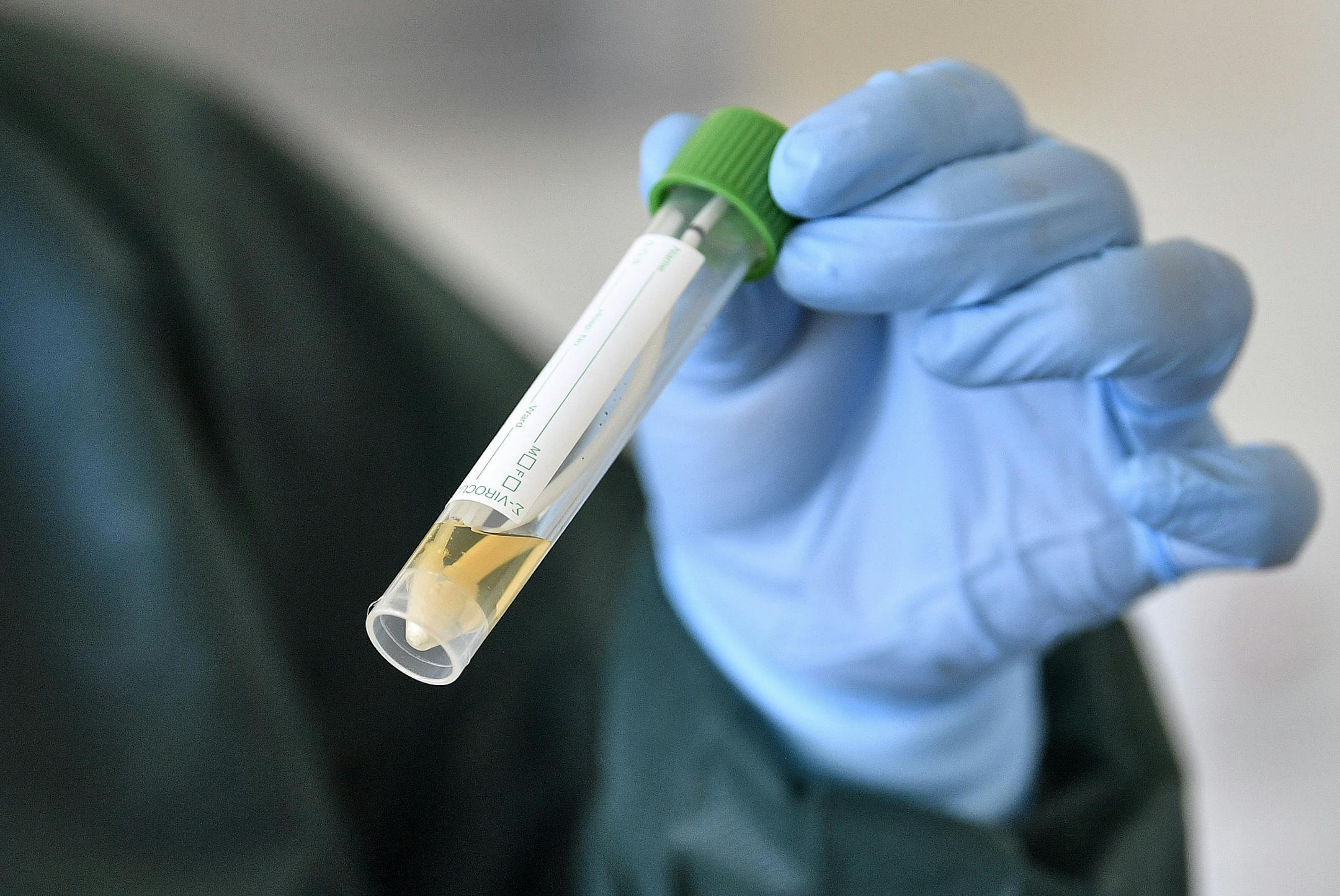
SARS-CoV-2, commonly known as the novel coronavirus, is officially a global pandemic. Multiple chains of transmission are underway in dozens of countries. Heroic efforts, such as instituting worldwide isolation measures like those in Wuhan, China, and in Italy might still slow the spread — but the impact of doing that everywhere could be even worse than the disease. So the virus will traverse the world, probably infecting between 40 and 70% of the global population during its first wave.
This might occur over a painful six to 12 months, or it might be spread over a more manageable several years. Either way, once the first wave is done, the virus is probably here to stay. This seems scary, as if we are resolving ourselves to tens of thousands — or hundreds of thousands — of deaths in the United States each year. But it is very unlikely that things will remain that bad.
Established diseases behave very differently than novel pandemic viruses. Most important, when a disease becomes established, the age distribution of infection changes. Right now, the high death rate from the coronavirus is driven almost exclusively by the oldest cases: One study from Wuhan found that 81% of deaths as of Feb. 11 were in people over 60, and only one death out of 1,023 was in a person younger than 20. Because this is a new virus, everyone is susceptible regardless of their age. This means a 70-year-old is just as likely to be infected as a 7-year-old — and far more likely to die.
Compare this with an established disease like measles. Before a vaccine was licensed in 1963, nearly everyone got measles at some point in their life. In fact, because measles is so infectious, getting it was an almost universal childhood rite of passage. And because infection with measles confers lifelong immunity, adults caught the disease only under extraordinary circumstances (such as when it was reintroduced to the Faroe Islands in 1846, after an absence of 65 years).
We don't know if infection with the novel coronavirus confers long-lasting immunity. If it does, then something similar will happen: Eventually, almost all adults will be immune, and new infections will be concentrated among children. Since the virus causes severe disease almost exclusively in older adults, this shift to a childhood infection would nearly, but not completely, eliminate hospitalizations and deaths from the virus.
But none of the coronaviruses currently common in human populations confer lifelong immunity, and there is a very good chance that SARS-CoV-2 won't either. Still, subsequent infections with the virus will almost certainly be less severe than the first, as individuals accumulate partial immunity. This is similar to the incomplete protection you get when the flu vaccine is an imperfect match for circulating strains; you can still be infected, but the resulting illness is far less harsh. This partial immunity would have a similar, if less dramatic, effect on the age distribution of the disease, reducing illness and deaths in older adults.
A buildup of population immunity will also moderate the yearly impact of the novel coronavirus in less obvious ways. Epidemics are like fires: When fuel is plentiful, they rage uncontrollably, and when it is scarce, they smolder slowly. Epidemiologists call this intensity the "force of infection," and the fuel that drives it is the population's susceptibility to the pathogen. As repeated waves of the epidemic reduce susceptibility (whether through complete or partial immunity), they also reduce the force of infection, lowering the risk of illness even among those with no immunity. This simultaneous reduction in the number of people susceptible to illness and the force of infection is why the same strain of influenza that causes a devastating pandemic will later produce mild seasonal epidemics. Vaccination campaigns, even when inadequate to eliminate disease, will have a similar effect.
So there will be a time after the pandemic when life returns to normal. We will get there even if we fail to develop a vaccine, discover new drugs or eliminate the virus through dramatic public health action, though any of these are welcome because they would hasten the end of the crisis.


