

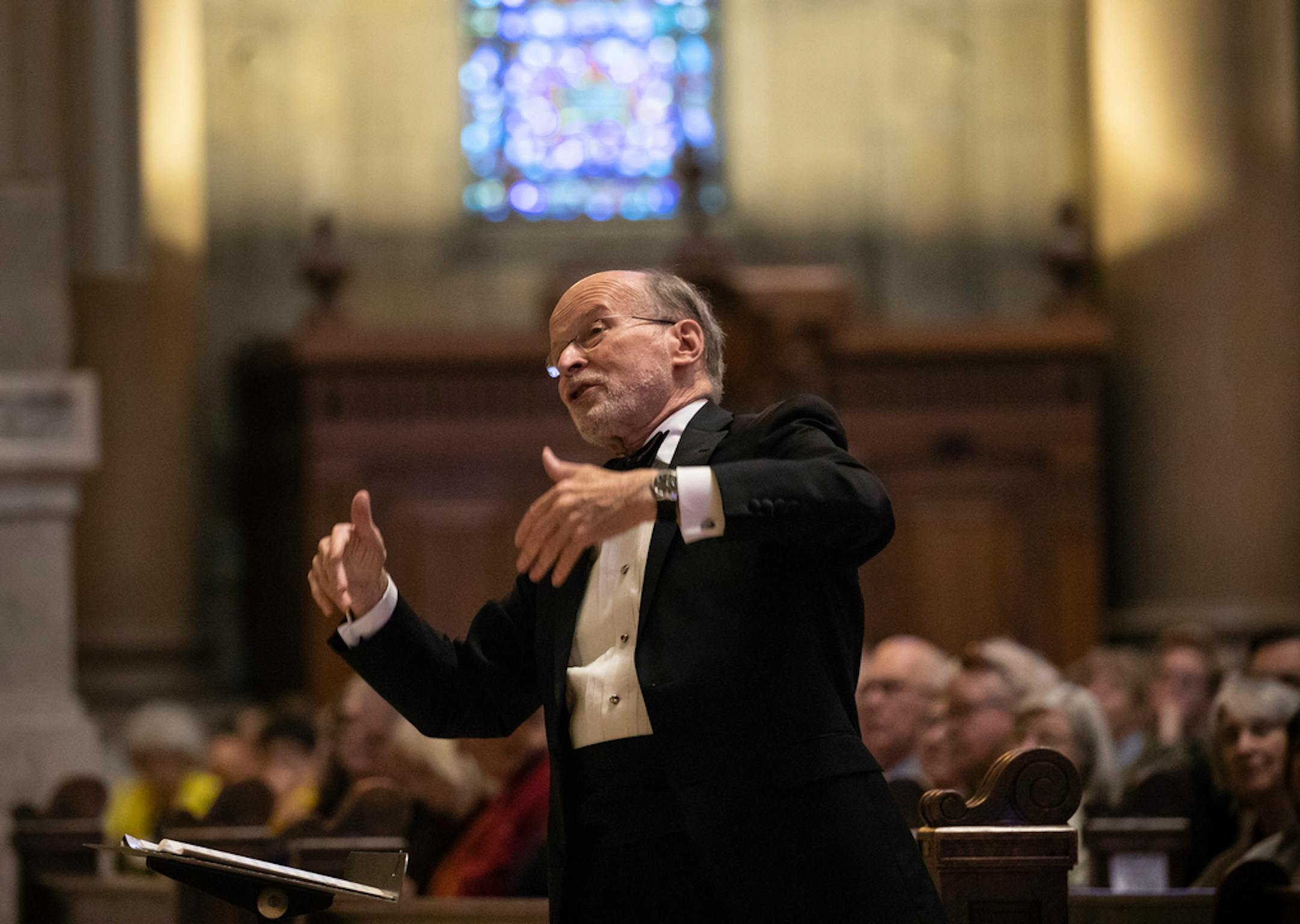
Coronavirus ravages choir
The choir that coughed in January
Did singing together spread coronavirus to four choirs?
The headlines have been coming thick and fast, and they are alarming.
Outbreaks (some fatal) of the coronavirus among choirs as far-flung as Amsterdam, Washington state and the English city of Bradford have pointed to a sinister possibility: Singing together is a uniquely high-risk activity in the age of COVID-19, and can lead to what the scientists call "super-spreading."
Why? The answer lies in the physical act of singing itself.
Singers exhale much more air, at higher speeds, than people speaking normally, producing as many as six times the number of airborne moisture particles that are potential carriers of the coronavirus.
These "droplet nuclei" can travel farther than the 6 feet prescribed by social distance protocols, and may linger in the atmosphere for an hour or more, particularly in enclosed spaces.


