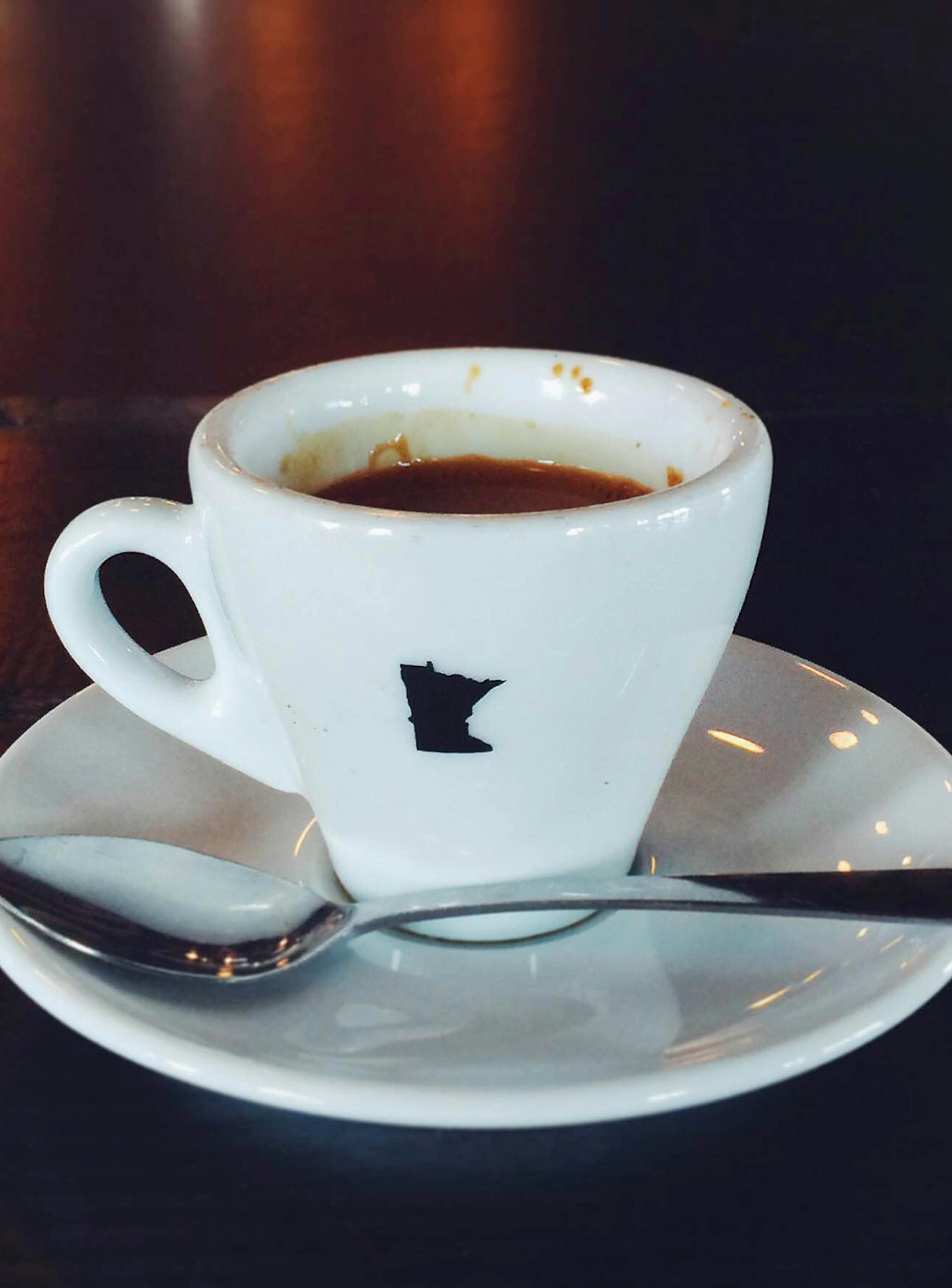
![Urban Bean coffee shop on Lyndale Avenue South. ] JOELKOYAMA•jkoyama@startribune Minneapolis, MN on June 5, 2014.](https://arc.stimg.co/startribunemedia/67LFLDY5LYFTWQTERMPBYN5ZAA.jpg?&w=1080)
Watch the 1994 "Friends" pilot again sometime, the one where the babyfaced gang piles onto that overstuffed couch at their favorite coffeehouse as if they're at a sleepover. Other patrons of the fictional Central Perk chatted or read newspapers while waitresses poured refills from glass pots, no lattes or laptops in sight.
In those quaint days, we called coffee shops coffeehouses and treated them as such.
But cafes are re-evaluating their role as the neighborhood's de-facto living room after a racially charged arrest at a Philadelphia Starbucks this spring.
Starbucks responded to accusations of discrimination by welcoming guests to use its tables and restrooms, whether or not they made a purchase. While the policy got good press for the embattled multibillion-dollar company, it forced smaller, locally owned coffee shops to ask an uncomfortable question:
Are they going to be expected to do the same thing? If so, can they still keep the Wi-Fi on?
Greg Martin, owner of Urban Bean on Lake Street in Uptown Minneapolis, says, quite simply, no.
"I think it's over-the-top ridiculous for Starbucks to take this stance now, where anyone can just do whatever they want," Martin says. "We are not a public park. We are not a library. We are a business."
He believes coffee shops should be able to expect the same behaviors of their guests that restaurants do.