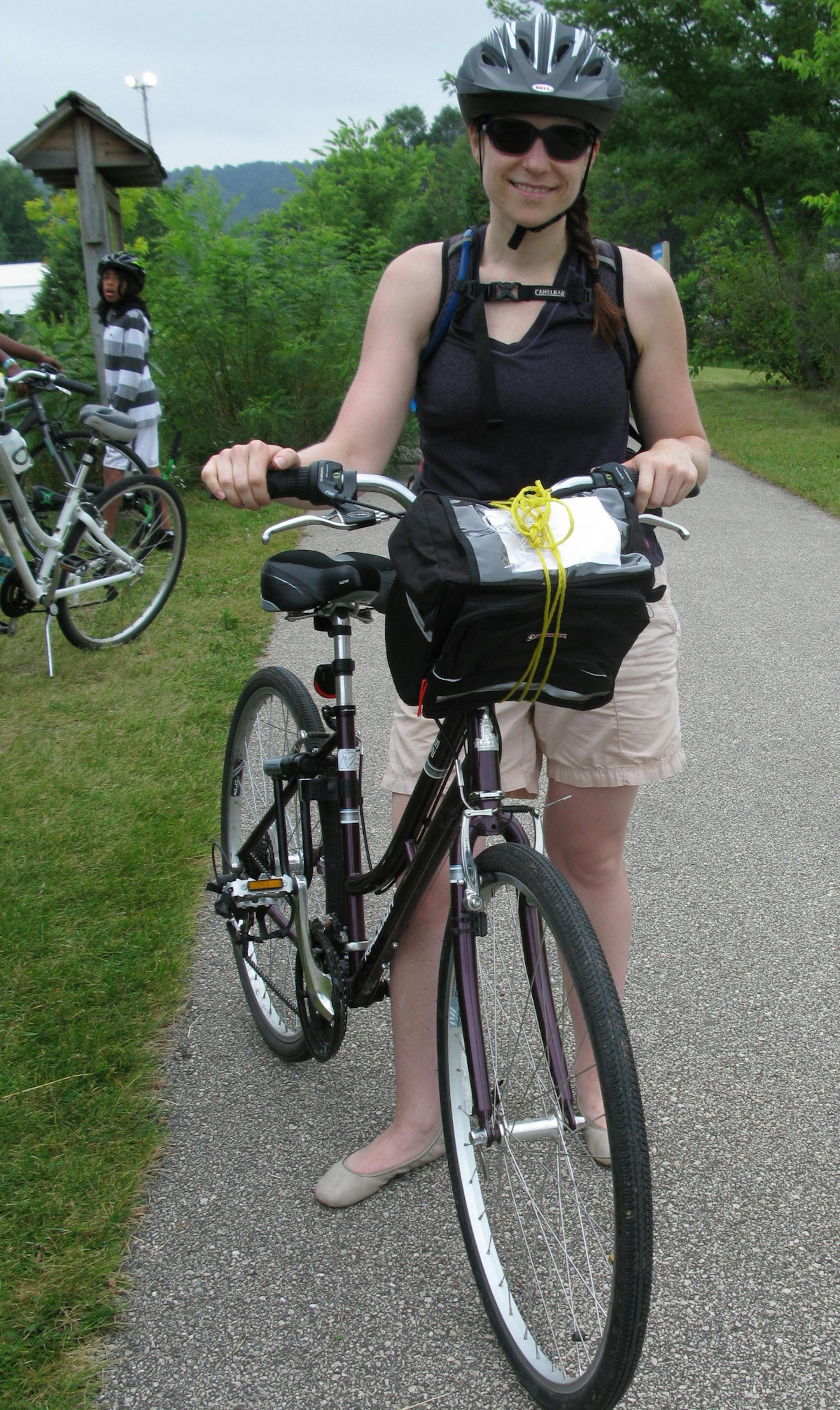
Whalan, Minn. – Between bites of Elvis Peanut Butter pie, Becky Talle explains why she's ventured here to bike the Root River Trail for the second time in three years.
"Just being in nature, the great outdoors — with no bugs," said the 34-year-old Eagle Lake kindergarten teacher, as she sits on the enclosed porch of the Aroma Pie Shop, just yards from the bike path.
While it's failed to transform every river hamlet into another Lanesboro — drawing flocks of tourists to their streets — the 60-mile Root River Trail is attracting visitors who otherwise might not be here. The Houston Nature Center, a crop of new B&Bs and Maggie Gergen's pie shop, which she opened here a decade ago, are among the destinations attracting out-of-towners.
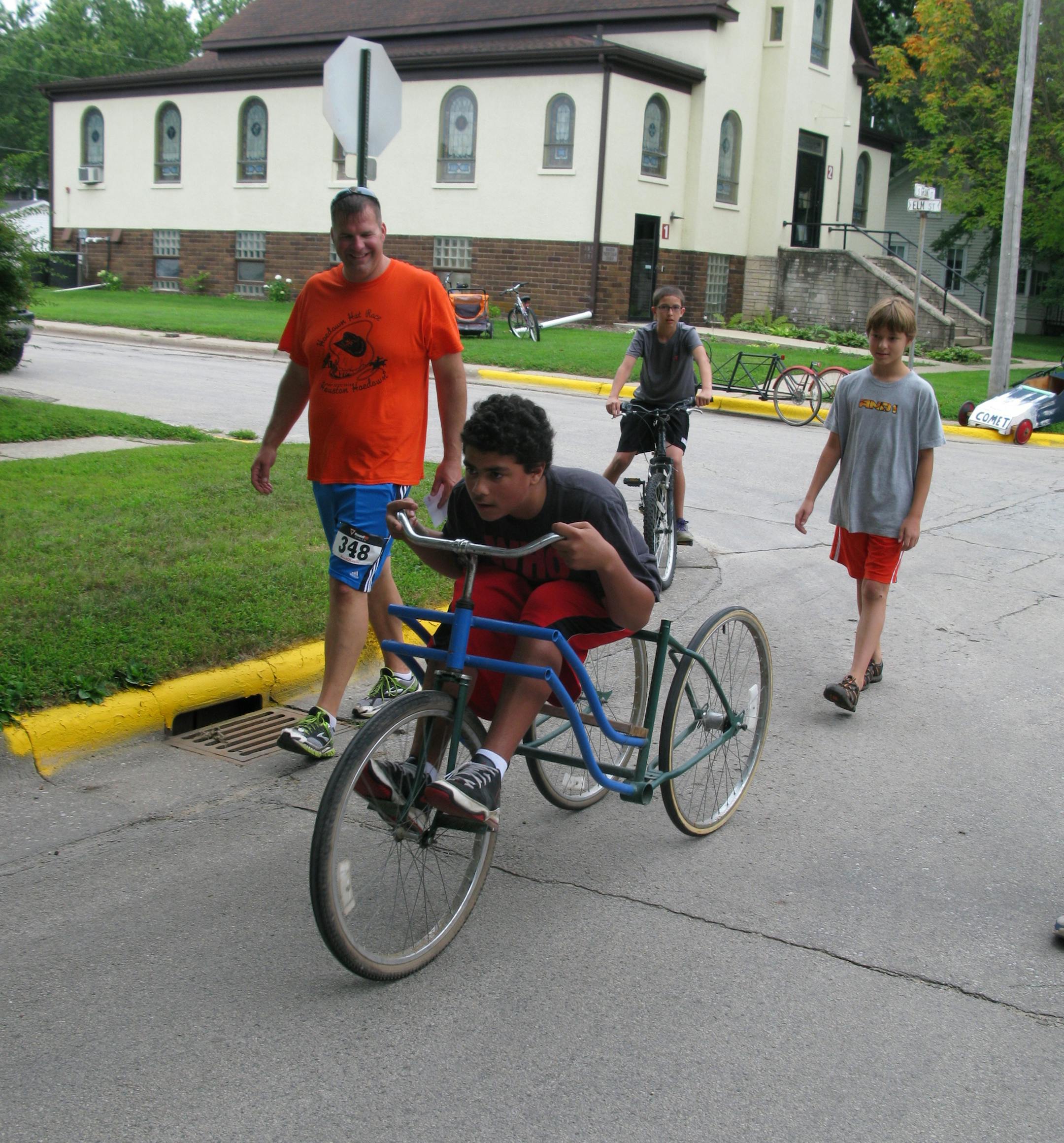
Tourists are key to small towns without industry, said Matt Schutte, a Houston City Council member. "We're always looking for ways to improve the economy," said Schutte as he judged a soapbox-derby competition the last weekend in July at the annual Houston Hoedown festival.
A 2010 Minnesota Department of Natural Resources (DNR) report termed the trail "one of the key attracters of tourists to the area." The path generated about $2.3 million during the summer of 2009, according to the report.
Still, the controversial trail "hasn't been the economic savior people were dreaming about," said Dick Nethercut, a lawyer based in Harmony, who negotiated with area farmers during the 1980s to acquire land for the trail. "Expectations are always too high for something like that."
But the trail, built on 49 miles of an abandoned rail bed in the 1980s and expanded in the 1990s, has had an impact.
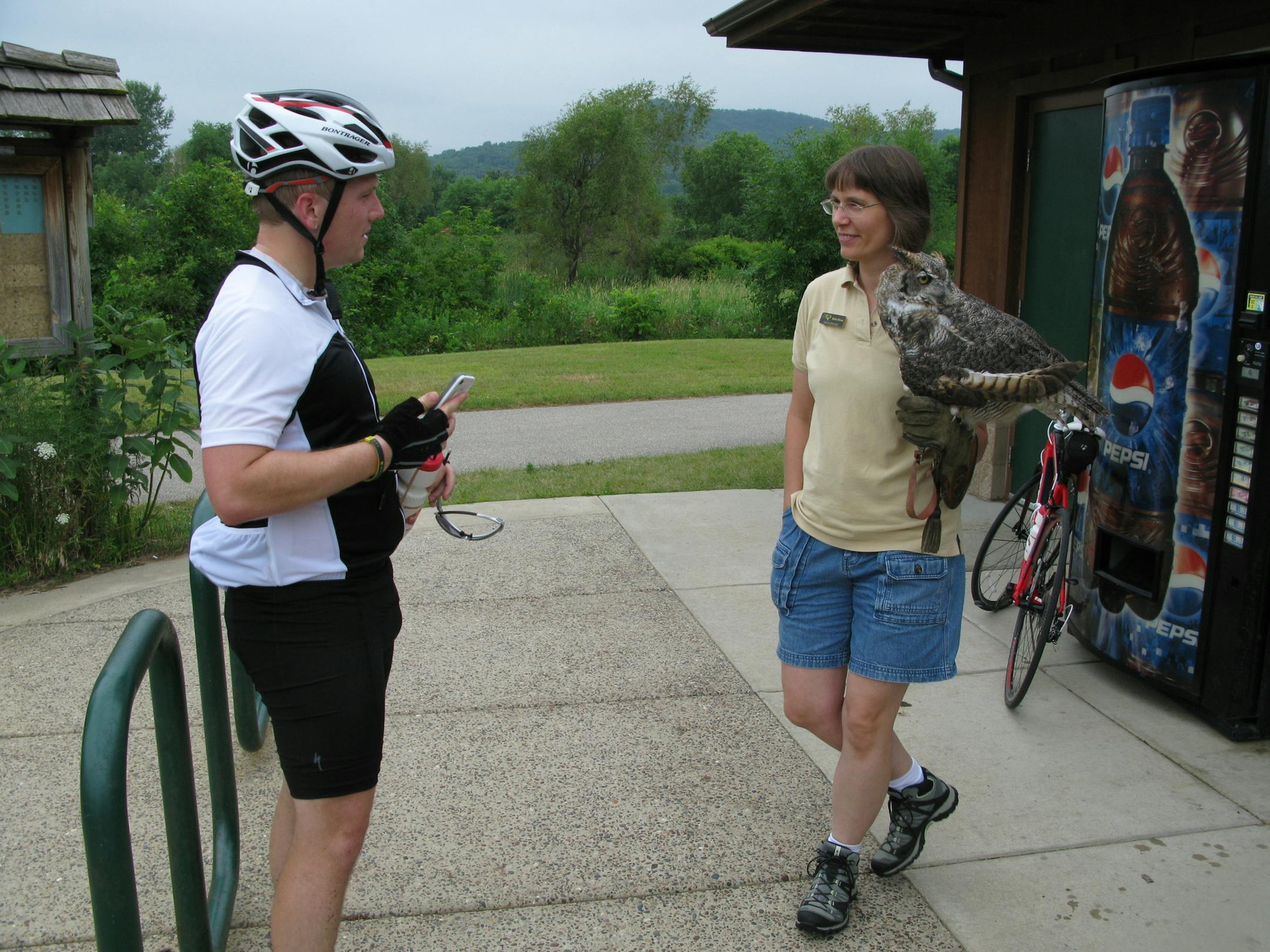
The Root River Trail enabled the construction of the Houston Nature Center, said Karla Bloem, the center's director. And that provided the impetus for the creation of an annual International Festival of Owls, "which attracts the top owl people on the planet," Bloem said. "There's no other owl-festival weekend like it."