

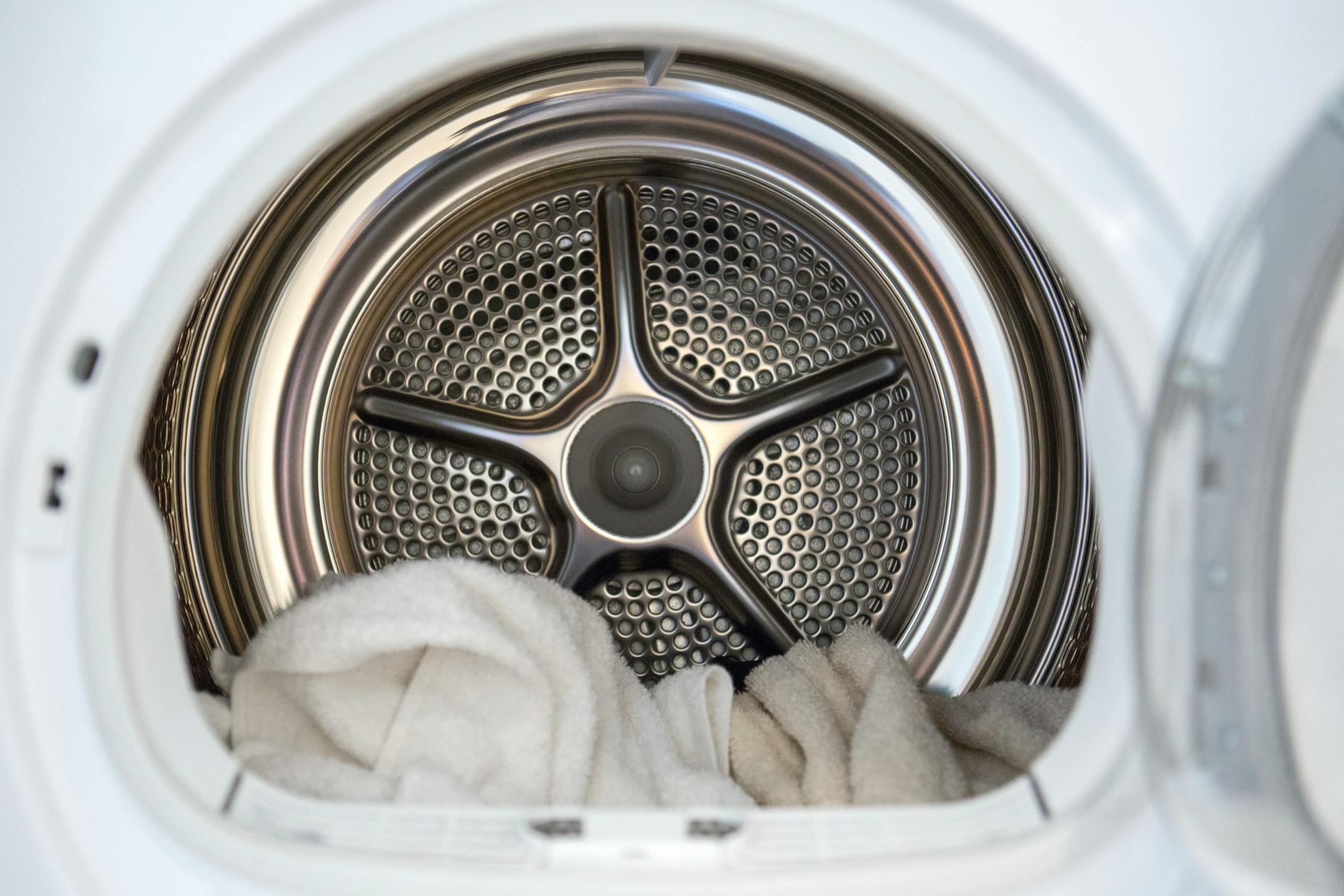
President Donald Trump's decision to impose tariffs on imported washing machines has had an odd effect: It raised prices on washing machines, as expected, but also drove up the cost of clothes dryers, which rose by $92 last year.
What appears to have happened, according to new research from economists at the University of Chicago and the Federal Reserve, is a case study in how a measure meant to help domestic factory workers can rebound on American consumers, creating unexpected costs and leaving shoppers with a sky-high bill for every factory job created.
Research to be released Monday estimates that consumers bore between 125% and 225% of the costs of the washing machine tariffs. The authors calculate that the tariffs brought in $82 million to the U.S. Treasury, while raising consumer prices by $1.5 billion.
And while the tariffs did encourage foreign companies to shift more of their manufacturing to the United States and created about 1,800 jobs, the researchers conclude that those came at a steep cost: about $817,000 per job.
Trump imposed the tariffs last year in response to a complaint by the Michigan-based manufacturer Whirlpool, which claimed foreign competitors were cornering the American washing machine market with cheaper models that threatened domestic manufacturers. The tariffs started at 20% per imported washer and rose to 50% late in the year.


