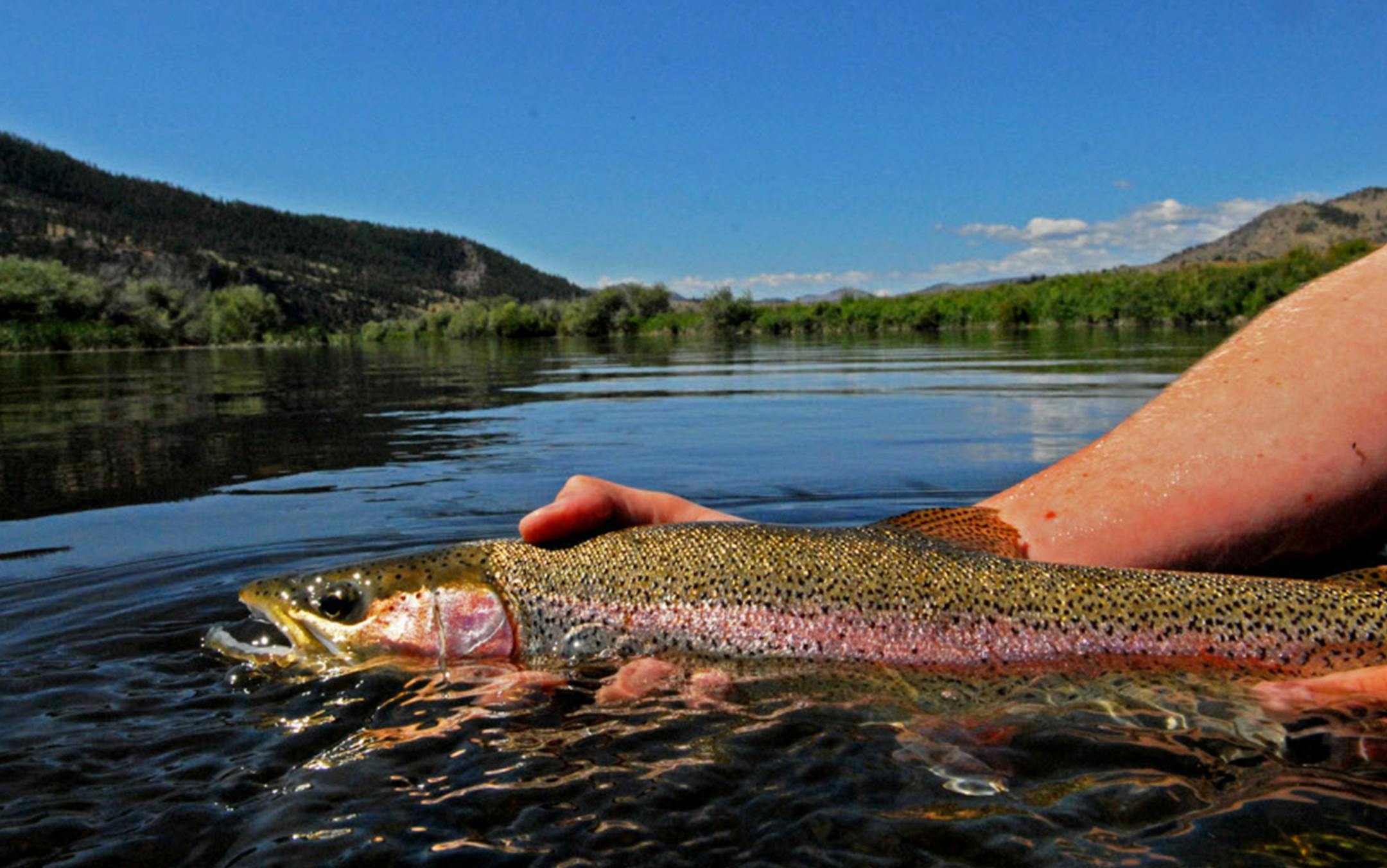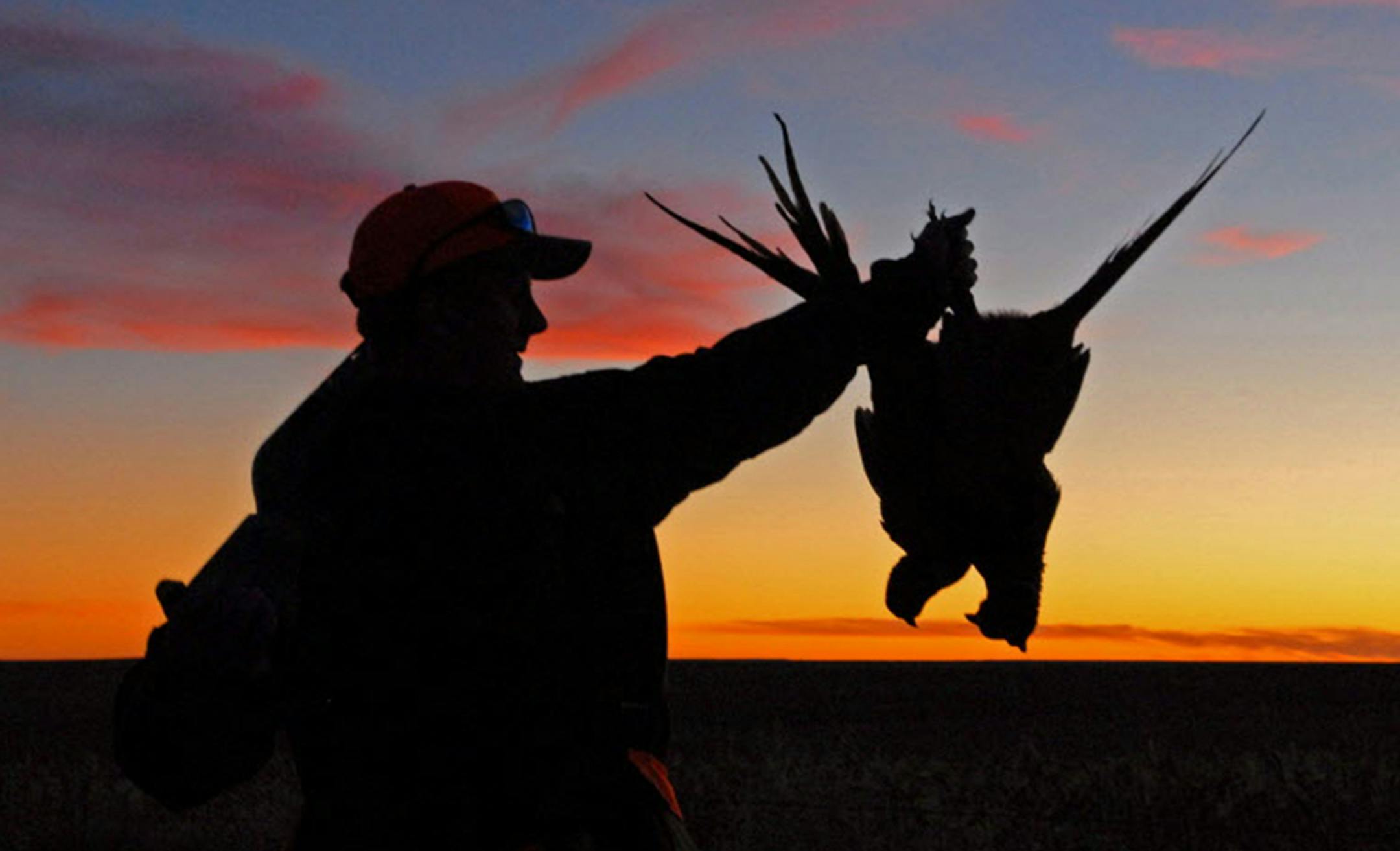
Two seemingly disparate conservation struggles, one in Minnesota that seeks to ban lead shot on some wildlife management areas, the other in Montana that has pitted a wealthy landowner against anglers wanting to ensure public river access, are in key ways linked.
Each highlights the inherent conflict between economics and conservation that celebrated Wisconsin ecologist Aldo Leopold (1887-1948) struggled with throughout his career.
Each also has dragged two wildlife habitat groups, Pheasants Forever and Ducks Unlimited, otherwise known for their valued efforts to enhance and restore land and water, into the skirmishes, in the process revealing the trade-offs and compromises that forever have been part of conservation.
Americans, Leopold said, originally considered their country as something to be conquered, and they valued land and water initially only according to their ability to produce financial gain.
When extensive timber cutting, the industrial revolution, the expansion of agriculture and the mass production of automobiles inflicted significant wounds on the land, Leopold said, a reconsideration of its worth was required.
"Quit thinking about decent land-use as solely an economic problem,'' Leopold wrote in "A Sand County Almanac."
Instead, "Examine each question in terms of what is ethically and aesthetically right, as well as what is economically expedient. A thing is right when it tends to preserve the integrity, stability, and beauty of the biotic community. It is wrong when it tends otherwise."
• • •