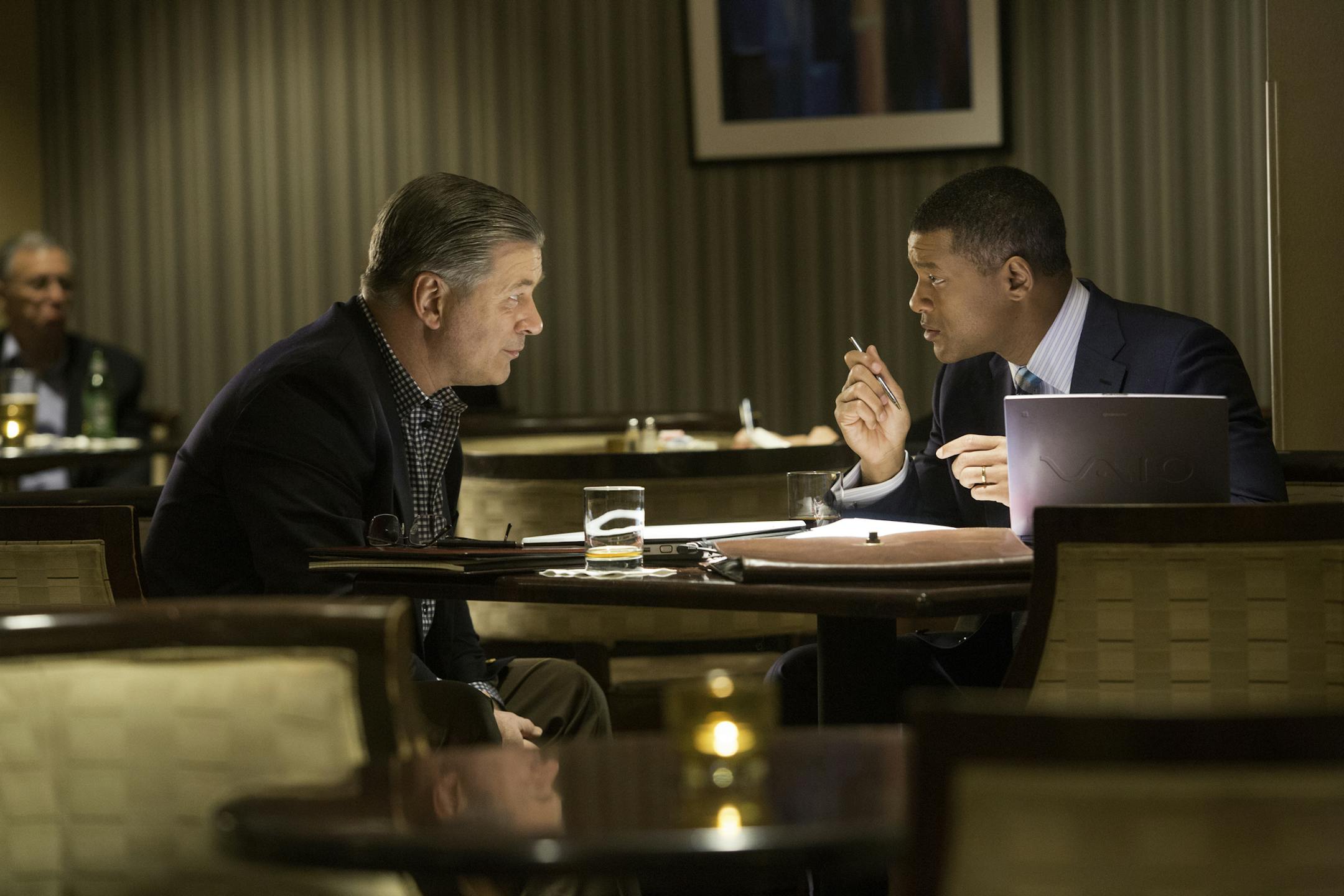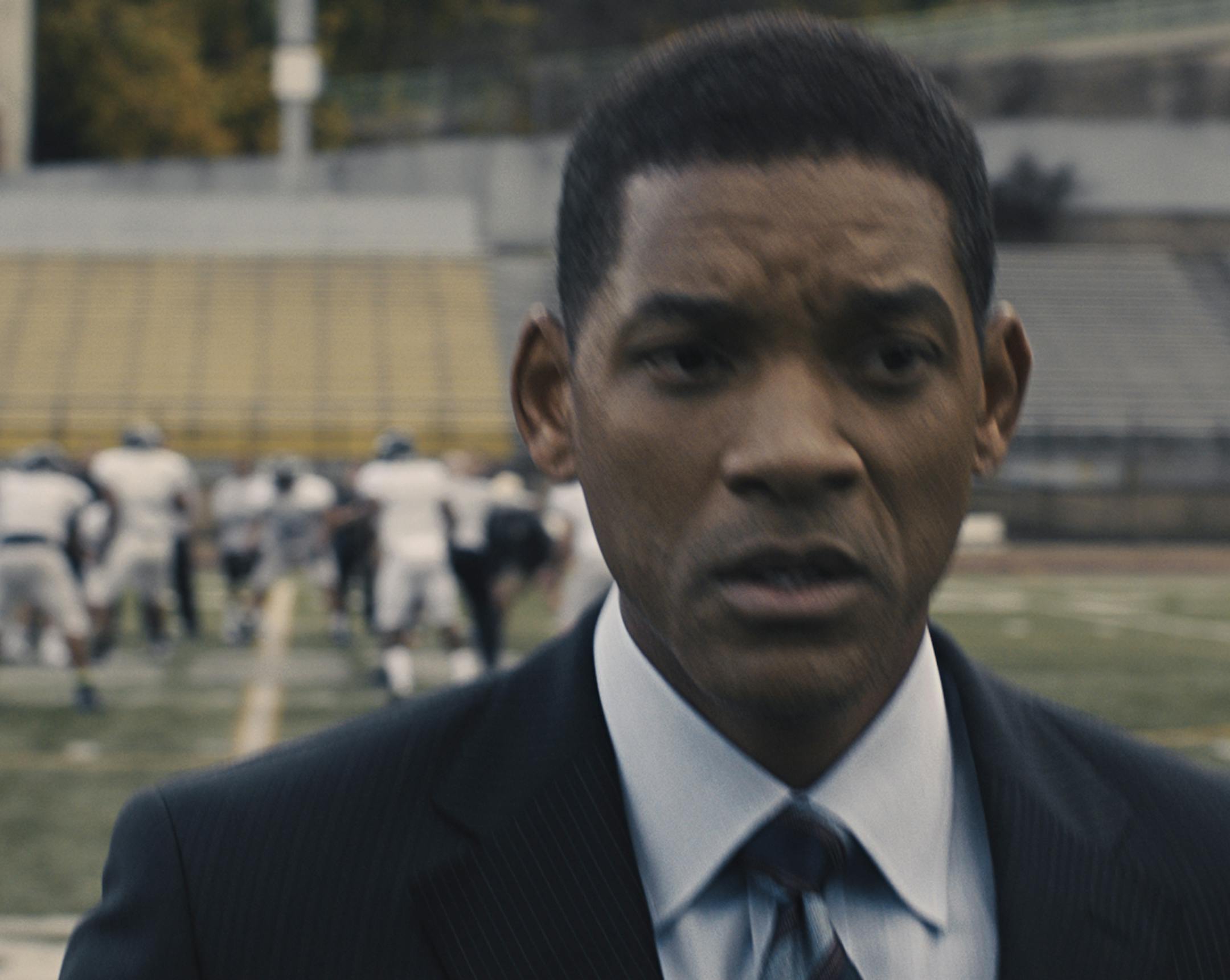
"Concussion," which opens in theaters nationwide Friday, is a movie ostensibly about Dr. Bennet Omalu (portrayed by Will Smith), the forensic pathologist who is credited with making the initial discovery of chronic traumatic encephalopathy (CTE) and pushing to expose its prevalence in football players despite resistance from the NFL.
But the more interesting narrative in the film has less to do with the discovery of CTE but what the knowledge of its existence means for the future of football.
At the heart of the movie is a push-pull between the beauty and popularity of football vs. the devastation that thousands of small blows to the head can cause over the years. Knowing that close to 100 former NFL players have been diagnosed with CTE posthumously, how do current and future football players, parents and leagues at all levels balance the long-term risks against short-term gains?
With fans, any moral dilemma has played out mostly as rhetoric. We might say we're conflicted, but TV viewership for the NFL was at an all-time high in 2014, and midseason numbers in 2015 suggest this year will be even better.
But the push-pull comes off brilliantly in the film through Dr. Julian Bailes, a neurologist portrayed by Alec Baldwin who becomes Omalu's ally in the battle to expose CTE. Bailes is the former team physician for the Steelers and currently has many roles — including chairman of the Pop Warner Football Medical Advisory Committee.
Unlike Omalu, who is of Nigerian descent and had no football background before coming to the United States, Bailes is a former football player and loves the game. In the film, his character speaks glowingly about the beauty of the game even in the face of the potential tragedy he's helping uncover. In a conference call after a screening of the movie, Bailes said he has two children who play football.
"I think football is safer than it's ever been," he said, while also noting that the latest numbers show a nearly 10 percent decline in Pop Warner participation. "There have been many steps taken in the last few years during the last decade of discovery which have made football safer. However, it is still a contact sport."
As for the risks associated with the game? Bailes said: "I guess I have a libertarian point of view that … if someone, including someone who's not yet 18, and their parents understand the risk and benefit ratio, I think they can make their own decisions about the benefits of all sports including football."