

WASHINGTON - With scant snowfall and barren ski slopes in parts of the Midwest and Northeast the past couple of years, some scientists have pointed to global warming as the culprit.
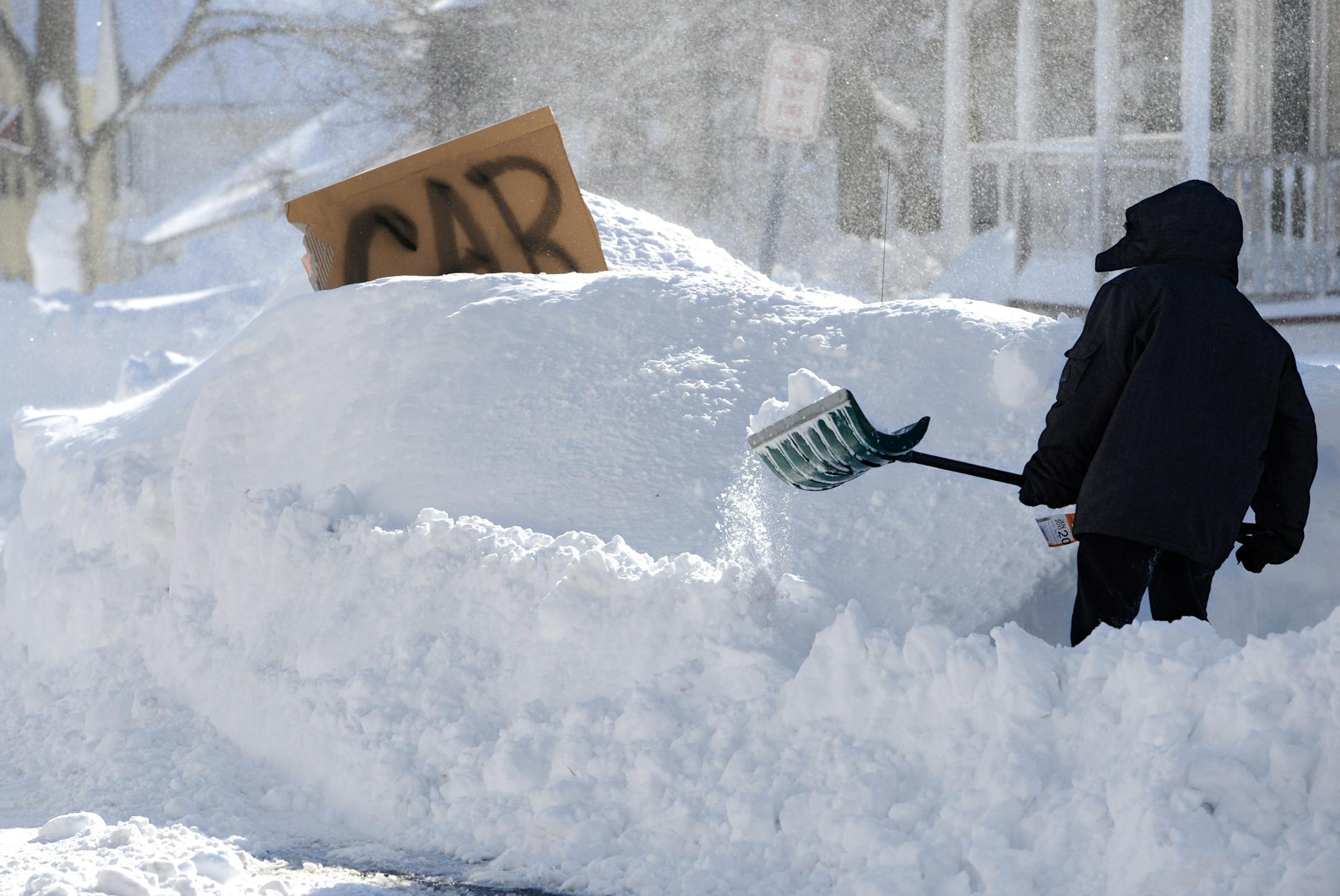
Then, when a whopper of a blizzard smacked the Northeast with more than 2 feet of snow in some places earlier this month, some of the same people again blamed global warming.
How can that be? It's been a joke among skeptics, pointing to what seems to be a brazen contradiction.
But the answer lies in atmospheric physics. A warmer atmosphere can hold, and dump, more moisture, snow experts say. And two soon-to-be-published studies demonstrate how there can be more giant blizzards yet less snow overall each year. Projections are that that's likely to continue with manmade global warming.
Consider:
_ The United States has been walloped by twice as many of the most extreme snowstorms in the past 50 years than in the previous 60 years, according to an upcoming study on extreme weather by leading federal and university climate scientists. This also fits with a dramatic upward trend in extreme winter precipitation — both rain and snow — in the Northeastern U.S. charted by the National Climatic Data Center.
_ Yet the Global Snow Lab at Rutgers University says spring snow cover in the Northern Hemisphere has shrunk on average by 1 million square miles in the past 45 years.
_ And an upcoming study in the Journal of Climate says computer models predict annual global snowfall to shrink by more than a foot in the next 50 years. The study's author said most people live in parts of the United States that are likely to see annual snowfall drop between 30 percent and 70 percent by the end of the century.


