

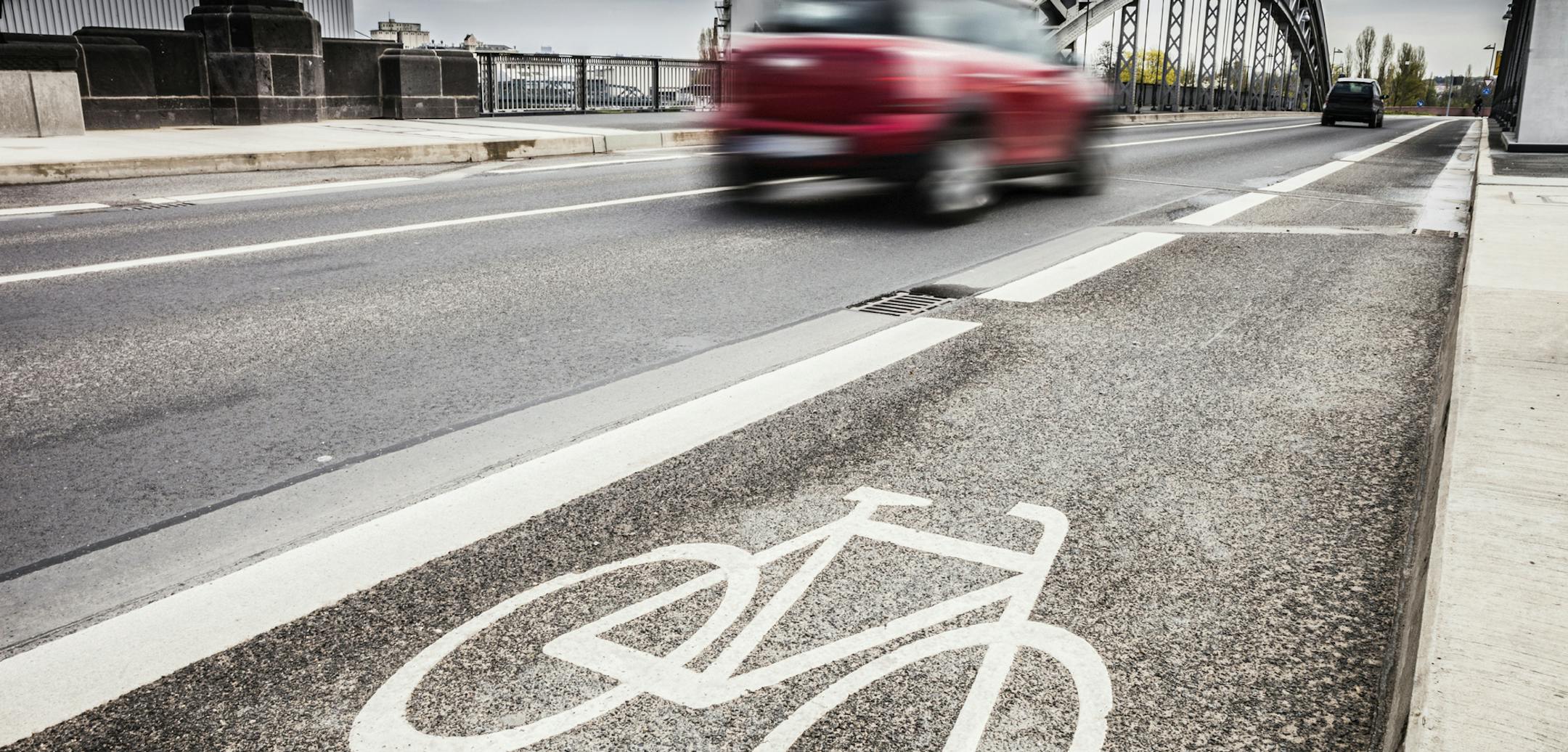
On a recent rainy Friday, I suited up in my bright yellow rain jacket and pants and rode to my workplace, just 5 miles from home. Despite there being bike lanes the entire distance, not a single biker did I encounter. What's with that?
What I did see roll by were Outbacks, Highlanders, Santa Fes, Tahoes and even a Range Rover. Rugged, outdoorsy-sounding vehicles, but relative to a bicycle, pretty posh rides that kept their passengers cocooned from the great outdoors.
I find it disturbing that many of my "progressive" friends, who claim to be concerned about global climate change, haven't really changed their lifestyles all that much. Air traffic is at an all-time high, and with the recent downturn in gas prices, SUVs and trucks have been selling like mad.
Certainly, not all of these big carbon consumers are climate-change doubters or libertarians who believe in letting the "magic of the markets" correct all things in due time. Many are progressives who haven't yet adapted their lifestyles.
Why aren't more of us walking or biking to work, school, church, the post office or the grocery store?
Partly, it might be that we live so far away from such places and that we have become dependent on cheap, personalized transit. Perhaps an even bigger factor is the lack of incentives. Why would one choose to brave the elements, walk, take a bus or light rail when it is cheap and most often faster to jump in a truck or a car?
For change to occur, the pain of staying the same has to be greater than the pain of change. Right now, with gas prices so low, there is little pain in filling up. I'm quite sure that if we assessed gas the way our neighbors over in Europe do, with prices two or even three times higher than ours, we would see rapid changes in behavior. Simply knowing what is good for our environment and our health clearly isn't enough motivation.
A big problem with our current economy is that we don't factor in the environmental cost of our purchases. Change will more rapidly occur when we start charging a carbon tax for airline and automobile travel. Looking long-term, this seems to make a lot of sense, doesn't it?


