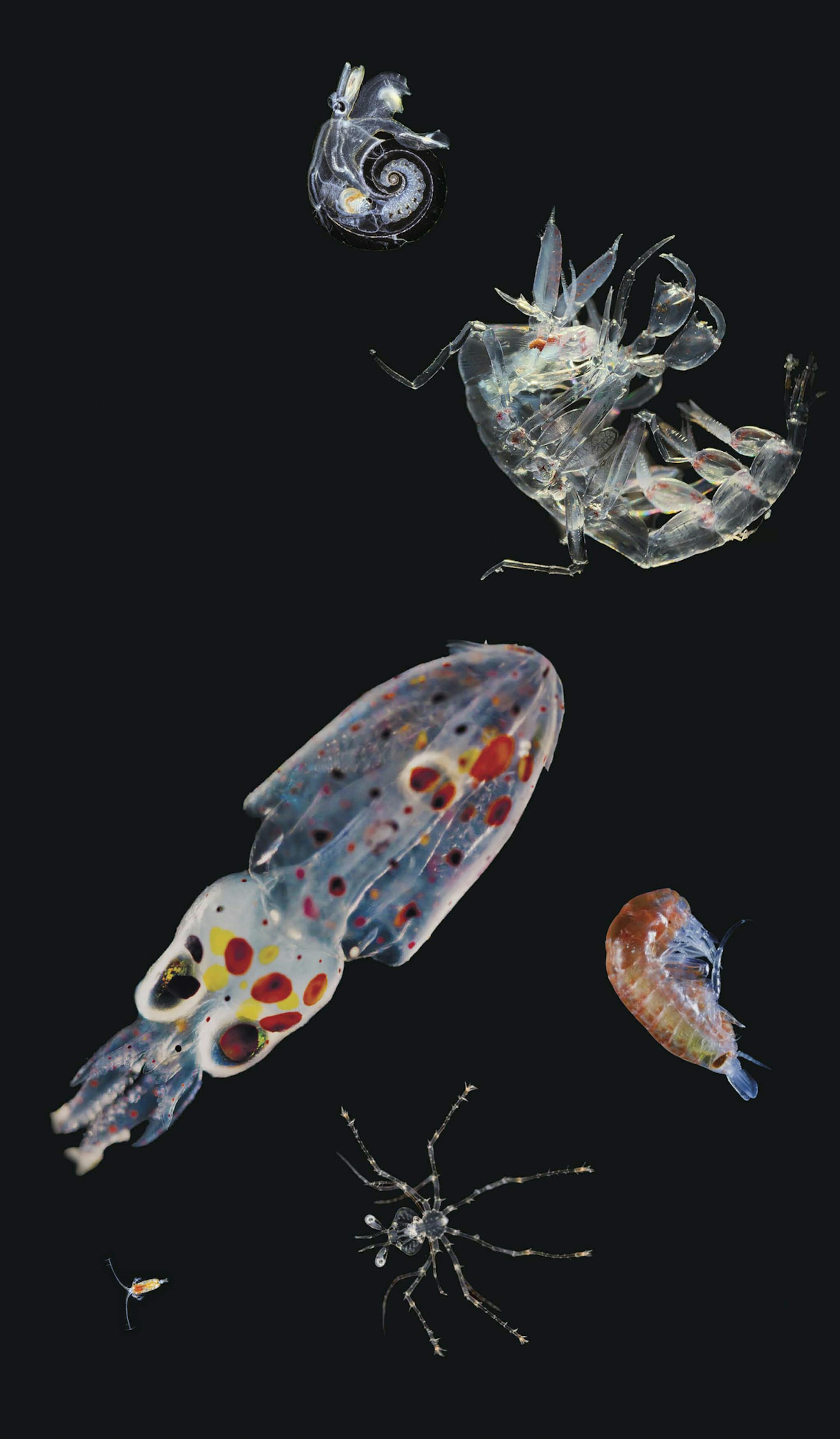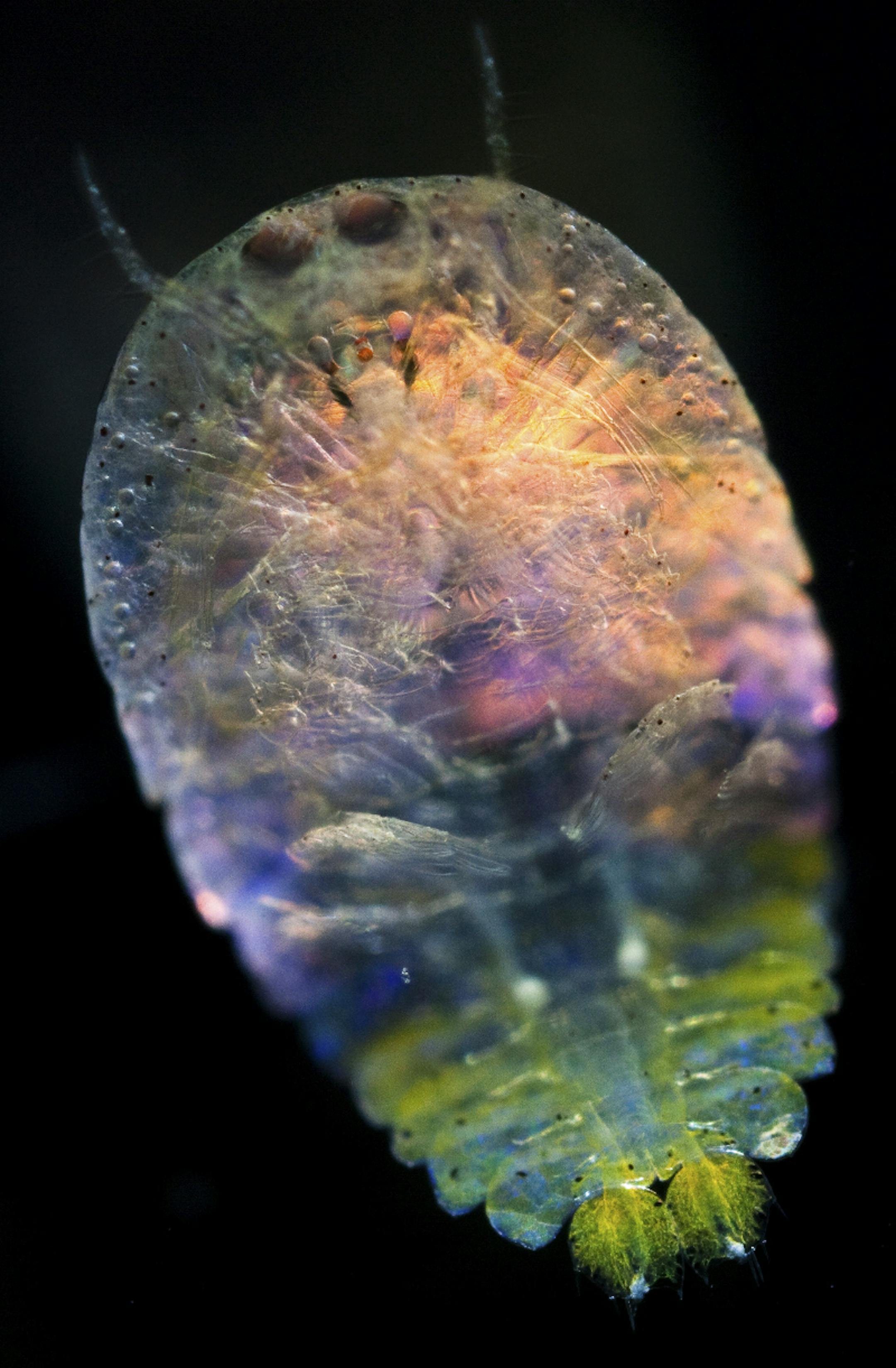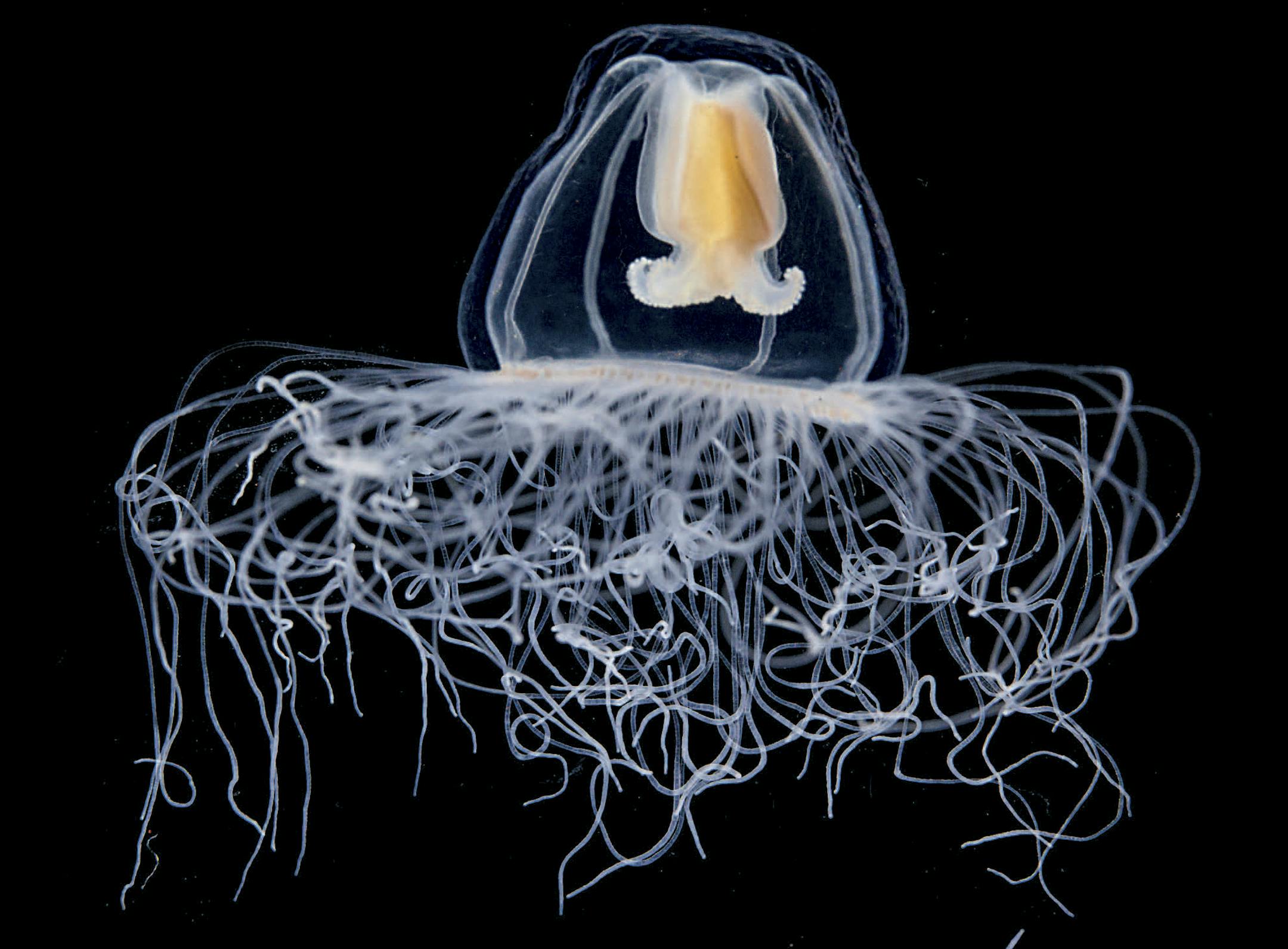
Climate change scientists have known for years that rising temperatures affect sea creatures, from the biggest fish to the microscopic plankton at the base of the ocean food chain. Now, a four-year expedition that sampled microbes from across the world's oceans is bringing the mechanisms of that change into focus. These tiny creatures (seen amazingly close up above and below), which may be among the oldest on Earth, together absorb carbon dioxide, make oxygen, break down waste and nourish other creatures. And they are profoundly affected by water temperature, according to a series of five studies published in Science about the voyage of the schooner Tara.
"Temperature is the most important environmental factor determining the composition of these communities," said Chris Bowler, an author on all five studies and a genomics expert with the Department of Biology of the École Normale Supérieure and the National Center for Scientific Research in France.
"This would imply that climate change, warming of the oceans, is going to have a strong impact on these organisms and the functions these organisms perform for the well-being of our planet," Bowler said.
The Tara expedition's findings, researchers said, have added an order of magnitude to what we know of the Tree of Life, vastly expanding its base. The microbes studied range from viruses and bacteria too small to see under a microscope to the single-celled amoebas or paramecia that children study in biology classes.
Research on the diversity of these creatures was virtually impossible until a few years ago, with the advent of relatively quick and affordable genetic analysis, said Stephen Palumbi, a Stanford University marine biologist who was not involved in the Tara studies but wrote a commentary that accompanied them.
Until about 50 years ago, scientists did not even realize that the specks they saw when they examined seawater under a microscope were alive, he said. The new research showed that these microbes are in a constant dance with one another, collaborating and battling just below the water's surface. Their interactions keep the ecosystem in balance, preventing any one species from dominating the seas.
"A lot of what we didn't really ever see before in the ocean are predators and parasites, zombies and vampires that are floating through this incredible set of diversity, battling it out," Palumbi said. "All these tiny little critters add up to something that is really a part of the way our planet operates."
The vast genetic diversity of the oceans impressed many of the scientists involved in the project, a consortium that involved 18 institutions. The researchers identified roughly 40 million genes in the upper layers of the world's oceans. The human gut microbiome, in comparison, is known to have only about 10 million genes, said Shinichi Sunagawa of the European Molecular Biology Lab in Heidelberg, Germany, who was a first author on one of the papers.