

There's a toxic stew brewing in the American political bloodstream this year. It's bubbling up on both sides and not just in a presidential race that is shaping up as one of the more venomous in this nation's history.
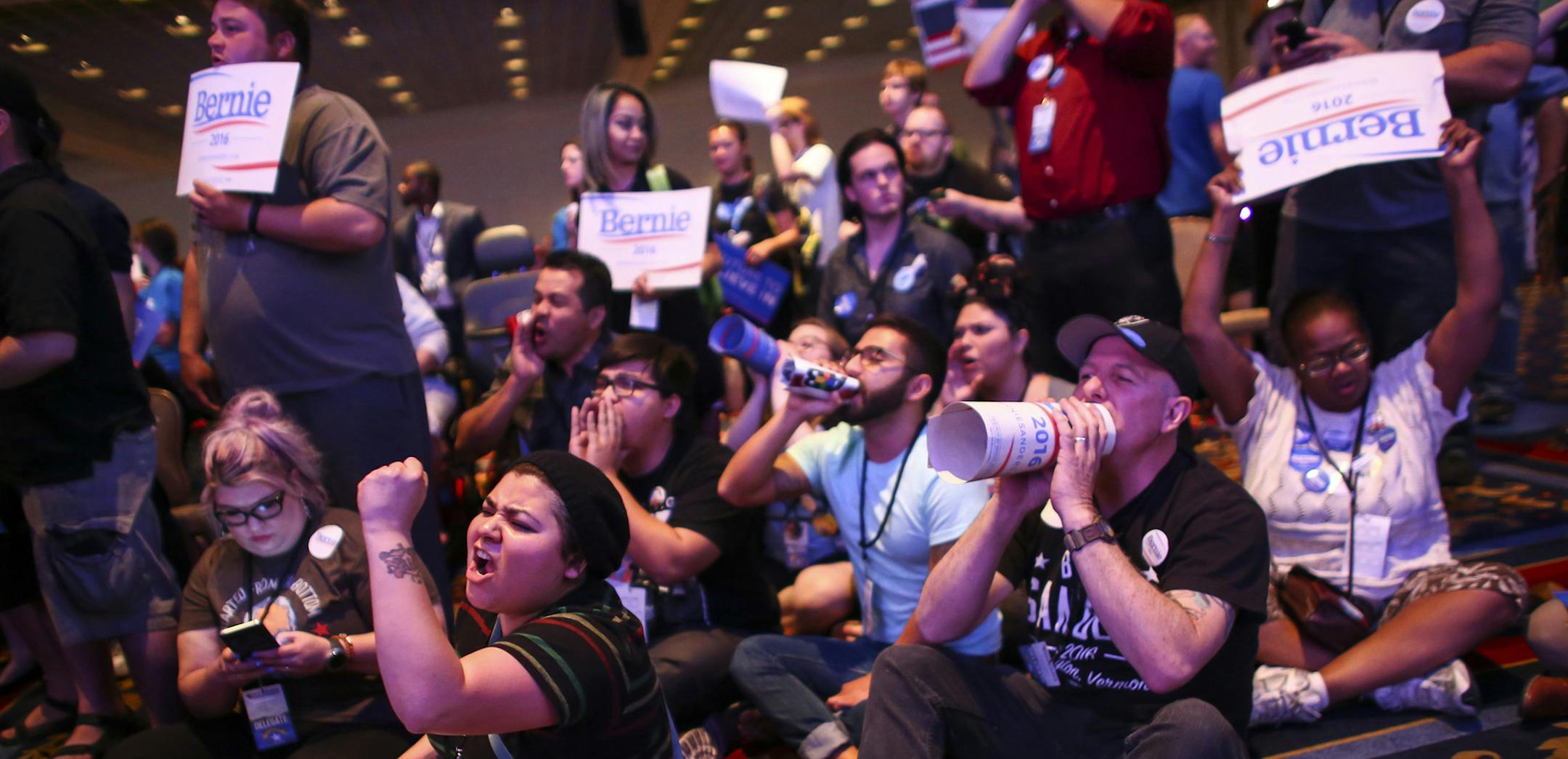
A protest in Albuquerque, N.M., at a Donald Trump rally this week quickly turned into a riot, with flaming T-shirts and plastic bottles hurled at police and rocks tossed at police horses. Inside, the ever-pugnacious Trump stoked the ire, taunting protesters to "Go home to mommy." A Democratic convention in Nevada recently ended with supporters of presidential candidate Bernie Sanders shutting that event down amid screaming and profanity, followed by days of threatening phone calls and texts to the convention chairwoman.
In Minneapolis this week, Mayor Betsy Hodges was cornered by protesters at a talk she was giving on equity. Protesters shouted her down, strode onto the stage and edged within inches of the mayor, grabbing her microphone before police finally escorted them out. Similar protests have disrupted Minneapolis Park and Recreation Board and school board meetings.
Every one of those protesters doubtless believe their cause just, and the frustration is, in some instances, understandable. Nevertheless, they are indicative of a troubling trend: Americans who have decided their issues and feelings are so important they override the need to behave within acceptable bounds.
Democracy has proved to be an audacious but durable experiment in self-governance, much copied across the world since its birth in this country more than two centuries ago. But it does rest on a few pillars. One of those is that the self-governed must forgo violence and intimidation as a means of achieving their ends. The peaceful passage of power, whether at the smallest local school board or with the presidency itself, is foundational to our way of government, and it rests on the willingness of some citizens to take on responsibilities that most would rather not.
Effecting change in this system is hard, and it's meant to be. It's much harder than just shouting down someone you disagree with, or setting fire to a plastic bottle and pitching it at someone. It takes organizing, persuading and persistence.
There are groups across this country doing that hard work of civic engagement. Some of them met in Minneapolis earlier this week, searching for new ways to get underrepresented Americans engaged in the system, to find positive ways to make that system work for everyone. They take their victories where they can and press on.
They know the path to change that improves lives is not violence and intimidation, but numbers. If everyone who grumbled about Trump turned out at GOP primaries, he would not be the presumptive nominee. If low-income voters were as reliable a bloc as seniors, their voices would ring louder.


