
Choice of Alatus for Arden Hills munitions site makeover a surprise

Alatus' partnership with Tradition Development, focus on "town center," helped it win land deal.

May 4, 2016 at 2:52AM
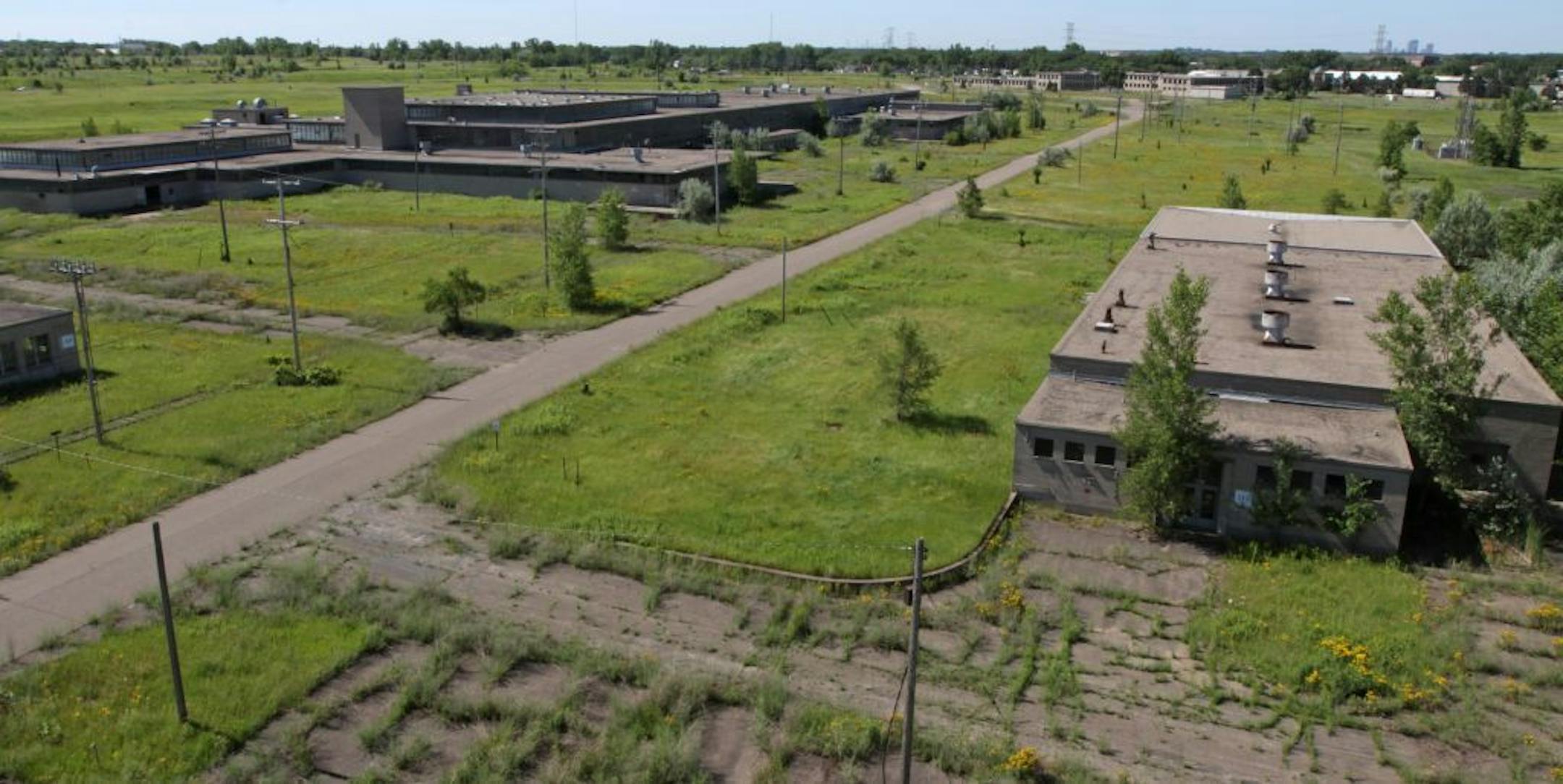
Minneapolis developer Alatus was chosen to lead the redevelopment of the biggest empty property available in the Twin Cities: the former site of the Twin Cities Army Ammunition Plant in Arden Hills. 2011 file photo shows factory buildings on the more than 400-acre site.
Minneapolis developer Alatus was chosen to lead the redevelopment of the biggest empty property available in the Twin Cities: the former site of the Twin Cities Army Ammunition Plant in Arden Hills. 2011 file photo shows factory buildings on the more than 400-acre site. (Star Tribune/The Minnesota Star Tribune)

At first glance, the selection of Alatus LLC as master developer for the 427-acre former munitions plant site in Arden Hills was a surprise.

The Minneapolis-based developer has less experience with large-scale, mixed-use projects than the firms it was competing against — Ryan Cos. and Opus Development — for a makeover of the biggest piece of property now available in the metro area, which is also a former Superfund site.

But Alatus' housing partner, Tradition Development, is known as a high-touch firm focused on creating residential developments that are more locally authentic. And that helped persuade the Joint Development Authority of Arden Hills and Ramsey County to pick Alatus.

The decision was announced late Monday. Development is expected to begin late next year or in early 2018.

Bob Lux, principal at Alatus, said in a statement that the company is honored to have been selected and "the timing of this project is ideal given the current economic climate and housing market."

A memo written by the staff of the Joint Development Authority cited several aspects of Alatus' approach as different from that of both Ryan and Opus — most of which are typical of Alatus' development style.

Alatus promised to construct the "town center" element in phase one, alongside the single-family home component.

"Getting the town center right early was important to the other components of the site including single family residential and the attraction of major corporate user," Alatus said in its proposal, according to the staff memo that cited it as a factor.
Opus and its residential developer partner Pulte Homes, proposed waiting on the town center until a second phase of development. Ryan and its residential partner, Lennar Corp., were even more cautious and did not commit to a time frame for it.

The proposals from Ryan and Opus were structured as a partnership between the master developer and its housing partner, while Alatus is acting as a true master developer with a hierarchy of partners and a dependency on consultants, the staff memo also said.

Spirit of Brandtjen Farm, a large development that Tradition helped build in Lakeville, was one of the models Arden Hills relied on to set its expectations. In that project, Tradition renovated an existing barn structure into a community space, which the memo pointed to as a good use of "unique characteristics of existing site features". Homes by Tradition in the neighborhood are advertised to start at $650,000.

Alatus has a track record of tackling challenging projects. The company is trying to move forward with a 40-story tower on Central Avenue in Minneapolis, although it suffered a setback in a Preservation Commission vote Tuesday. Other developers are leery about the potential for costly litigation that sometimes comes with condo projects in Minnesota.

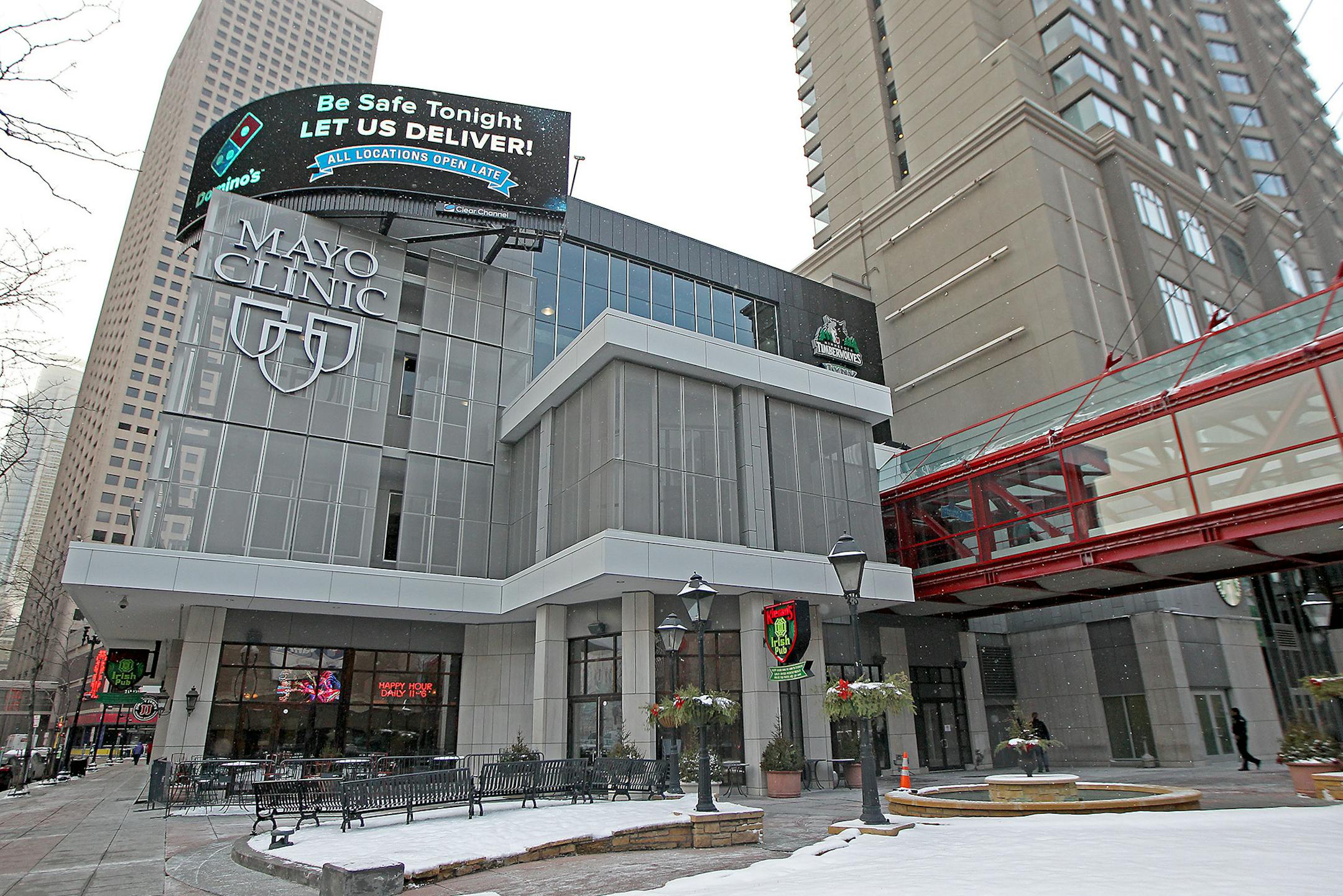
Alatus also stepped in to remake the Block E building in downtown Minneapolis, turning a struggling movie theater and retail building into the near fully-leased Mayo Clinic Square. Alatus is also building single-family houses and townhouses at Parkside at Humboldt Greenway on the city's North Side, an area where house prices have been slow to recover. The project brings the first unsubsidized, market-rate houses to the area for the first time in several decades.

Ryan grabbed headlines for the last three years as lead developer of the Downtown East project next to U.S. Bank Stadium. Opus developed several downtown Minneapolis office buildings and high-rise apartment complexes in recent years and is currently leading development of the Seven Corners Hardware site in St. Paul.

Since the housing crash, new-home buyers have expressed a clear preference for homesites in proximity to downtown Minneapolis and St. Paul, and within easy driving distance of shops and amenities.

But with most of the first- and second-ring suburbs being fully developed, redevelopment sites like the one in Arden Hills are becoming more attractive. None are as large as the one in Arden Hills, which offers the promise of a steady supply of building sites for several years at a time when demand for new housing has posted its strongest postrecession surge.

Staff Writer Jim Buchta contributed to this report.

Kristen Leigh Painter • 612-673-4767

Minneapolis-based RSP, the architects for the Block E renovation, opted for materials and a formal arrangement that reflect 21st-century Minnesota. The area is now known as Mayo Clinic Square.
Mayo Clinic Square, across from Target Center in downtown Minneapolis, was redeveloped by Alatus. The former site of a movie theater and small shopping mall is now home to a sports clinic, the practice facility of the Lynx and Timberwolves and several restaurants. (Star Tribune/The Minnesota Star Tribune)
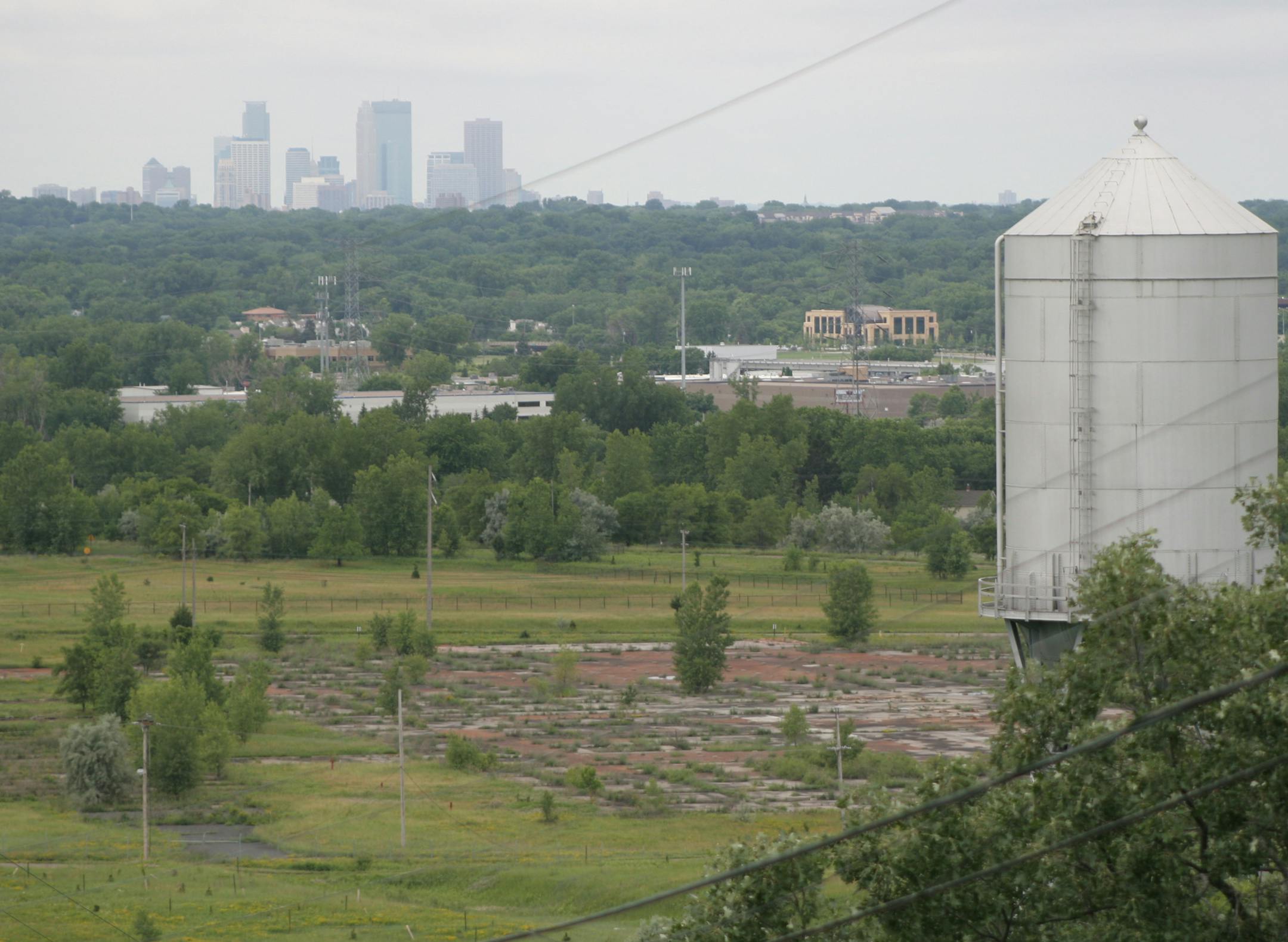
The TCAAP site, photographed in 2010 from the top of the Kame, a former reservoir that is the highest point in Ramsey County.
Alatus LLC was chosen to develop the 427-acre former munitions plant site in Arden Hills. The Minneapolis-based company’s housing partner is Tradition Development, known for creating residential developments that appear locally authentic. (The Minnesota Star Tribune)
about the writer

about the writer

Kristen Leigh Painter

Business Editor

Kristen Leigh Painter is the business editor.

See Moreicon