
China's Xi expands his control

He unveiled superagencies to tackle three major potential threats to popular support for Communist Party rule: financial recklessness, environmental pollution and official ­corruption.

The New York Times
March 14, 2018 at 12:47AM
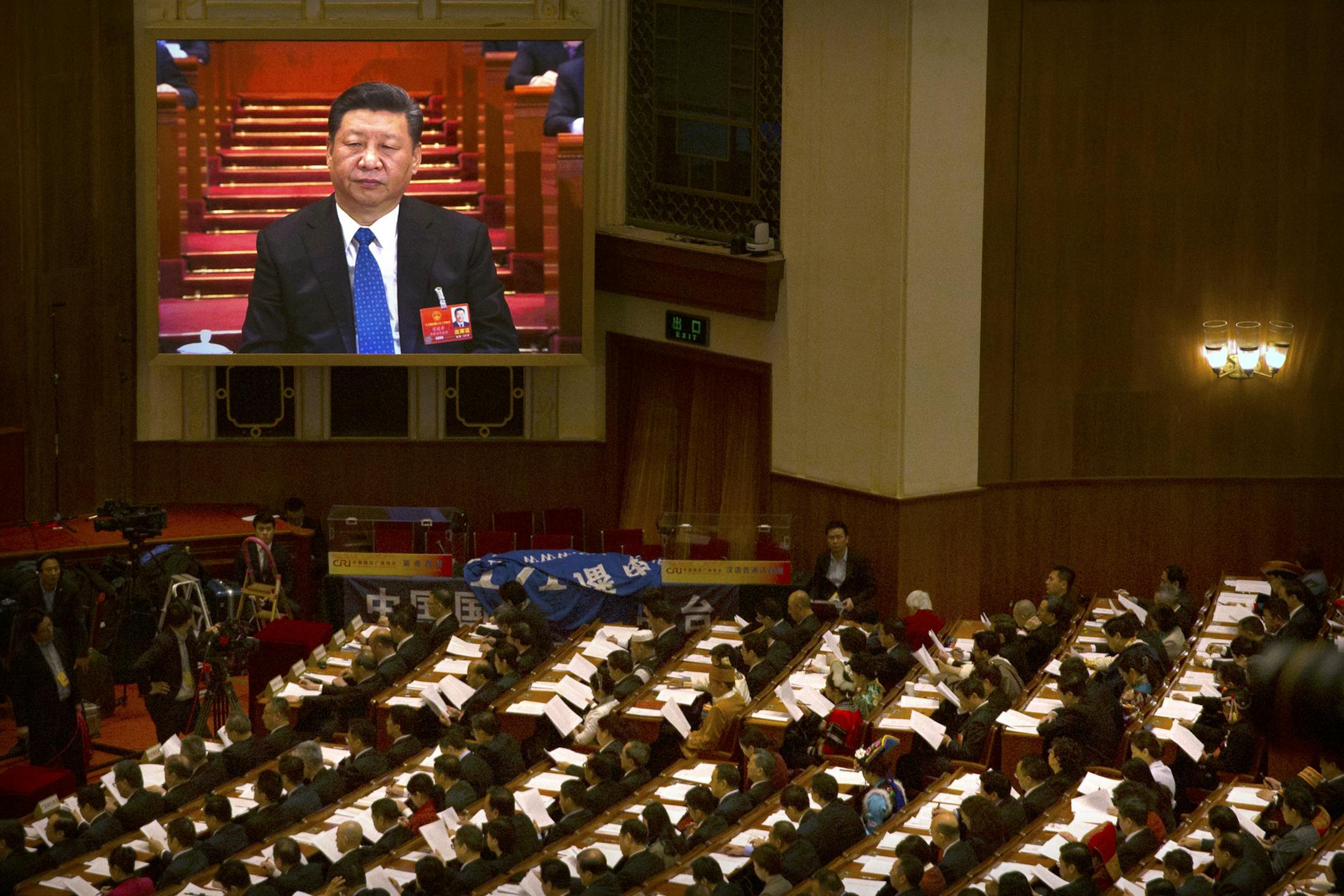
Chinese President Xi Jinping appears on a large screen as delegates read a work report during a plenary session of China's National People's Congress (NPC) in Beijing, Tuesday, March 13, 2018. Chinese President Xi Jinping's anti-corruption campaign stands to gain a major boost as the ceremonial legislature moves to establish a powerful new agency with authority over vast numbers of workers in the public sector. (AP Photo/Mark Schiefelbein)
Chinese President Xi Jinping appears on a large screen as delegates read a work report during a plenary session of China’s National People’s Congress (NPC) in Beijing, Tuesday, March 13, 2018. Chinese President Xi Jinping’s anti-corruption campaign stands to gain a major boost as the ceremonial legislature moves to establish a powerful new agency with authority over vast numbers of workers in the public sector. (AP Photo/Mark Schiefelbein) (The Minnesota Star Tribune)

BEIJING – Days after China's president, Xi Jinping, consolidated his position as national leader, he moved to extend his control Tuesday by unveiling new superagencies to tackle three major potential threats to popular support for Communist Party rule: financial recklessness, environmental pollution and official ­corruption.

The plan for reorganizing the government, released to the national legislature in Beijing, would shake up some of China's most powerful bureaucracies by gathering powers that had been scattered across multiple regulatory agencies into a few new, stronger entities.

It would create two enlarged ministries for protecting the environment and managing natural resources, as well as a new financial regulator spanning banking and insurance. A separate draft law would create a new anti-corruption agency with greater reach than the current one, which is run by the Communist Party.

With the announcements, Xi is moving to strengthen his authoritarian leadership over the entrenched cadres and vested interests that his allies have blamed for frustrating reforms he promised in 2013, a year after taking power. Xi has pushed for firmer action to control rising corporate and state debt, and to cut the smog and water pollution that have caused widespread fear and anger about public health.

But there are many uncertainties about how the government revamp will work, and whether it can actually achieve its goals. Critics have said imposing top-down party control may backfire by deterring officials from acting creatively to fight pollution.

Responsibilities for protecting the environment will now come under a new Ministry of Ecological Environment.
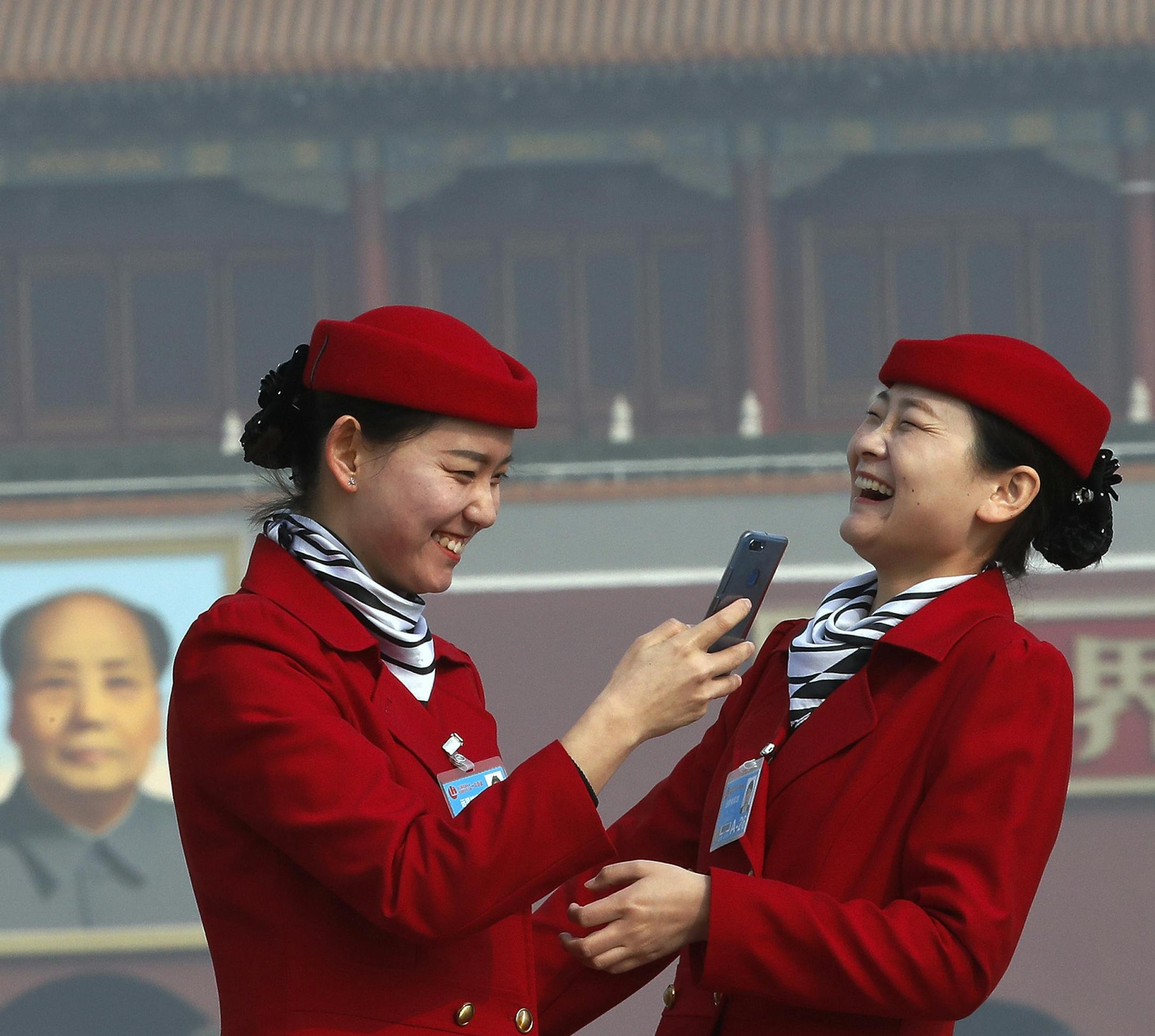
Hospitality staff members have a light moment as they take souvenir pictures on Tiananmen Square during a plenary session of China's National People's Congress (NPC) at the Great Hall of the People in Beijing, Tuesday, March 13, 2018. (AP Photo/Andy Wong)
Hospitality staff members outside the National People’s Congress meeting at the Great Hall of the People in Beijing Tuesday. (The Minnesota Star Tribune)
about the writer

about the writer

More from No Section

See More
FILE -- A rent deposit slot at an apartment complex in Tucker, Ga., on July 21, 2020. As an eviction crisis has seemed increasingly likely this summer, everyone in the housing market has made the same plea to Washington: Send money — lots of it — that would keep renters in their homes and landlords afloat. (Melissa Golden/The New York Times) ORG XMIT: XNYT58
Melissa Golden/The New York Times

It’s too soon to tell how much the immigration crackdown is to blame.