

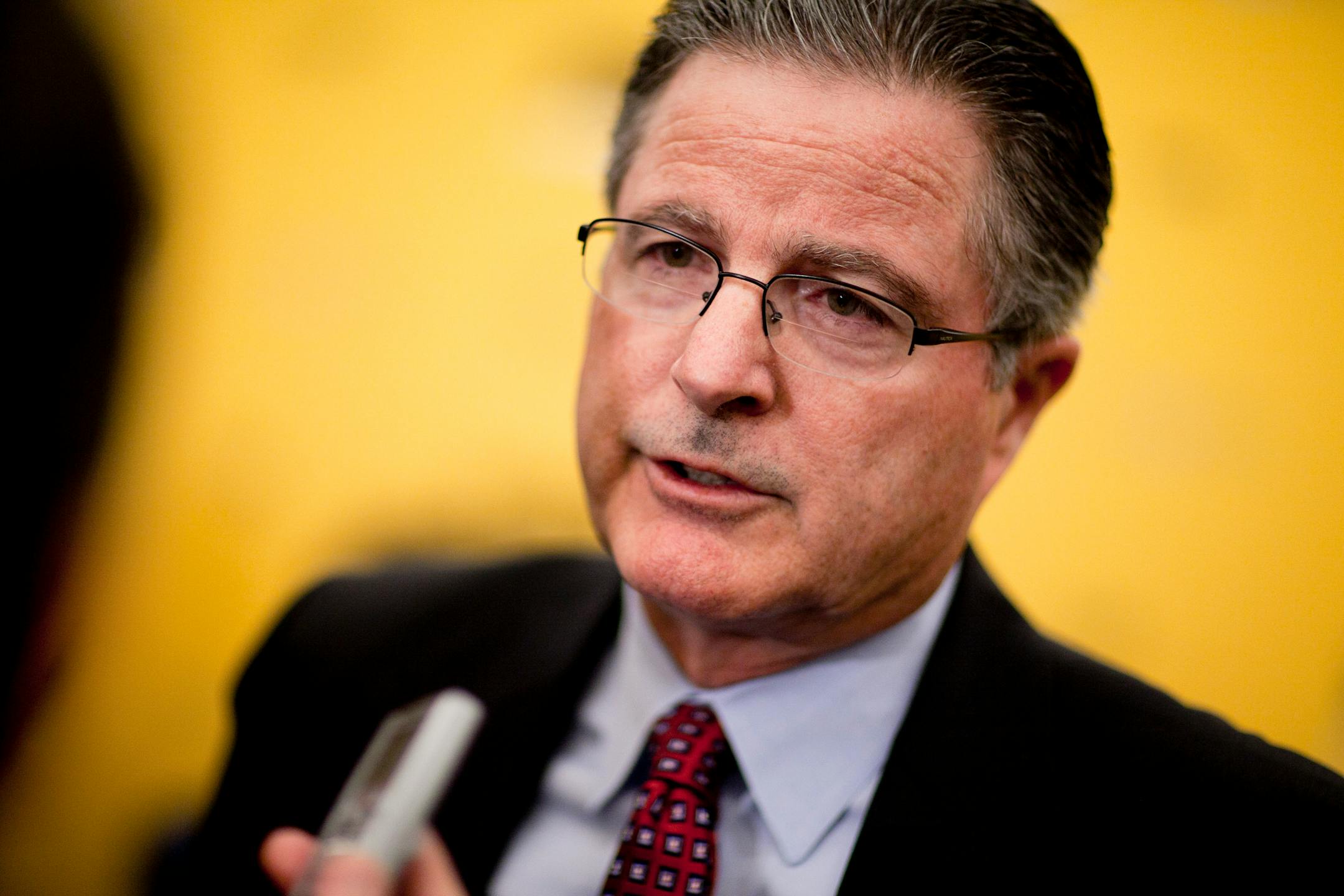
Chevron CEO John Watson gave a speech on Tuesday to the Economic Club of Minnesota, and while I was able to drop in to hear it, I didn't get a chance to write a story.
I recorded the speech, however, and two question and answer sessions – one where Watson took audience questions, and then another where he briefly took reporter questions after the lunch.
He covered a lot of ground -- addressing political crises in Russia and the Middle East, arguing for more natural gas pipelines, and giving general thoughts about the future of oil prices. He slammed California's cap and trade scheme, explained why Chevron does not have a commercial biofuels plant, and argued that the U.S. should allow crude oil exports.
I've transcribed most of the questions and answers here. They're not in perfect chronological order, the better to group similar questions together.
I have noted which questions came from the audience, and which from reporters. The only question I asked was the one about what Chevron can do to help curb greenhouse gas emissions.
(Audience) How are you navigating the growing conflict with Russia?
"One of the benefits of being an American company is we do everything we can to not be political. Chevron gets business around the world, I'm sure many of the companies here get their business because when we go into countries around the world, they know that we're commercial-based. And we are going to, in my business, try to develop the resources and not be political. I work really hard to stay out of the politics of these individual issues. My general view on the subject is that sanctions as a blunt policy tool are pretty difficult to put into place. If you look around the world, Chevron has been subject to sanctions in Myanmar, South Africa, Angola and others. It's very difficult, unless you get everyone to participate. With U.S. companies becoming more and more international, and the world becoming more and more integrated, sanctions are very difficult to put in place. My expectations are that Russia will continue to be a major oil producer. The sanctions that have been put in place recently may impact future developments, but these developments take a great deal of time."
(Audience) Can you comment on the policy implications of the rise of the Islamic State and instability in North Africa and Nigeria?


