

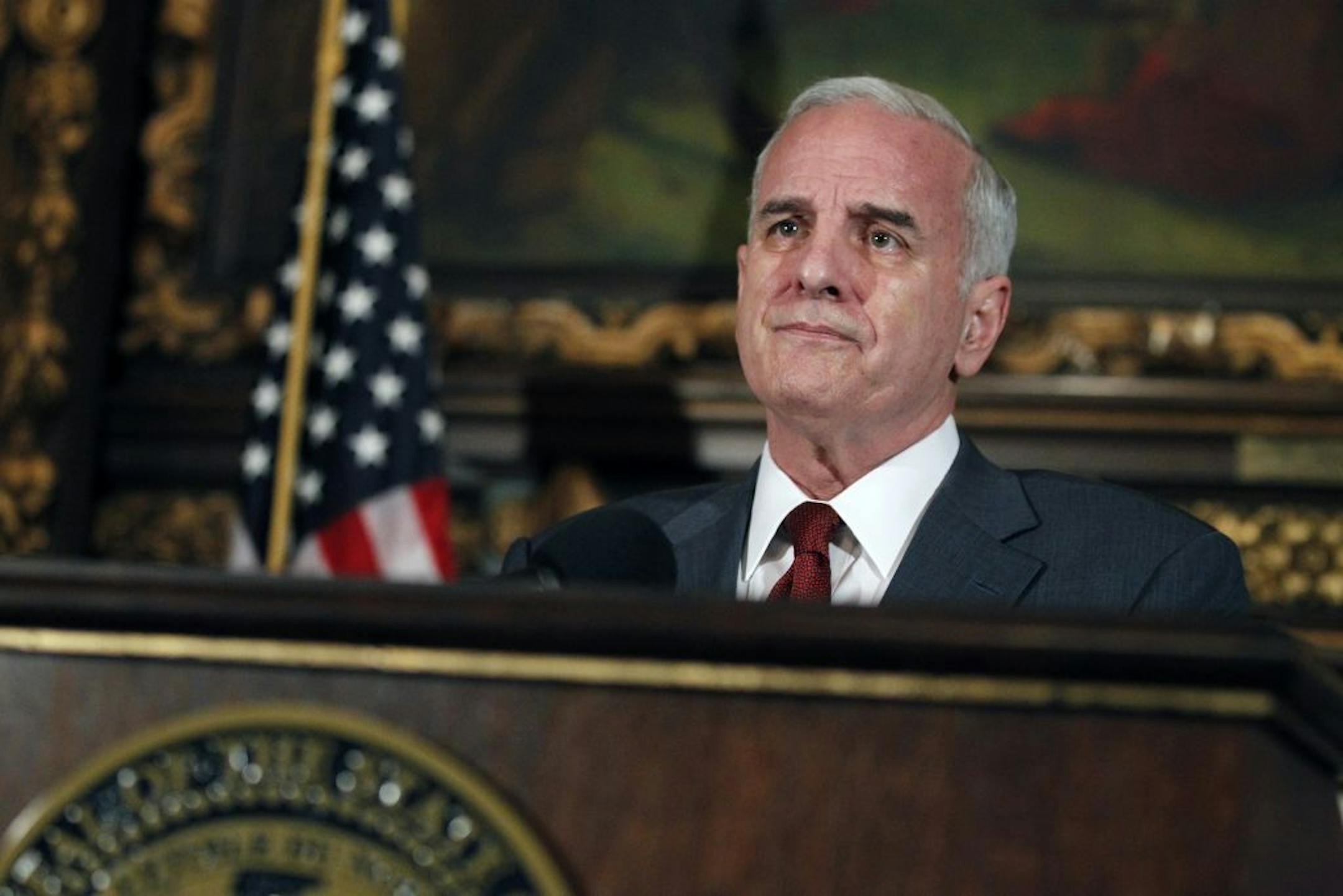
After vetoing the Republican budget, voter ID and two abortion bills in the days following session, Gov. Mark Dayton set his sights Friday on coal and cheeseburgers.
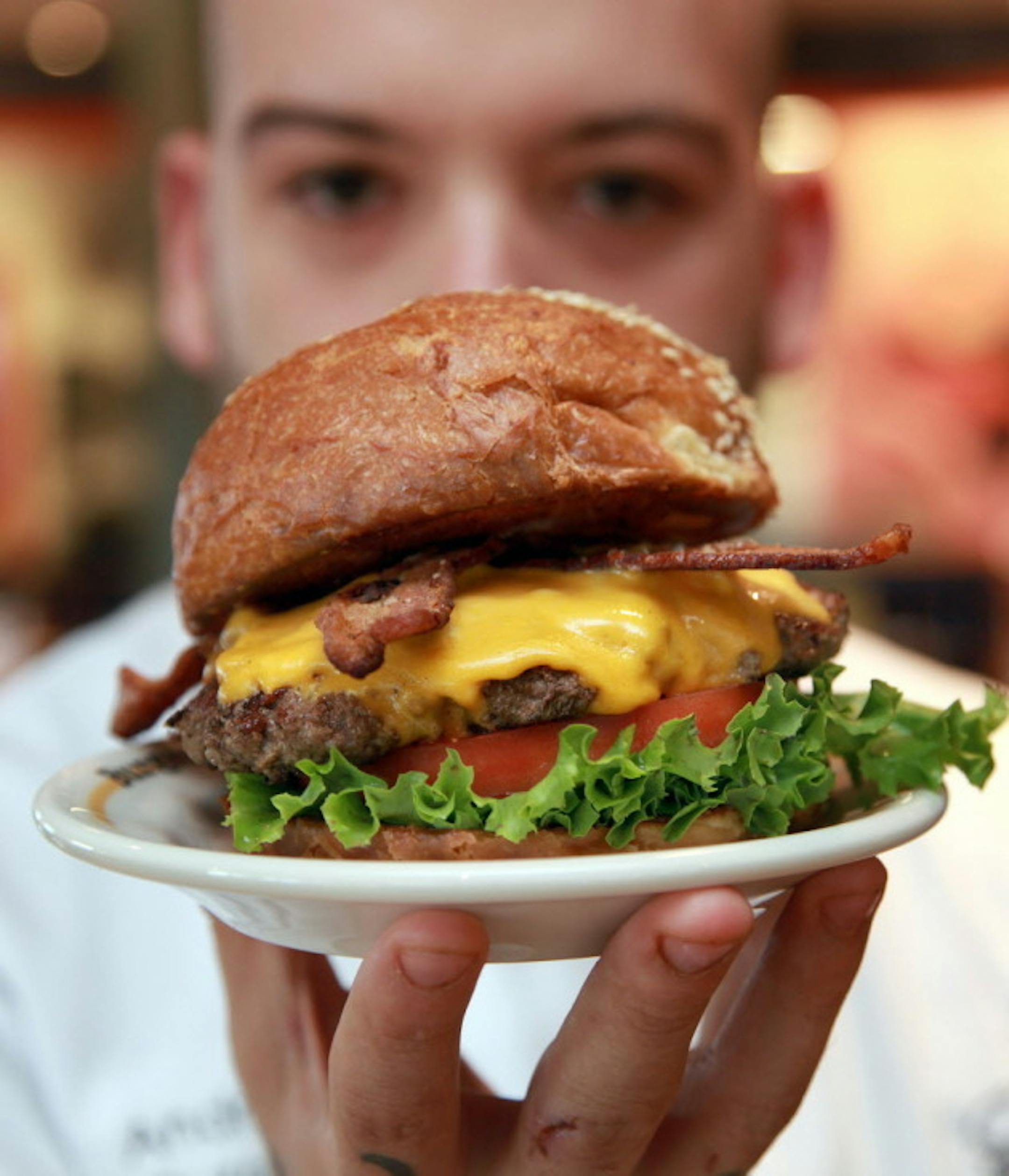
Dayton slapped down the perennial "cheeseburger bill," which gives food companies civil immunity if consumers gain weight consuming their products. It stems partly from a 2002 New York lawsuit in which teenagers sued McDonalds for making them fat.
The governor said he agreed with the bill's "intent to hold individuals responsible for their own dietary choices." But he disagreed with language allowing people to sue over weight gain if the company committed a "knowing and willful" violation of state or federal law.
Dayton said those two words create "too broad an exemption from liability."
Additionally, Dayton vetoed legislation that would have allowed the state to generate or import up to 1,500 megawatts of coal-fired power. The bill originally would have lifted a defacto moratorium on building coal plants in Minnesota, but Republican backers scaled it back to improve its chances of becoming law.
The governor said new coal power is expensive, unhealthy and unecessary. He noted that utilities say Minnesota does not currently need more baseload power.
"Low cost fuel sources help keep electricity costs affordable and with gas prices near $4 per gallon and home prices falling, Gov. Mark Dayton's veto is compounding Minnesotan's economic woes," responded Senate Majority Leader Amy Koch, R-Buffalo.
Dayton also signed 22 bills into law Friday, most of which were benign and passed with broad bipartisan support. One allows a the state to import energy from a coal plant in Jamestown, North Dakota. Another creates new guidelines for youth athlete concussions.


