

Death, the ultimate indignity, is redeemed a little whenever a person is able to decide how to meet the inevitable — or so many of us seem to feel.
Whether to let go at some point, declining the wholesale medicalization of one's final days — or to fight to the last, pursuing every possible reprieve: The choice, when fate allows it, can be one last expression of autonomy and individuality.
Yet how far to endorse end-of-life freedoms confronts society with quandaries and worries — as a flurry of recent news stories about liberty and death reminds us.
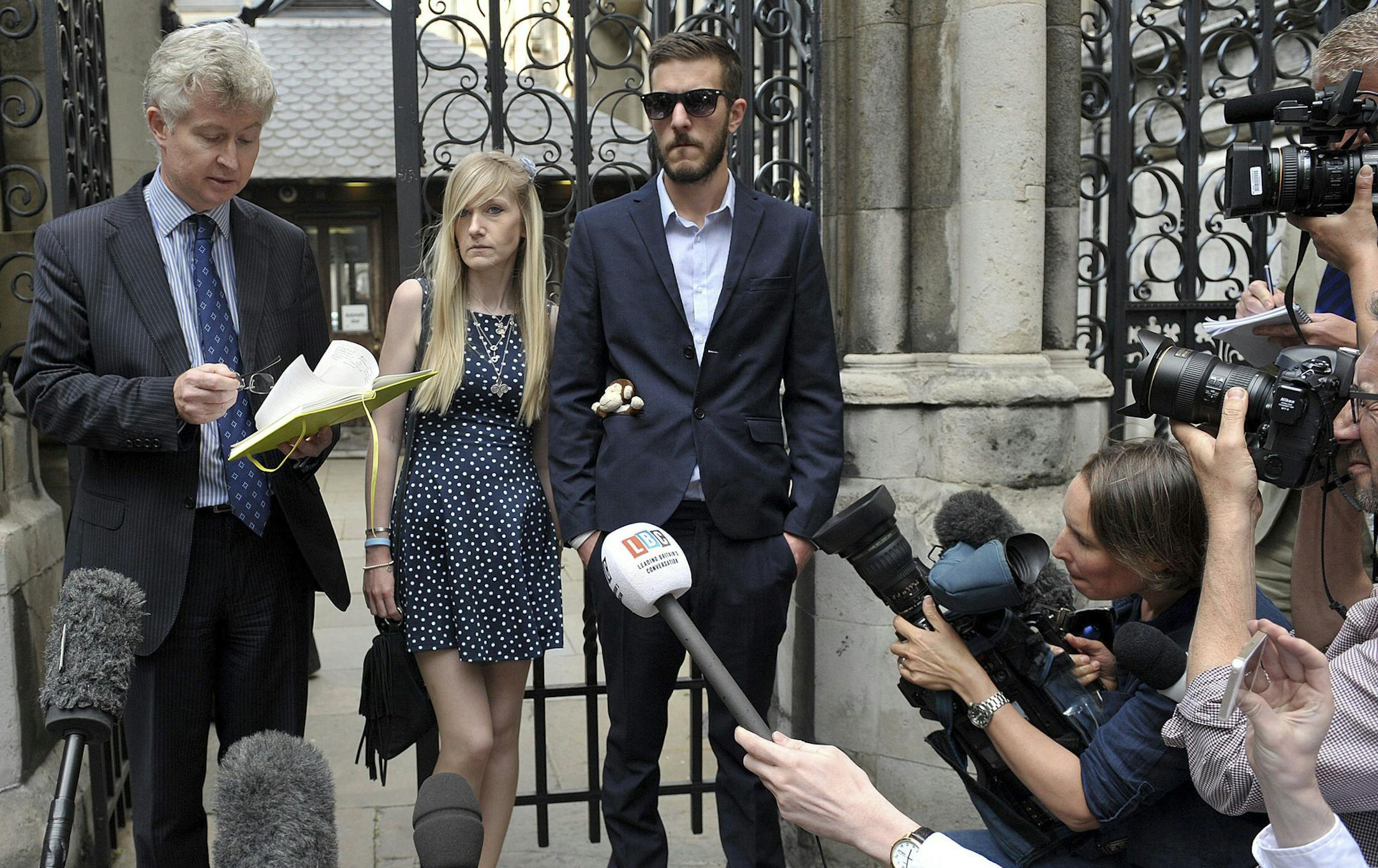
In London, a stricken baby boy has become a heartbreaking global celebrity as defiant parents and unyielding British legal and health systems battle over whether Charlie Gard's improbable fight for life should continue.
In California, officials last month released the first report under the state's 2015 assisted-suicide law, detailing how many sufferers, and of what kind, have sought society's help to end their struggles.
And in Washington, D.C., advocates are pushing federal "right-to-try" legislation similar to laws recently enacted in 37 states, including Minnesota, that force unyielding regulators to step aside and let the dying try unproven treatments if they choose.
Little Charlie's plight raises not just an end-of-life dilemma but the issue of incapacity in a particularly cruel form. Nothing can be known about an infant's wishes — no one remembers his once saying he would never want to be put on a machine. Adults must decide, and Charlie's parents adamantly desire to bring him to America for long-shot experimental treatment; his doctors, insisting that only additional suffering can result and that it is time to let Charlie die with dignity, have gone to court and so far blocked the parents' plans.
Charlie's parents may well be misguided about what's best for him. There's no reason to doubt that all concerned have the child's well-being at heart. But to American ears, it just sounds strange that physicians and judges can forbid parents from trying to save their own child's life — especially when Charlie's parents have raised some $1.7 million in private donations to pay for treatment.


