

More than 100 American Indian women, men and children had plenty to talk about when they gathered in an upstairs office on Plymouth Avenue in Minneapolis on July 28, 1968:
Mistreatment by police, judges and landlords. Longstanding treaty violations. A staggering dropout rate among Indian youth from the public schools.
The meeting was called by Dennis Banks, George Mitchell, Harold Goodsky, Annette Oshie, Florence Holmes and Clyde Bellecourt.
Bellecourt, then employed as an engineer at a power plant, was elected chair of the new organization that became the American Indian Movement.
Soon, AIM chapters sprouted in cities and reservations across the United States. The group earned worldwide attention for its 1972 occupation of the Bureau of Indian Affairs headquarters in Washington and the 1973 armed standoff at Wounded Knee, S.D. Its role in establishing several enduring Indian-focused institutions is less well-known.
Now, 43 years after AIM's first meeting, some of the old guard and others who embrace its legacy want to create an interpretive center to tell the movement's story.
"If we don't tell it, Garrison Keillor or some other non-Indian will tell it," says Bellecourt, 75, with a smile, admitting he has nothing against Keillor.
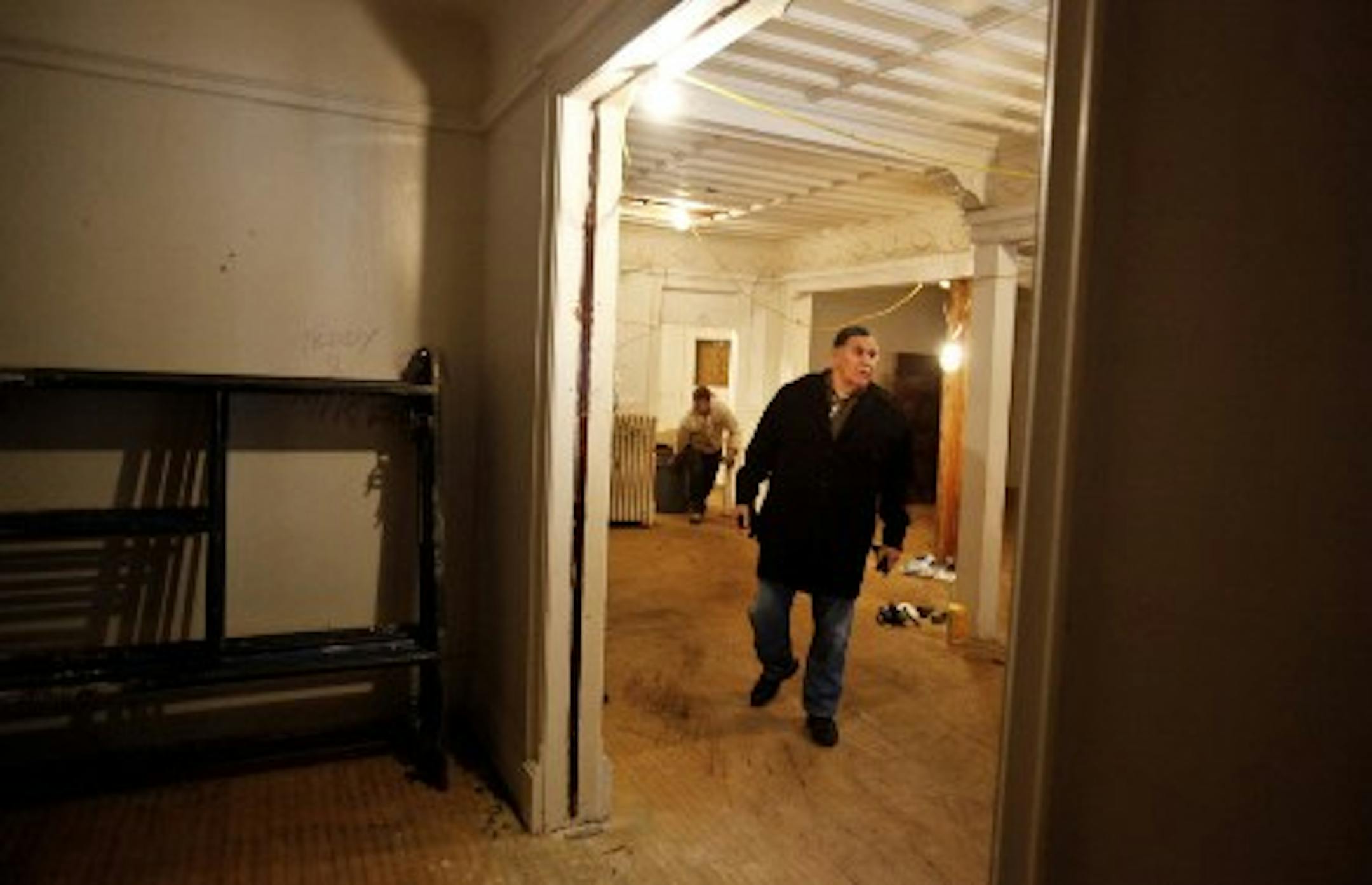
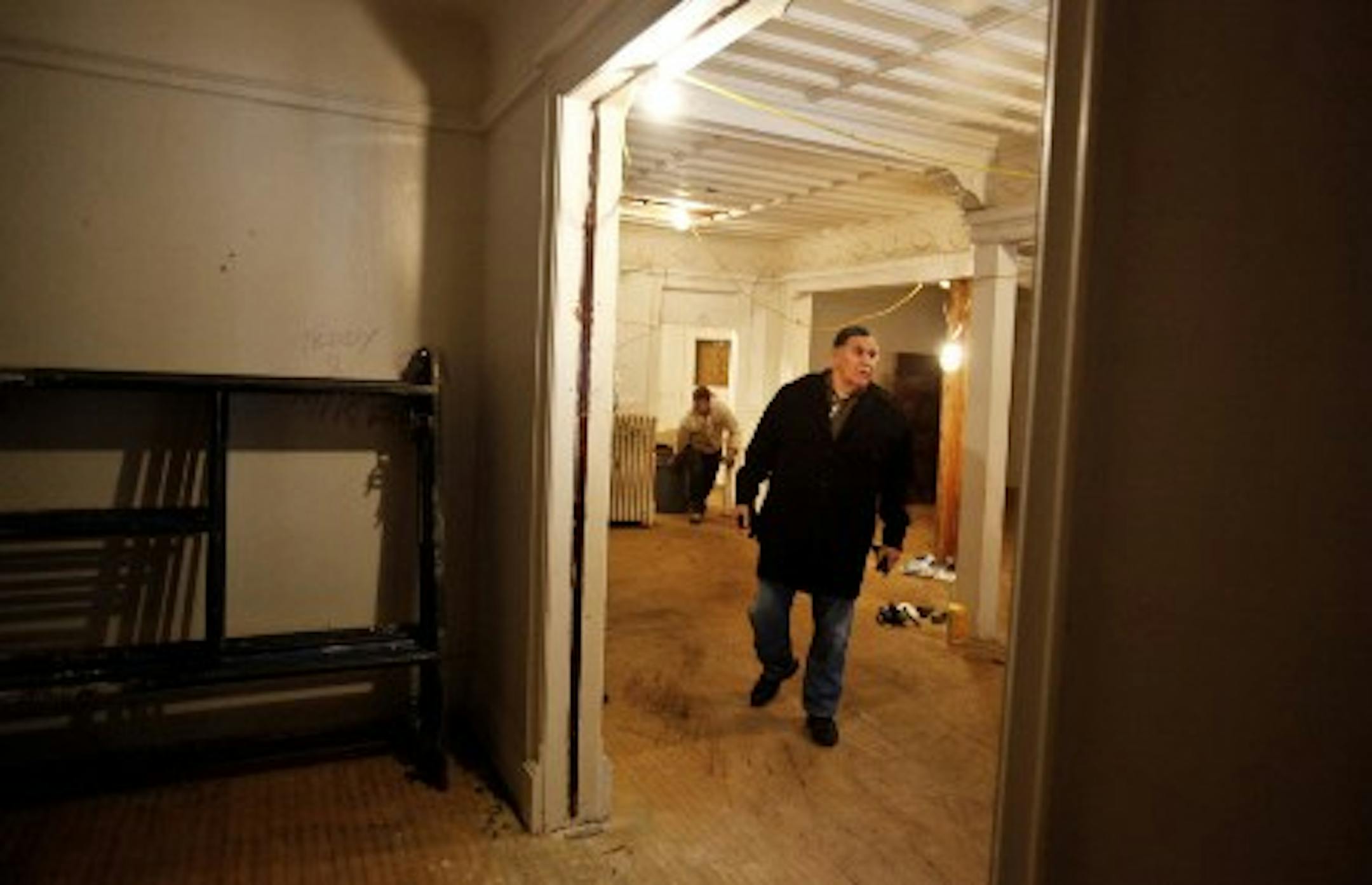
The American Indian Movement Interpretive Center would be housed in a vacant 19th century mansion at 1208 5th St. SE. once owned by lumberman Henry Frey. More recently, the mansion was used for auxiliary classroom space by the Heart of the Earth Survival School, which was in a separate building across the street.


