

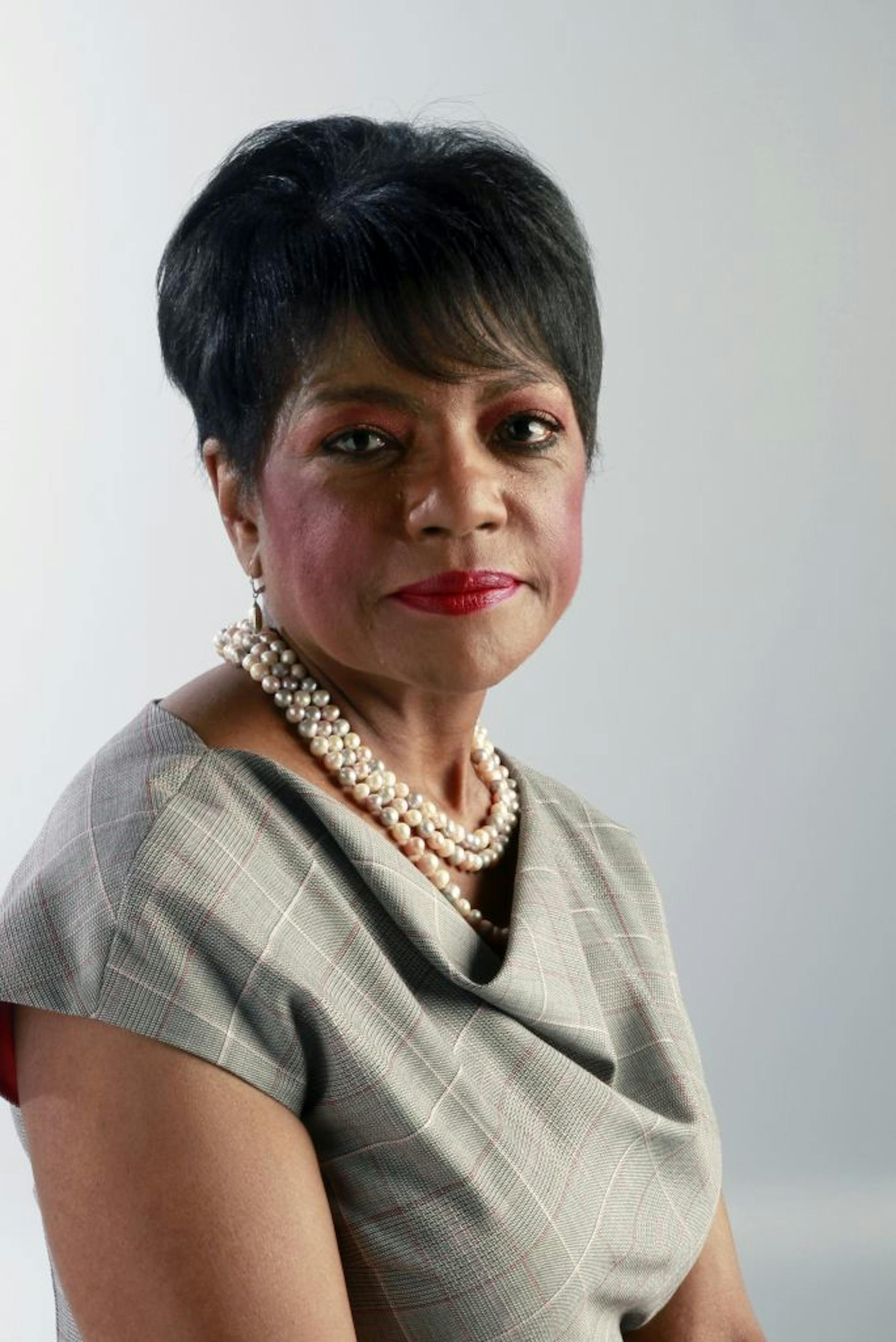
In her first job, Barbara Butts Williams punched keys on a Mohawk data recorder in a Pennsylvania state office. Her colleagues told her to aim higher. Over four decades in workforce education and professional development, she helped thousands of her own colleagues move higher. A longtime civic leader, she is now executive dean for Capella University, the Minneapolis-based online education company.
Q: After so many years working on training and staff development in hands-on corporate settings, what is it like to be working in an online education company?
A: I had the great fortune of working for companies with employees all over the world. Having been a chief learning officer and responsible for development in those companies, I recognized early that I needed a different way of achieving consistency and ensuring the right competencies and development opportunities for employees worldwide. I've always dabbled into what was next in learning throughout my career. So seeing where the practice is now is not a big step for me. Online is a more convenient delivery model for some people.
Q: When you're dealing with corporate customers, do you still encounter skepticism about whether workers can learn new skills through online courses alone?
A: Not as much as 10, 15 years ago. Change is not easy and innovation is more difficult. If I was a CEO, the questions I would ask are: Who can provide the best outcome to help our employees succeed, understand our needs and provide an acceptable return on investment? I think the end for us is we have to be transparent in the kind of results that provide. I seldom today have the conversation about whether it's online or not because many of the large universities have online MBA programs and other programs. So that's not really a big concern of mine. Also, take health care. When you look at how that industry is now training nurses and doctors, we're seeing a lot more technology-enabled tools.
We have a lot of regulatory concerns and challenges that we face that may be more than a traditional university. I think that's good because it causes us to be better. It causes us to look at our results, not only collect the data but be able to draw insights from that and be able to draw meaning and take it to the next level.
Q: Has data taken over education?
A: I don't think it's taken over. I think a lot of us are trying to get smart about how we use the data and trying to streamline the amount of data. The challenge is to make meaning and create the ROI we all are looking for in the right set of information.


