

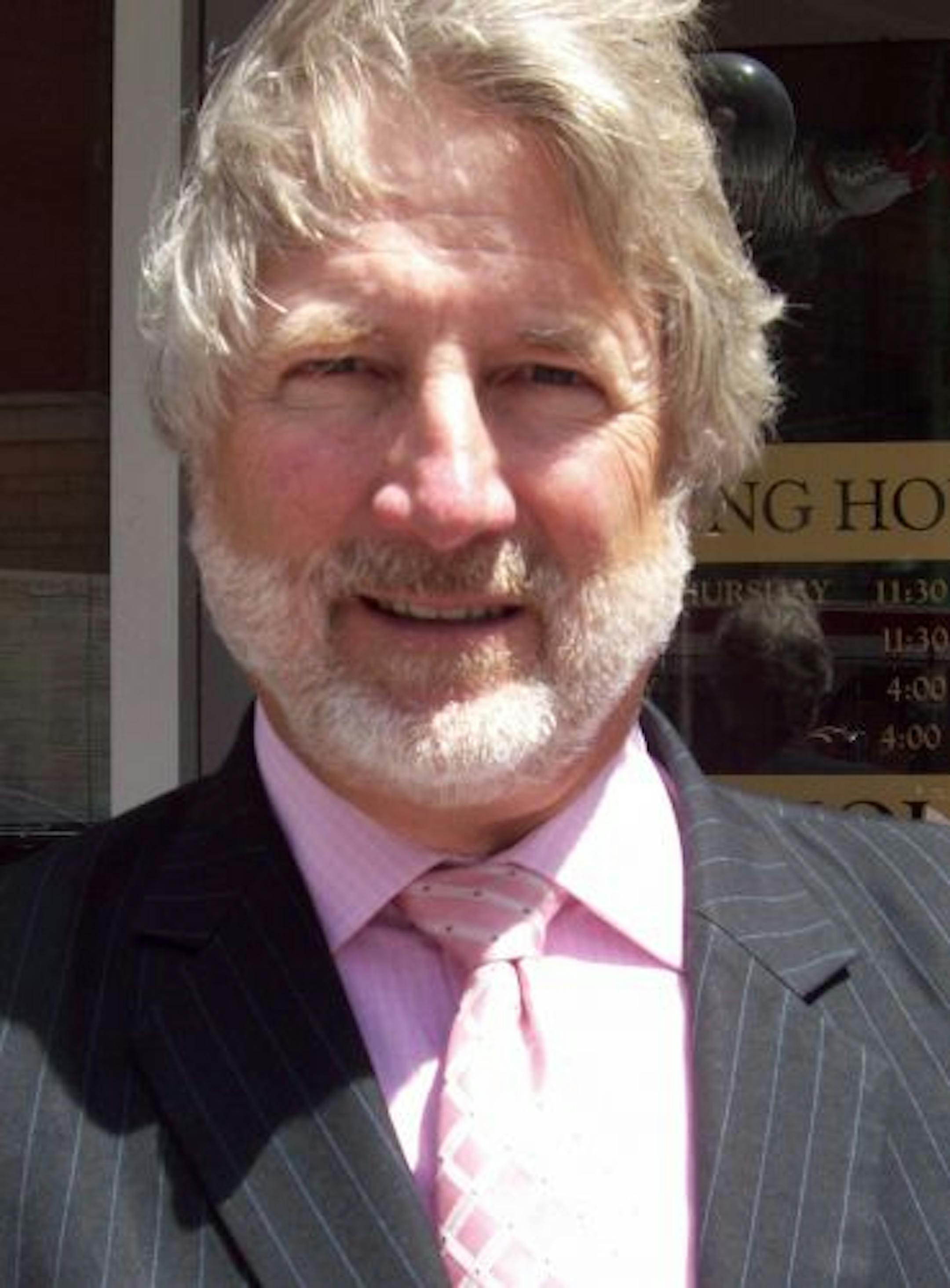
Few people believe in the promise of biotechnology more passionately than G. Steven Burrill. Investors and executives flock to his conferences and eagerly digest his annual "State of the Biotech Industry" report.
But some of them are scratching their heads over the San Francisco venture capitalist's decision to invest up to $1 billion to convert an elk farm in southern Minnesota into a bioscience incubator.
"I'm not getting a good sense that there is a workable business model here," said Peter Bianco, director of life-science business development at Halleland Health Consulting and a former CEO of University Enterprise Laboratories in St. Paul. "This thing defies gravity, in my view."
Supporters say the project could spark a biotech industry in Minnesota, creating companies and thousands of high-paying jobs at a time when the state's core medical device companies such as Medtronic Inc. have matured and are even laying off workers.
The state has begun work on $15 million worth of improvements, including a new interchange connecting Hwy. 52 near Pine Island to the facility. Tower Investments, which owns the 3.6-square-mile site, hopes to complete the facility in five to seven years. John Pierce, an executive with the firm, said in July that 10 companies already have committed to Elk Run, although he declined to name them.
Burrill, a Wisconsin native, has pledged to raise $1 billion by the end of the year, a difficult task in the current economy. He says he will use the money to lure biotech companies to Elk Run and to commercialize technology originating from the University of Minnesota and Mayo Clinic.
Several states have tried, with little success, to carve out a biotech niche from scratch. The Midwest, in particular, has focused on biotech to replace lost manufacturing jobs. But to create a successful biotech incubator, a state needs venture capital, a location adjacent to a major research institution, a skilled workforce and breakthrough scientific research -- things you wouldn't necessarily expect to find in Pine Island, a city of about 3,300 located 15 miles north of Rochester.
Yet Burrill's reputation has given Elk Run instant credibility. He's widely known in biotech circles, having advised early biotech breakouts like Genentech and Amgen. In 2002, Scientific American named him one of the country's top 50 biotech visionaries. Burrill also is founder and CEO of Burrill & Co., which oversees a $950 million venture capital fund along with a private equity and banking arm.


