Garden and landscaping books are a dime a dozen, but critics took special notice of Thomas Rainer's 2015 book "Planting in a Post-Wild World." The book, which he co-wrote with Claudia West, was called groundbreaking, masterful and "as practical as it is poetic."
Rainer, a landscape architect who has designed plantings for the U.S. Capitol grounds and the Rev. Martin Luther King Jr. Memorial, recently spoke at the Minnesota Landscape Arboretum. Some listeners were moved almost to tears by his talk on the importance of creating ecologically responsible gardens that bring the wild back into an increasingly urban world.
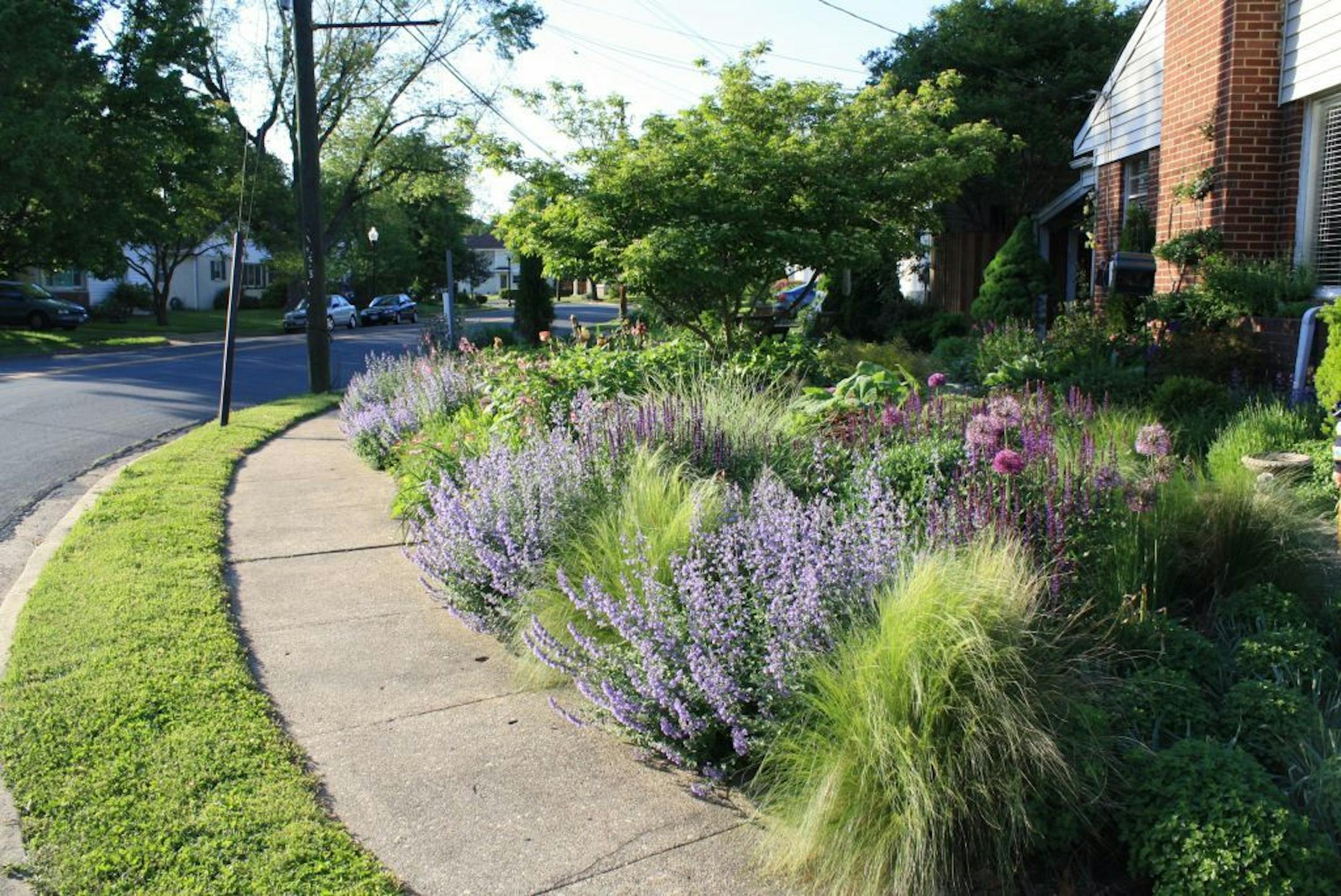
Yet Rainer isn't a pedant. There's room for fun in his landscapes, and his own yard in Virginia has old-fashioned annuals and a patch of lawn where he can toss a ball with his son. Our gardens should bring us pleasure, he says, and if we look to nature for guidance, we will have less work and enjoy our yards more.
Rainer, who blogs at thomasrainer.com, took a few minutes to talk about his work, the urgency of urban gardening and Americans' obsession with mulch:
Q: You say wildness matters more now. Why?
A: Half of the world's population lives in cities. We're urbanizing at a pace unprecedented in human history. That increases desire for experiences of the wild — moments of sunset, moments of seeing grasses backlit, watching a caterpillar emerge from a chrysalis. All of these things are things our grandparents experienced on a daily basis. Now these are things I show my 6-year-old son on YouTube.
As we urbanize, having our memory of the wild tickled will be more pleasurable. I think this is why the High Line in Manhattan (an abandoned elevated rail line that is now a park with prairie plants) is the most visited site in all of New York City. What does it say that what urban dwellers want to see more than anything else is the imitation of a meadow?
Q: Yet you don't argue for using only native plants in landscapes.