Business review from the Economist
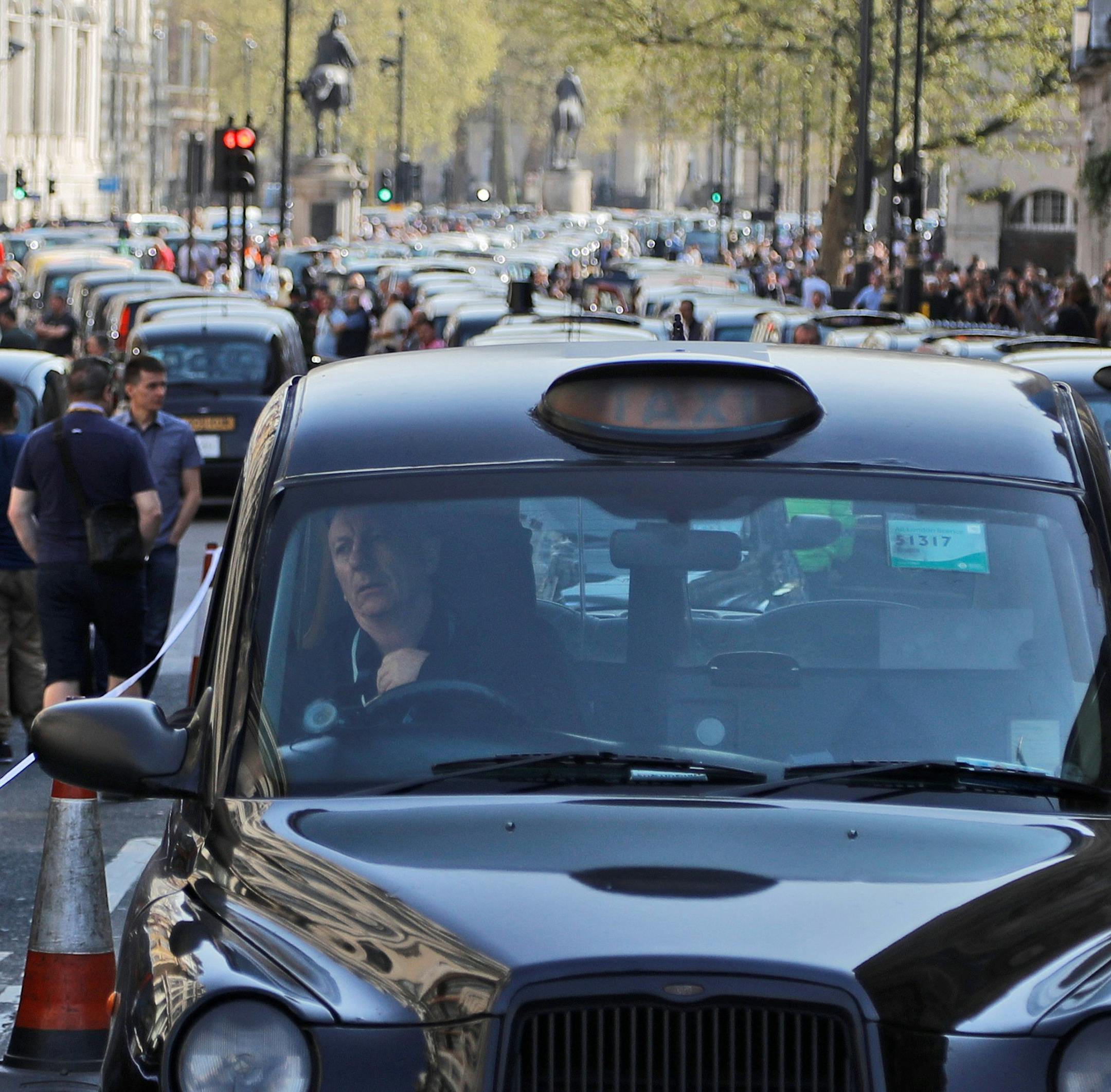
London transport authority ousts Uber
Transport for London, a local-government body, said it would not renew Uber's license to operate in the city, in which it has 3.5 million users. The decision was based on "issues which have potential public-safety and security implications," which Uber will appeal against. The firm is familiar with regulatory run-ins; it backed out of Denmark and Finland earlier this year and threatened to pull out of Quebec rather than adhere to new rules. It is also partly banned in Australia and has fallen foul of state authorities in its native United States, where it is under a criminal investigation for evading local enforcement.
Two of Europe's engineering powerhouses decided to merge their train-making operations. Alstom, which is based in France, and Siemens of Germany hope the deal will put them on track to fight growing competition from state-backed Chinese firms. The merger, backed by the French and German governments, may confront nationalist sentiment in France.
Dyson, a British maker of vacuum cleaners, announced that it was developing an electric car. Signifying that the electric-power revolution is not confined to the car industry, easyJet said it hoped to fly short-haul planes powered by batteries within the next two decades. The European airline is working with Wright Electric, a U.S. startup.
The latest in a flutter of deals in the mobile-payments industry saw a private-equity consortium offer $5.3 billion for Nets, a Danish payments-processor that operates throughout the Nordic region. The acquisition is one of the largest private-equity buyouts in Europe in recent years.
Oil prices climbed, in part because of Turkey's threat to shut the pipeline that carries oil from Iraqi Kurdistan to the Turkish port of Ceyhan. Brent crude reached $58.50 a barrel, the highest since July 2015. With prices rising steadily, some think the market may at last be readjusting to the OPEC-led drive to reduce supply in order to ease a global oil glut.
Jay Clayton, the chairman of the Securities and Exchange Commission, was grilled by Congress over the recent revelation that the electronic system used by companies to compile information for regulators had been hacked in 2016. Although the breach happened under Clayton's predecessor, congressmen wanted to know why it had taken so long to come to light.
Moody's downgraded Britain's credit rating, saying it expects the burden of public debt to rise, and that "fiscal pressures will be exacerbated" if the country endures a messy divorce from the E.U.
Facebook bowed to pressure from shareholders and abandoned a plan to reclassify its shares. Mark Zuckerberg had hoped to sell a tranche in order to fund his charity and at the same time retain a majority voting stake. He now plans to sell as many as 75 million shares, worth around $12 billion, and still keep control of the company.