

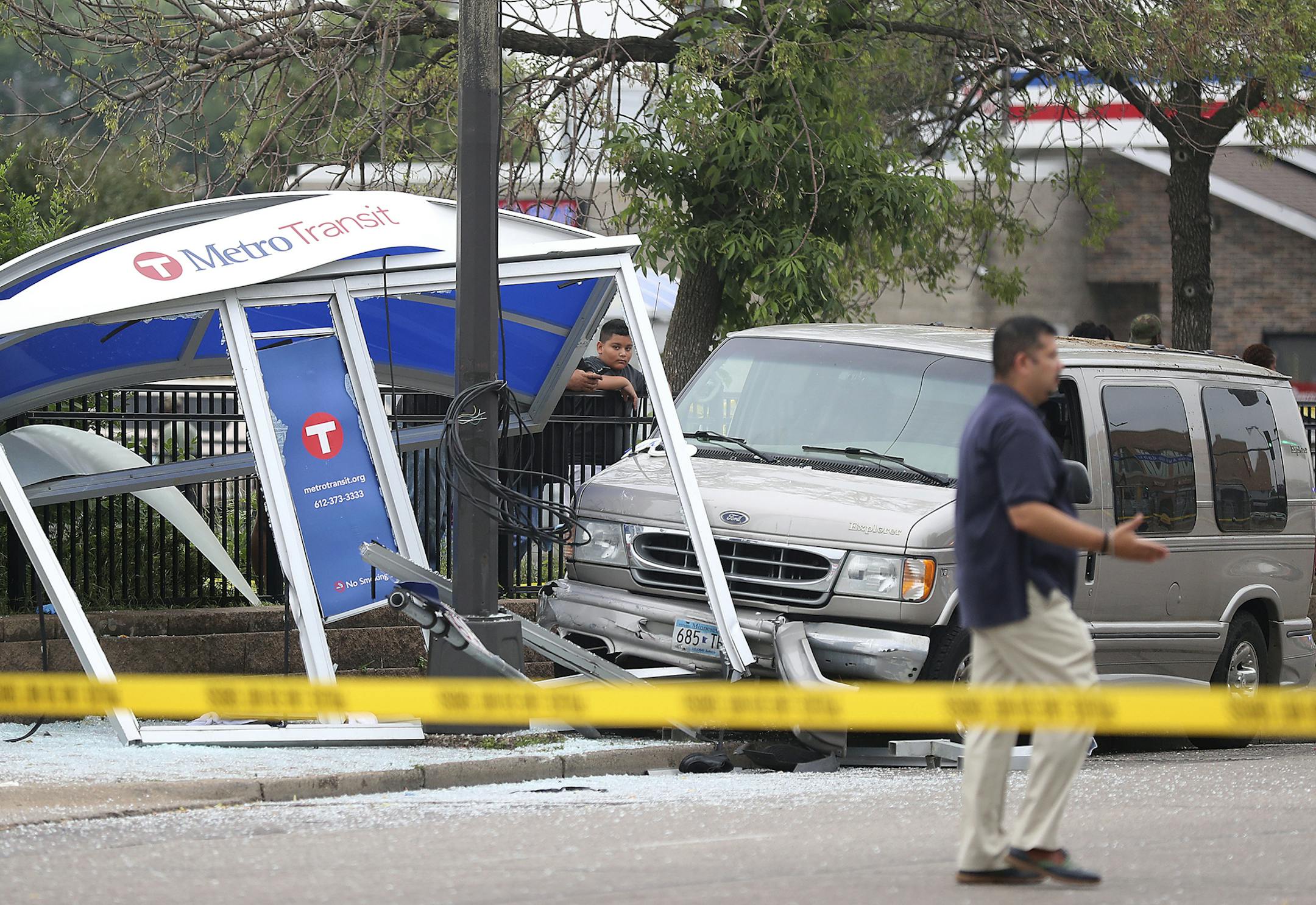
Last week an elderly man ran into a bus — twice — then made a turn, running over a bus-stop shelter, injuring six people, two of them critically. The driver was white; all of the injured were black. He was described in articles as "expressionless." The police concluded at the scene that this was not a malicious act, that the man was not impaired by alcohol. He was released.
The black community was understandably upset at the events and protested. The members of this community have been poorly treated historically both by the police and by the judicial system. They are not paranoid; I believe they are understandably suspicious.
Was this 83-year-old man guilty of some crime? My view as a geriatrician was that it was much more likely that the man was impaired. Not by alcohol — he was tested for that. It is more likely that he was impaired by prescription or nonprescription drugs, a neurological disease such as dementia, or a sensory impairment such as vision or hearing loss. All of these are much more common than a violent racist act from an 83-year-old man who has not been drinking.
I wrote the following article that appeared in the Star Tribune in June 2012 following a similar accident in California:
Ten people so far have died because a sweet-looking 86-year-old man stepped on the gas instead of the brake. That's what happened in Santa Monica, Calif., last week.
How could this happen? Very easily: Ninety percent of people that age have vision or hearing loss. Thirty-two percent have dementia (mostly Alzheimer's disease). Most have arthritis and diminished mobility in their legs. All have slow reflexes. Most are taking medications and many of these medications can further impair their judgment and reflexes. That's why the elderly, after teens, have the highest mortality rate behind the wheel.
What's the answer to this problem? We could take away the driver's license of everybody over a certain age, say 80. That would be easy, and it would be wrong.
I'm a geriatrician. I've told many of my patients they have to stop driving. In some cases I've done it because their children asked me to, and it was the right thing to do. In other cases I've done it because my medical judgment said to me: This person is not safe behind the wheel of a car.


