

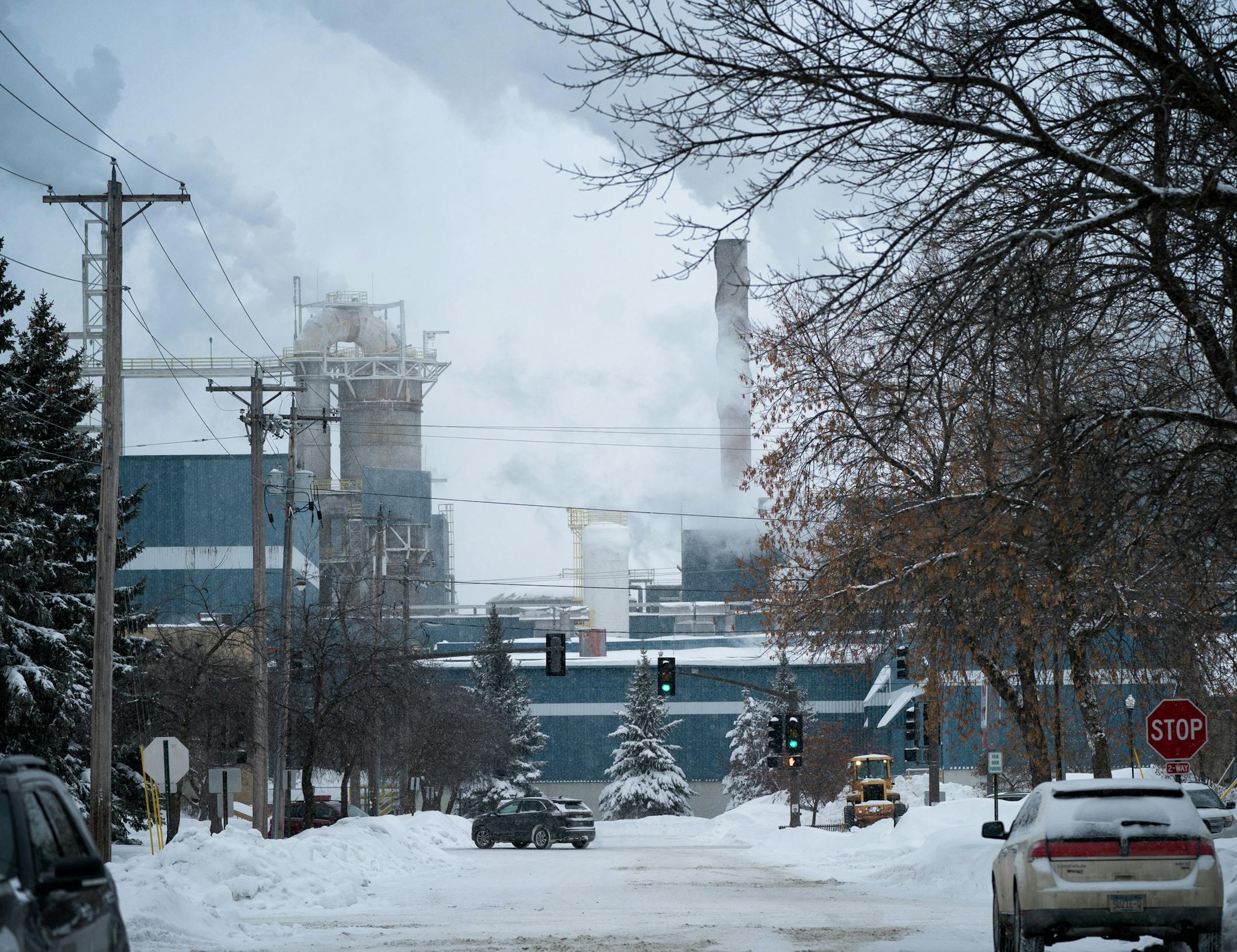
INTERNATIONAL FALLS, Minn. – After more than 30 years of doing business in this longtime mill town, Optum Health plans to close its health care claims office this summer.
The good news is the company's 90 workers can keep their jobs. The bad news is that offer is good only if they're able to work remotely. And those who live outside the city limits may not have access to the high-speed internet service they'd need to keep earning a company paycheck.
Optum says its intention is to keep all of its workers on the job, and it will do what it can to help those in need of technical upgrades. City and county leaders are looking at setting up a business center where people lacking broadband — whether Optum employees or not — could get their work done.
Such predicaments have Minnesota politicians taking a new look at rural broadband. U.S. Sen. Amy Klobuchar has made the issue a major talking point as she begins her campaign for the Democratic presidential nomination.
Gov. Tim Walz has promised he'd attack the problem like a "moonshot." Meanwhile, a Republican-sponsored bill with bipartisan support is making its way through the Legislature, promising $35 million a year in each of the next two years for rural broadband upgrades.
All the talk about addressing the issue is encouraging, broadband advocates say. But with one in five rural Minnesota households still lacking access to high-speed, wired internet service, there's a long way to go.
"They did it in the '30s with electricity. They did it in the '50s with telephones. This is the electricity of the 21st century," said Anne Schwagerl, an organic farmer in Browns Valley on the South Dakota border.
Schwagerl and her husband grow grain and raise pigs. And in her view, internet access is as essential to farming today as a good tractor.


