

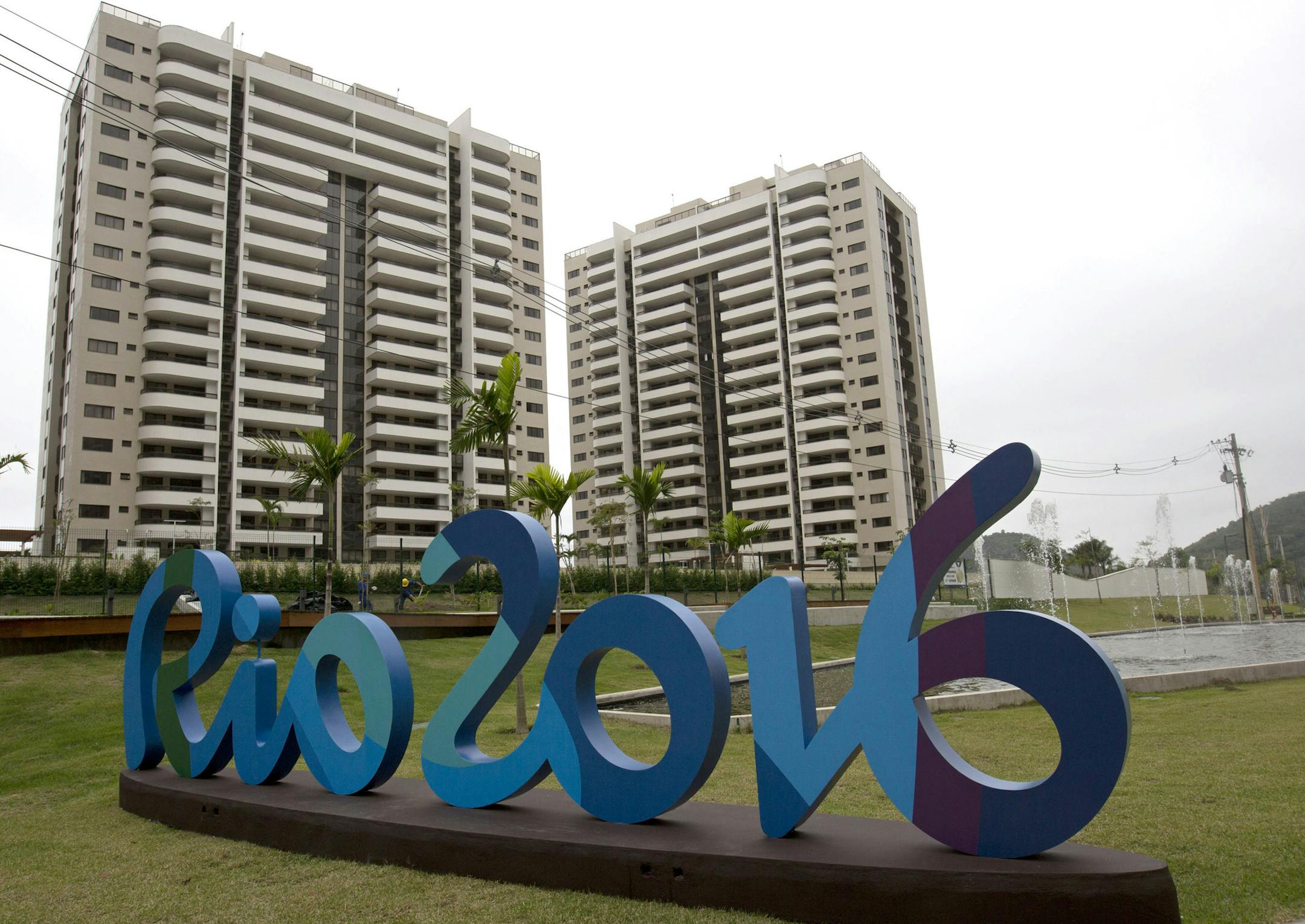
Earlier this month, I was in Brazil for two weeks, and one thing really caught me off-guard: Unless I prompted them, no one mentioned the Zika virus. And the only evidence of any public campaign I saw about the epidemic was a sign in a bus-stop shelter that read simply, "One mosquito is not stronger than an entire country."
What? No panic? I know back home in Minnesota you were reading screaming headlines about athletes dropping out of the Olympics and a continent filled with mosquito fears. But it was different in what we think of as ground zero for the Zika virus.
I was in Brazil to attend the 22nd International Union for Health Promotion and Education World Congress. I was excited to return to the country where I had studied abroad for six months in college and to observe and learn about the realities of the troublesome triad affecting Brazil: Zika, the Olympics and corruption.
Believe me, Zika is not Brazilians' biggest worry.
There are at least two reasons why this is the case — and why I was not afraid to get Zika. In the first place, it's winter in Brazil, and there are barely any mosquitoes in the central and southern regions. Vector-borne diseases disproportionately affect the poor, who dwell or work in areas with inadequate water, sanitation and air.
Second, as I spoke to Brazilians throughout my trip — health care professionals, cabdrivers, store owners and friends — I began to understand the problems in Brazil as a pyramid rather than a triad.
At the very broad base is rampant political corruption that has resulted in a leadership crisis and the misallocation of funds.
It's complicated, of course, but that's at the heart of why President Dilma Rousseff was impeached and interim President Michel Temer was installed. Even at the global health conference I attended — with more than 2,000 attendees from 70 countries — there were occasional chants against the impeachment of Rousseff. People clapped loudly and stormed out of sessions as panelists debated the impacts of austerity on health outcomes.


