

The Twins were the most active team in baseball at last year's trade deadline, pulling off five swaps in the final days of July and another in early August. And that was just a precursor, the team's front office hinted and the MLB community assumed, to a winter spent bartering for major league upgrades in Minnesota.
"We may actually shift our attention to the trade market," Twins General Manager Thad Levine said, when asked at a public forum in August about the team's plans for pursuing free agents. "This might not be the perfect time for us to invest in a guy who's 30 years old and would need to perform today in order for us to realize his true potential."
It hasn't happened. The Twins filled their most gaping holes through a waiver claim and by signing four reduced-price free agents. They haven't dealt or acquired a major league player in a trade since flipping Bobby Wilson to the Cubs in August.
That the Twins, like about 20 other teams, sat out the retail-priced free agent market is not a surprise. That they never shook up their roster with a trade ranks as a shock — and that rummage sale they conducted last summer is part of the reason. As one scout mused in September about the Twins' offseason plans, the team had acquired an extraordinary number of "packing peanuts" — intriguing but embryonic prospects, the sort of lottery tickets that can turn "maybe" into "yes" during trade negotiations — during their deadline spree.
The Twins received 13 players in their various deals, 10 of them minor leaguers and six who have never played above Class A, arming them with unusual depth to offer trading partners. And they tried, Chief Baseball Officer Derek Falvey said.
"It's been a little bit hard to find matches, Seattle notwithstanding," Falvey said last month, referencing the Mariners' trade-heavy teardown. "We explored the market. We made a lot of inquiries, and we just didn't find fits. There were prices to be paid for players — painful prices. And we chose not to" pay them.
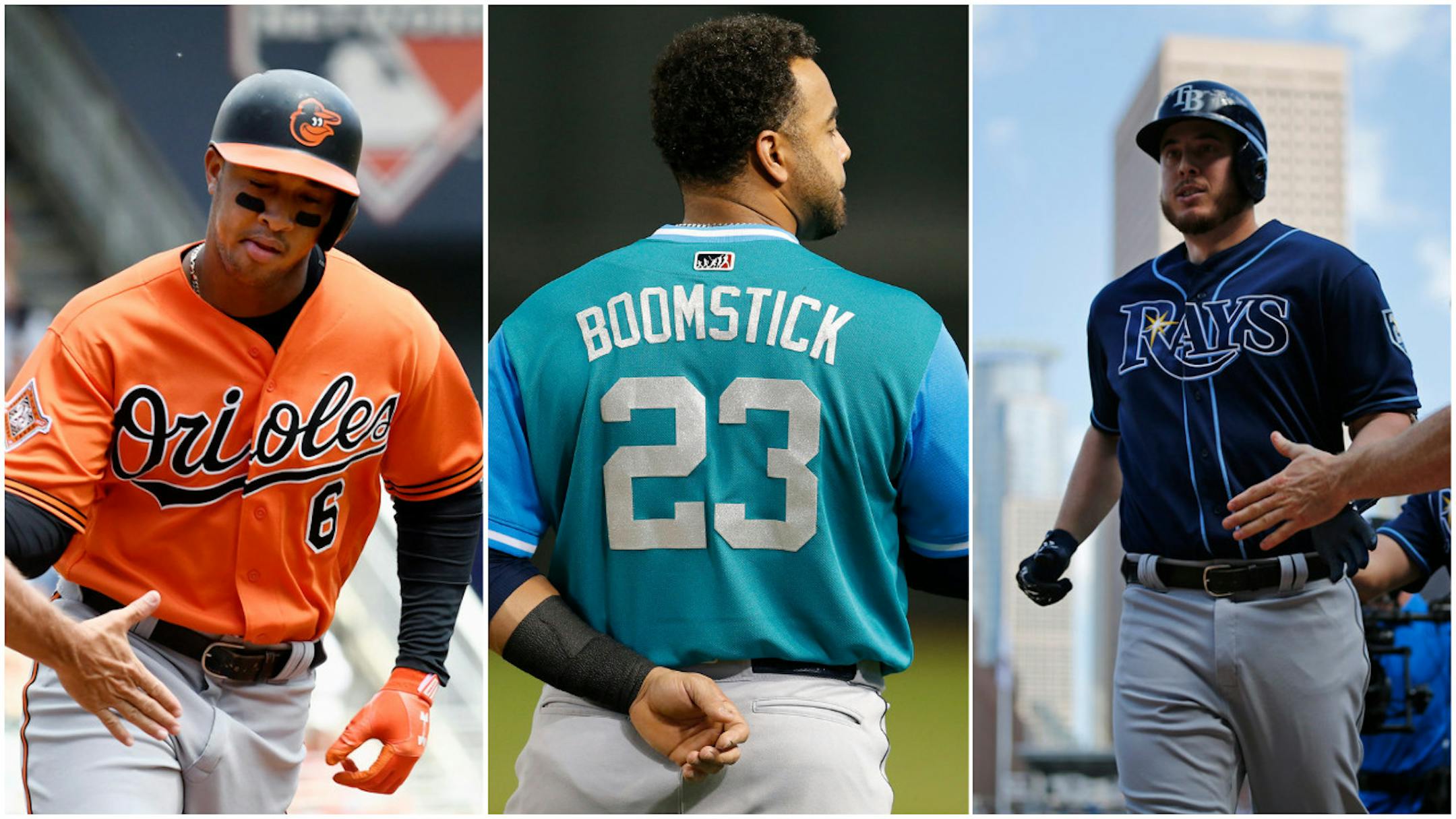
That's partly because they filled a pair of infield vacancies with veteran players they hadn't expected to be available. First baseman C.J. Cron, off a 30-homer, 2.0 WAR season, was unexpectedly designated for assignment by the Rays, the veteran falling into the Twins' laps for the price of a $20,000 waiver claim. Four days later, the Brewers decided not to offer Jonathan Schoop a contract, and the Twins swooped in to sign the 2017 All-Star to play second base.
But the Twins had hoped to upgrade the pitching staff with a trade or two, too, only to discover themselves blocked by a longtime baseball truism: Everybody needs pitching.
![Twins infielder Jonathan Schoop greeted a fan during an autograph session at TwinsFest. ] Shari L. Gross • shari.gross@startribune.com Twins Fest, 9 a.m-6 p.m. at Target Field. Players interacting with fans at Target Field.
Targets to shoot (if they are available) include new second baseman Jonathan Schoop, pitcher Fernando Romero, pitching coach Wes Johnson, new manager Rocco Baldelli.](https://arc.stimg.co/startribunemedia/I4ARXYLUHBQO23MU6PYP2T6JO4.jpg?&w=1080)


