

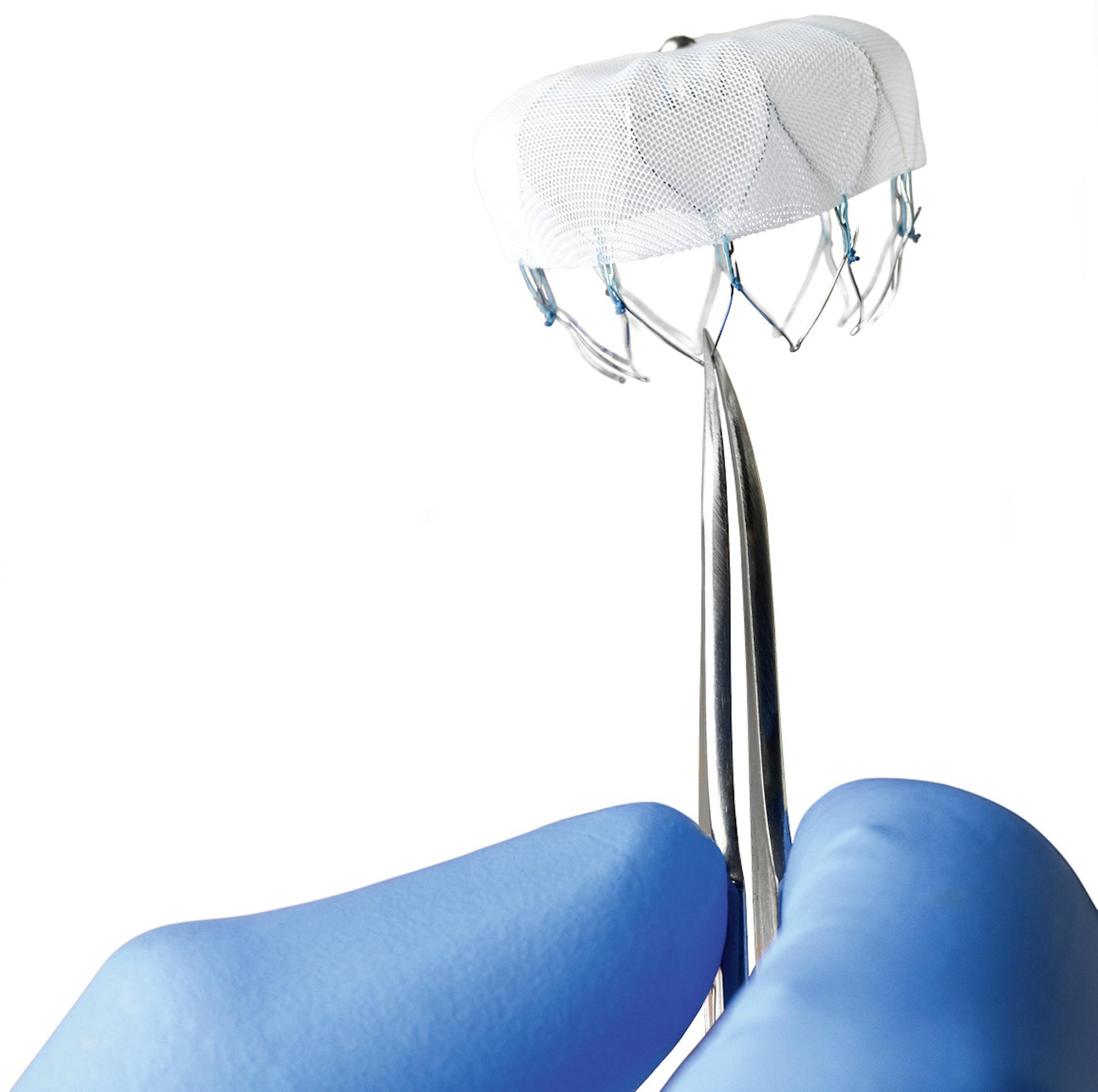
Boston Scientific Corp.'s stock climbed nearly 4 percent Monday after the Food and Drug Administration approved a heavily studied heart device intended to cut the risk of stroke in patients with quivering hearts.
The FDA voted to allow commercial sales of the Watchman left atrial appendage closure device late Friday, following an unusually long approval process that started in 2009. The Minnesota-designed device is approved for patients whose atrial fibrillation causes a high risk of having a stroke and who are seeking an alternative to blood-thinning warfarin drugs like Coumadin.
"We are very pleased with the label," said Boston Scientific's chief medical officer in rhythm management, Dr. Kenneth Stein, referring to the device label approved by the FDA that lists which groups of patients are candidates for Watchman therapy.
There had been concern that the Watchman, after such a probing approval process, would be OK'd for a very limited patient population. But Stein said Monday that wasn't the case: "This is precisely the group of patients who we think ought to be considered for the device."
Some patients can use the device as a "first-line" treatment to reduce the risk of stroke if they have a valid reason to avoid blood-thinning drugs. Patients have to be able to tolerate some level of blood-thinning medication, however, because warfarins are recommended for at least six weeks after the procedure is done. The device label will include a somewhat unusual section describing considerations for selecting the right patients, Stein said.
Atrial fibrillation is an irregular heartbeat that feels like a quivering heart and affects about 2.7 million Americans, according to the American Heart Association. The condition is a risk factor for stroke because an irregular heartbeat can cause blood to pool in an area of the heart called the left atrial appendage, where it can form clots. If a clot breaks away, clogs a vessel and blocks oxygen-rich blood flowing to the brain, a stroke results.
Between 15 and 20 percent of stroke patients have atrial fibrillation, which is why doctors often prescribe blood-thinning warfarin drugs to prevent clots from forming in the heart and throughout the body. But Boston Scientific and other companies working on left atrial appendage closure plugs say their devices are needed because as many 40 percent of patients eligible to take warfarins don't do so.
"If there are patients who are on the drugs who are doing well, we are not pushing for device use on those patients," Stein said. "But for those patients who either have had problems on the drugs, or who predictably will have problems if they're put on the drugs in the long term, that's the population where they stand to benefit from this device."


