In some patients, it looks like a chicken wing. Others have a windsock, or a broccoli.
The left atrial appendage is an odd-looking pocket of heart tissue that grows in wrinkly shapes in the human body. It's a prime breeding ground for blood clots leading to deadly strokes, and medical device companies see a $500 million market for gadgets to permanently seal it off in patients with heart conditions.
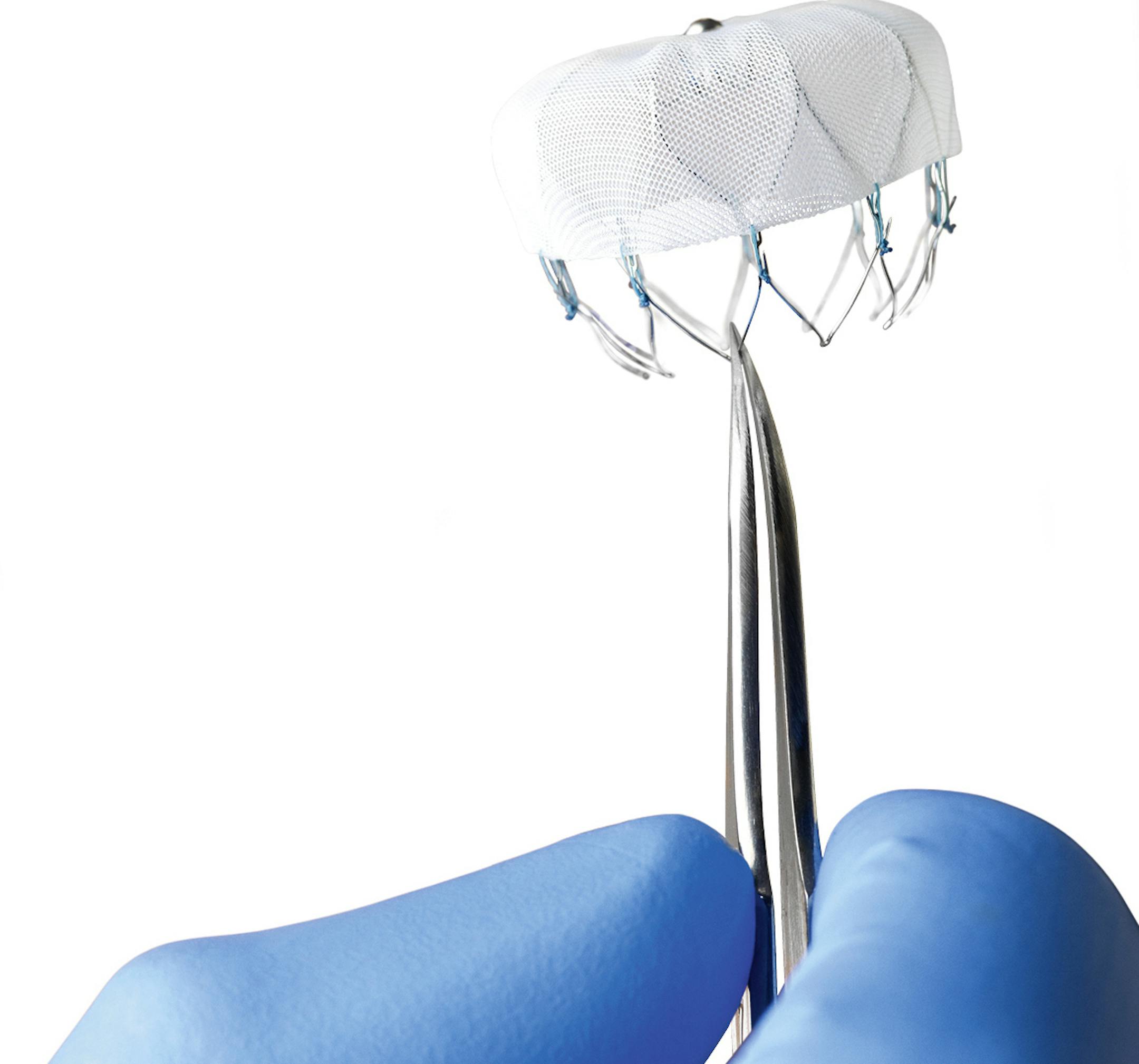
But the quest to find a safe way to do so has followed an unusual route that produced two devices, one of which was designed in Minnesota and navigated a decade of safety testing before approval last spring. The other device, which went through a Food and Drug Administration clearance process called 510(k) requiring far less clinical testing, is now associated with half a dozen patient deaths, according to a recent FDA alert.
Just how doctors respond could position Boston Scientific Corp., which sells the Minnesota-designed device, to carve out a big piece of this promising market. It also focuses more scrutiny on regulatory practices.
The FDA is already facing tough questions from members of Congress about whether its 510(k) process missed signs that a different medical device called a power morcellator can spread cancer cells in women and cause deaths. The FDA is in the process of improving its approval processes, but a recent agency report says its long-standing system "reduces unnecessary burden without compromising assurances that devices marketed to American patients are safe and effective."
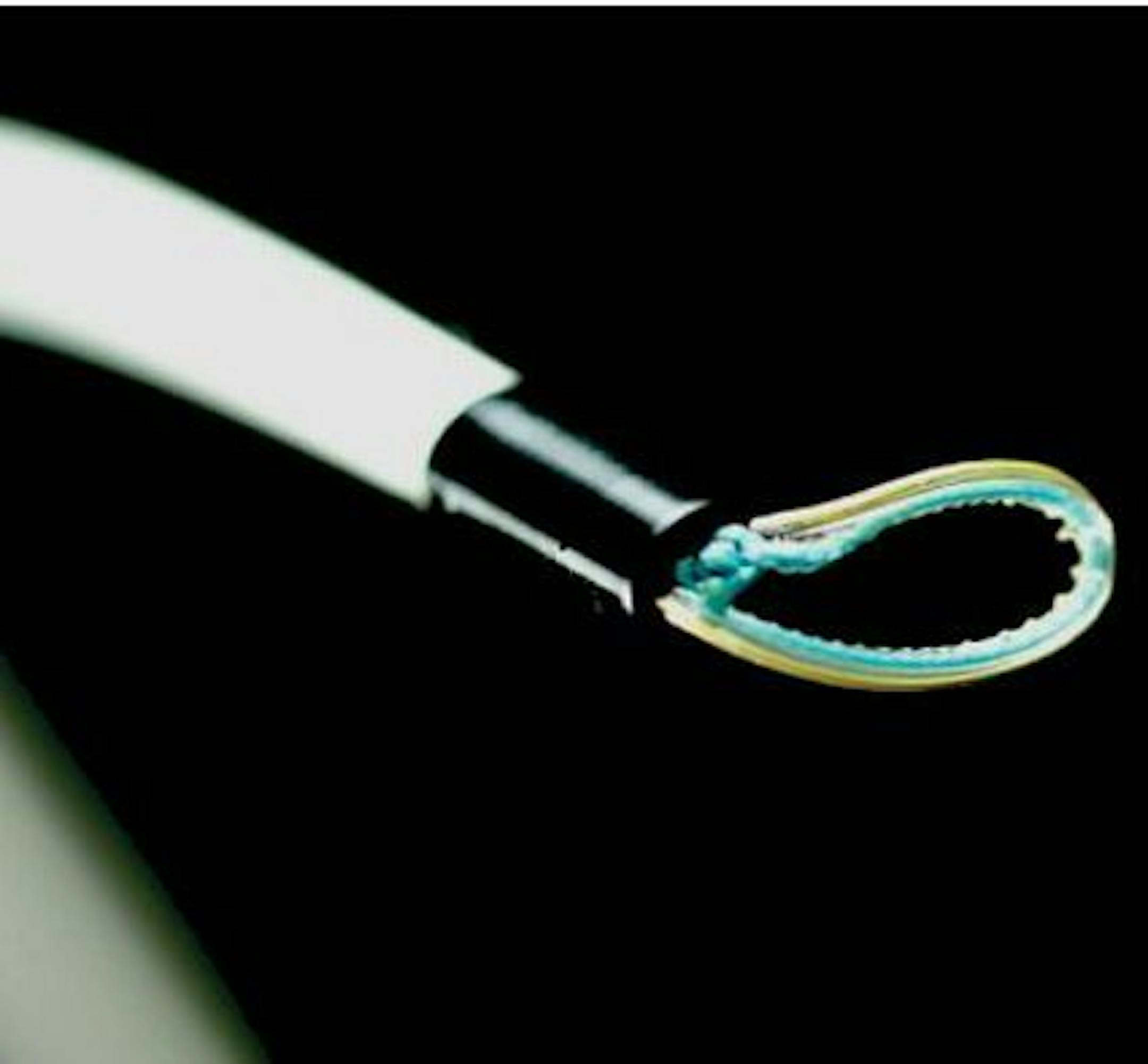
On July 13, the FDA published a letter revealing previously undisclosed risks from the 510(k)-cleared left atrial appendage suture system called the Lariat, made by California's SentreHeart.
Doctors say thousands of patients who have a heart condition called atrial fibrillation but don't take blood-thinning drugs can benefit from such devices. Their quivering hearts may cause blood to pool in the oddly shaped atrial appendage and form dangerous blood clots. Such clots can travel to the brain and cut off blood supply, causing disabling or deadly strokes.
Despite that need, the July 13 advisory has sharply cut down on the use of the Lariat.