

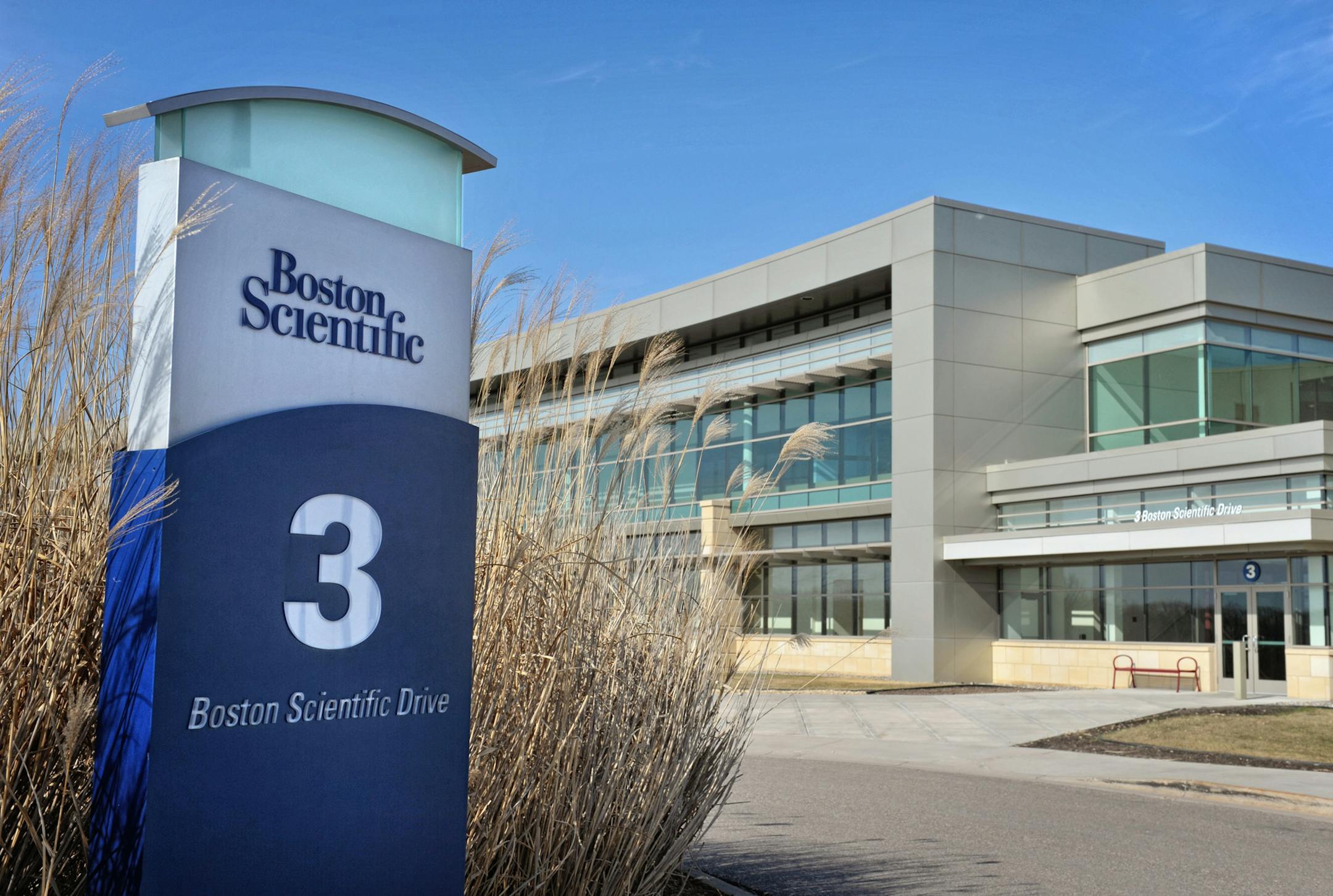
Boston Scientific Corp. is betting more than $100 million on a small California company with a product that's not yet legal to sell in the United States.
But its decision to acquire the company, announced last week, is not a blind bet.
Two years ago, Boston Scientific made a venture investment in Veniti and its Vici venous stent, and started distributing the device in Europe, where it has been approved for sale. Based on what Boston Scientific's peripheral interventions team in Maple Grove learned from that experience, Boston is opting to snap up Veniti sooner rather than later.
"We're betting with Veniti that it'll be FDA approved," Boston Scientific CEO Mike Mahoney said in an interview, referring to the Vici stent. "It's not a 100 percent guarantee, but we are betting that it will, based on what we know about the company."
In the past five years Boston Scientific has quietly ramped up its venture-fund activity and today holds about $400 million in investments in a portfolio of 35 small med-tech companies that it hopes to acquire outright one day. Boston has been on an acquisition spree in the past year, and among the planned or completed deals were five involving venture investments, including Veniti.
Entities from big med-tech companies to insurers to health care providers have waded into the venture investing game in recent years. It's partly a reaction to a pullback by traditional venture funds on early-stage med-tech investing, industry insiders say, that has forced startups to tap nontraditional sources of funding.
But larger med-tech manufacturers have long used early-stage investments in young companies to get to know the capabilities of new technologies and the management teams that hope to roll them out.
"It is not a new phenomenon for companies, in our sector in particular, to make investments in companies and down the road acquire them," said Karen Parkhill, chief financial officer for Minnesota-run Medtronic, in an interview. "We make minority investments and we have a small team that does that. Sometimes they turn into acquisitions, and sometimes they don't."


