

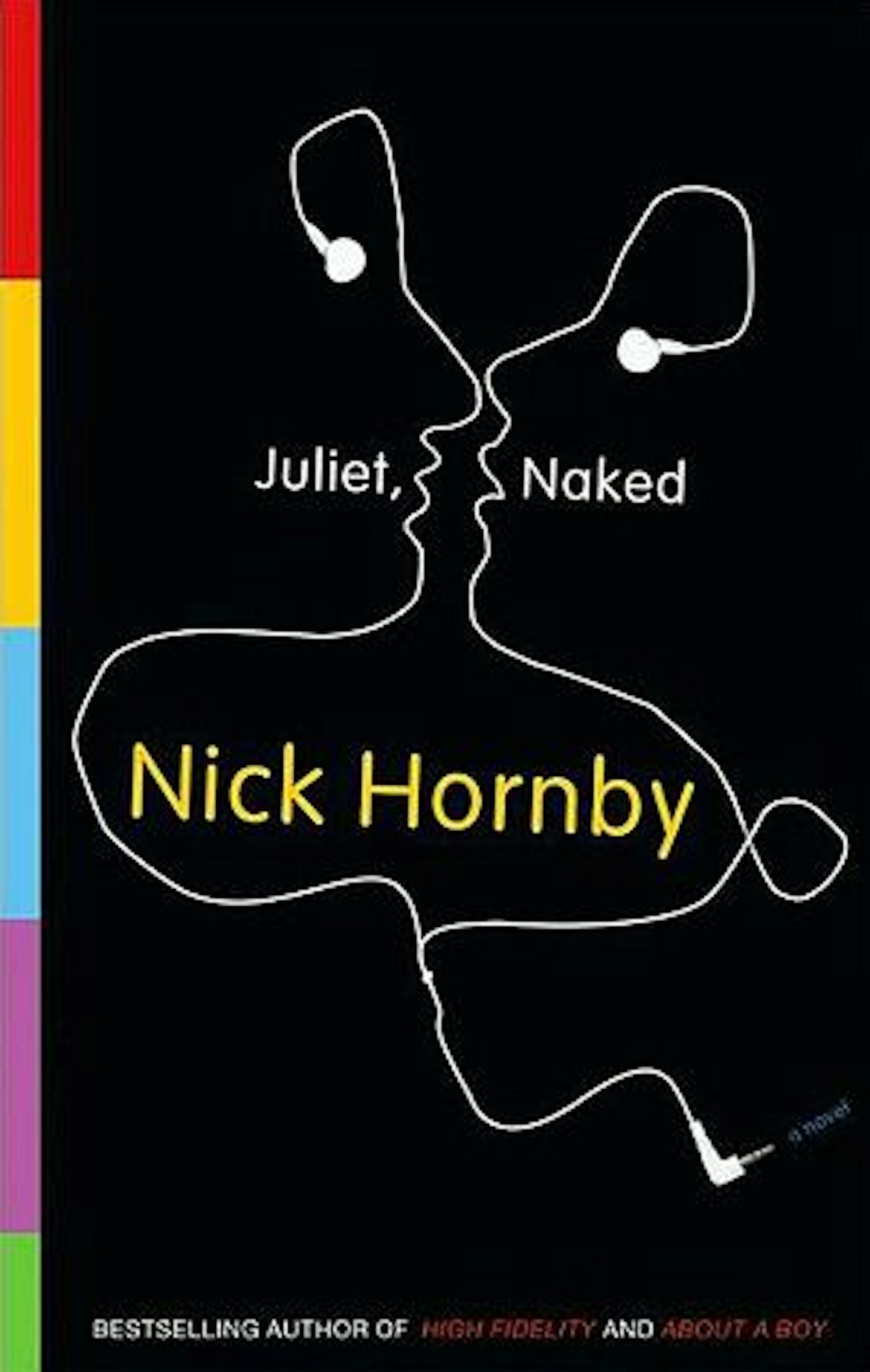
Remove your headphones and hear this: The opening scene of Nick Hornby's latest book, "Juliet, Naked," has the characters standing over a clogged toilet in a Minneapolis rock club -- the place where Tucker Crowe, a fictional Dylan-esque rocker, made the choice to disappear from music back in 1986.
That clogged Minneapolis toilet is rich metaphorical compost for growing this new Hornby story, which reads like a sadder acoustic version of Hornby's breakthrough novel, "High Fidelity." Hornby is in his best themes here: obsessive fandom, the need for human connection and the power of art. But now it's in a minor key -- less "Every Breath You Take" and more "Tangled Up in Blue."
The plot begins with typical Hornby players: Duncan is a community college professor in a dreary British hamlet. He's unable to operate in "non-Crowe" situations because his laser-beam intensity is so focused on the long-gone rocker. Annie is a bored and lonely museum curator and Duncan's exasperated partner. She maybe wants a baby, but after years of playing second fiddle to the phantom Crowe, she definitely does not want Duncan.
When a new Crowe album is leaked to Duncan (really it's just acoustic demos from a previous album), Duncan's ego gets the best of him and he hurries to post the first glowing review. Annie, tired of Duncan's obsession but too emotionally stunted herself to get out of the relationship, posts her own negative counter-review.
Then something weird happens. The mysterious Tucker Crowe reads both reviews and sends an e-mail to Annie thanking her for her levelheaded critique. Hornby opens up this world to include the very rocker who inspires the fandom.
And guess what? The god-like artist, a figure of worship for many of Hornby's male characters, is not really a god at all. Where there was once a Springsteen-cum-Beckett presumably making life-changing music on a secret farm, Hornby gives us an unemployed middle-aged man making a sandwich. Tucker Crowe, the Artist/God, is just another flawed, neurotic, irresponsible man still learning from his mistakes, and that's a generous assessment.
This may lead to head implosion for Hornby fans. To others -- those past enjoying the Man-child coming-of-age story -- it may appear that Hornby is also past telling it. Tucker Crowe is either a tremendous blow to your sacred cows, or a huge sigh of relief, depending on where you are in life. This is the kind of book that will change with you, which makes it kind of cool to read.
But there is blood on the tracks. Consuming a piece of literary pop culture about someone's obsession with pop culture written by a person who obsesses about pop culture (for years Hornby had a column in the Believer that tracked his media consumption) does suck some of the pleasure out of reading the book. And Hornby's style of telling all that's in his characters' heads doesn't always jell with the movie-ready action and dialogue.


