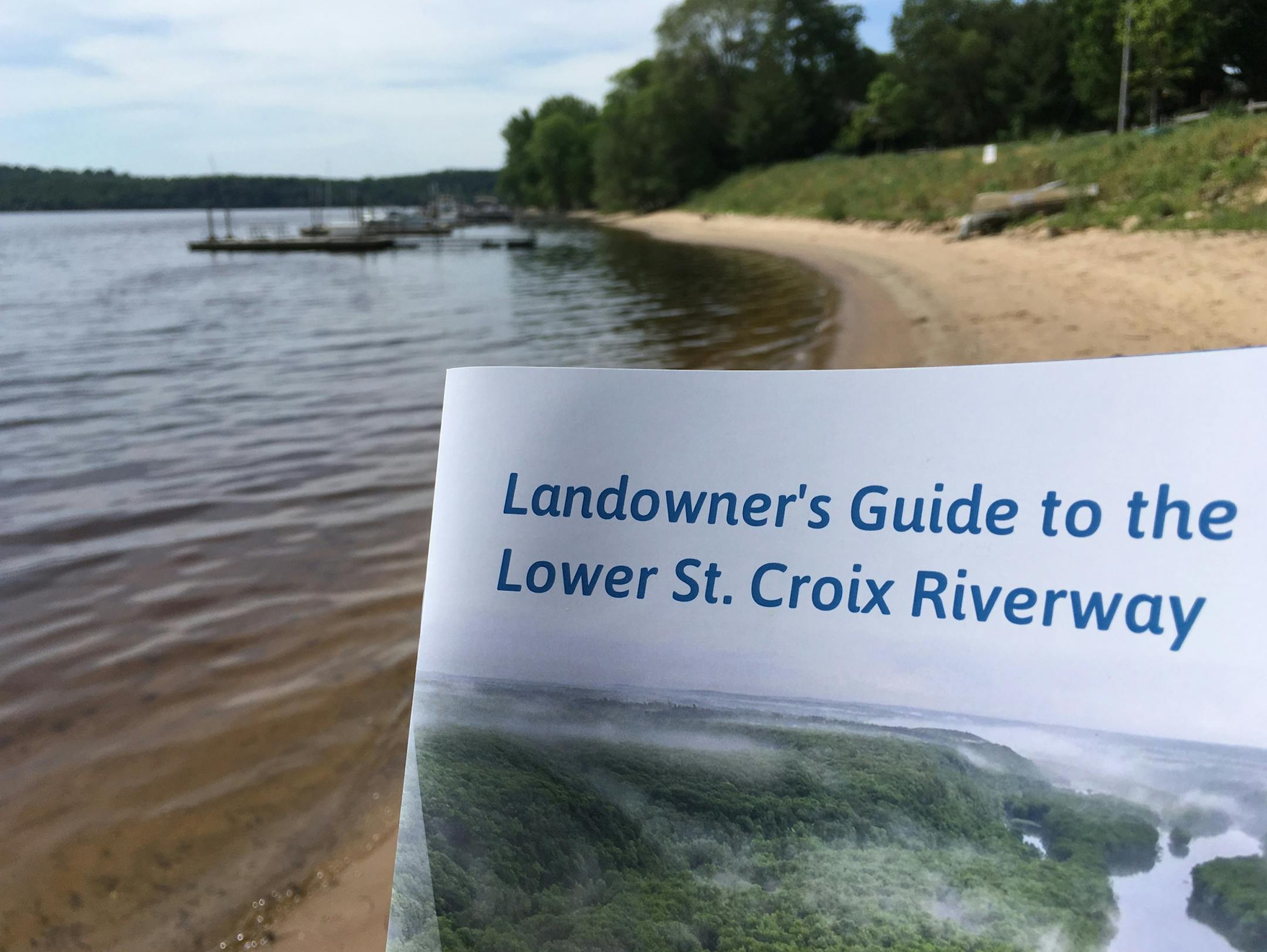
Unlike development on most of the nation's waterways, building a house on the St. Croix River is tricky business.
That's because the federally protected river has rules and laws to protect its natural look and prevent deterioration of water quality. Now a new "Landowner's Guide to the Lower St. Croix Riverway," available at city offices, addresses building restrictions within the riverway boundary.
"Everybody's saying this is long overdue," said Natalie Warren, who coordinated the project to acquaint landowners with the law before they invest money in building new structures or modifying old ones. She is employed by the St. Croix River Association through a three-year state grant to work with landowners, real estate developers and local governments on land-use regulations.
"We're hoping people will realize they can get what they want if they work with the right people," Warren said. "It helps the decisionmakers decide the full scope of the project."
Because local zoning ordinances sometimes can be more restrictive than riverway rules, the guide advises landowners to consult with city and township offices.
The 22-page color booklet addresses common riverway regulations, mapped generally within a quarter mile from the river's edge:
• Structures must be earth or summer vegetation tones, with dark roofs.
• Maximum height of new structures, and additions to existing structures, can't exceed 35 feet to ensure they won't be seen from the river. Different restrictions might apply for structures built before riverway regulations were adopted.