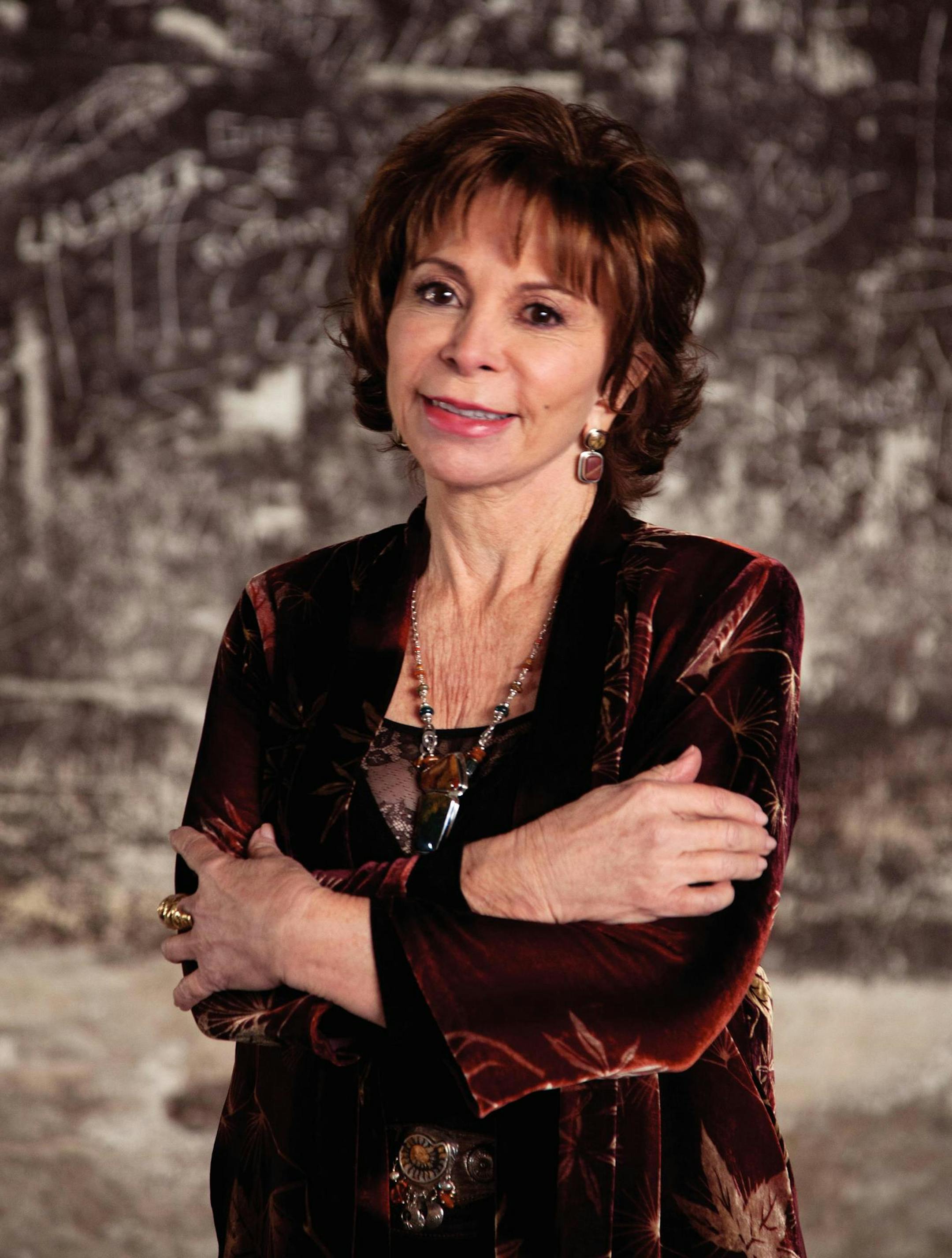
Since 1982, when she wrote her debut masterpiece "The House of the Spirits," and in the more than 20 books, fiction and nonfiction, she has written since — some fine, some forgettable — Isabel Allende has shown a strong grasp of what makes a story powerful.
Her empathy for people from all walks of life runs like a current through her work. Joy, grief, hatred, love, struggle, redemption, illness and healing play roles in all of her stories. She understands the power of memory, aging, forgiveness, of time itself to shape a life or a story.
Yet in her past few novels, her wisdom has been oversugared with sentimentality and Oprah-style psychology. Before we can even briefly observe a newly introduced character, she is telling us all about him or her, usually withholding one secret that we can easily guess. The dialogue is glib; the characters all sound just like the chipper narrator.
Thus, in her latest novel, "The Japanese Lover," you get conversations like this:
" 'I spent my youth searching for approval and adventures, until I really fell in love. Afterward my heart was broken and I spent a decade trying to pick up the pieces.'
" 'And did you succeed?'
" 'Let's say I did, thanks to a smorgasbord of psychology: individual, group, gestalt, biodynamic therapies. Anything I could lay my hands on, including primal scream therapy.' "
On the surface, the material is promising, dark stuff. Irina, a twenty-something survivor of childhood poverty in Moldavia and horrific sexual predation in Texas, takes a job at a funky home for the elderly — most of them old hippies and freethinkers — in the San Francisco area. There she meets Alma Balasco, a fiercely private, proud woman whose past is explored in flashbacks.