As the investigation of the Boston Marathon bombings illustrates, getting lost in the crowd is no longer an easy feat. There are eyes — and cameras — everywhere.
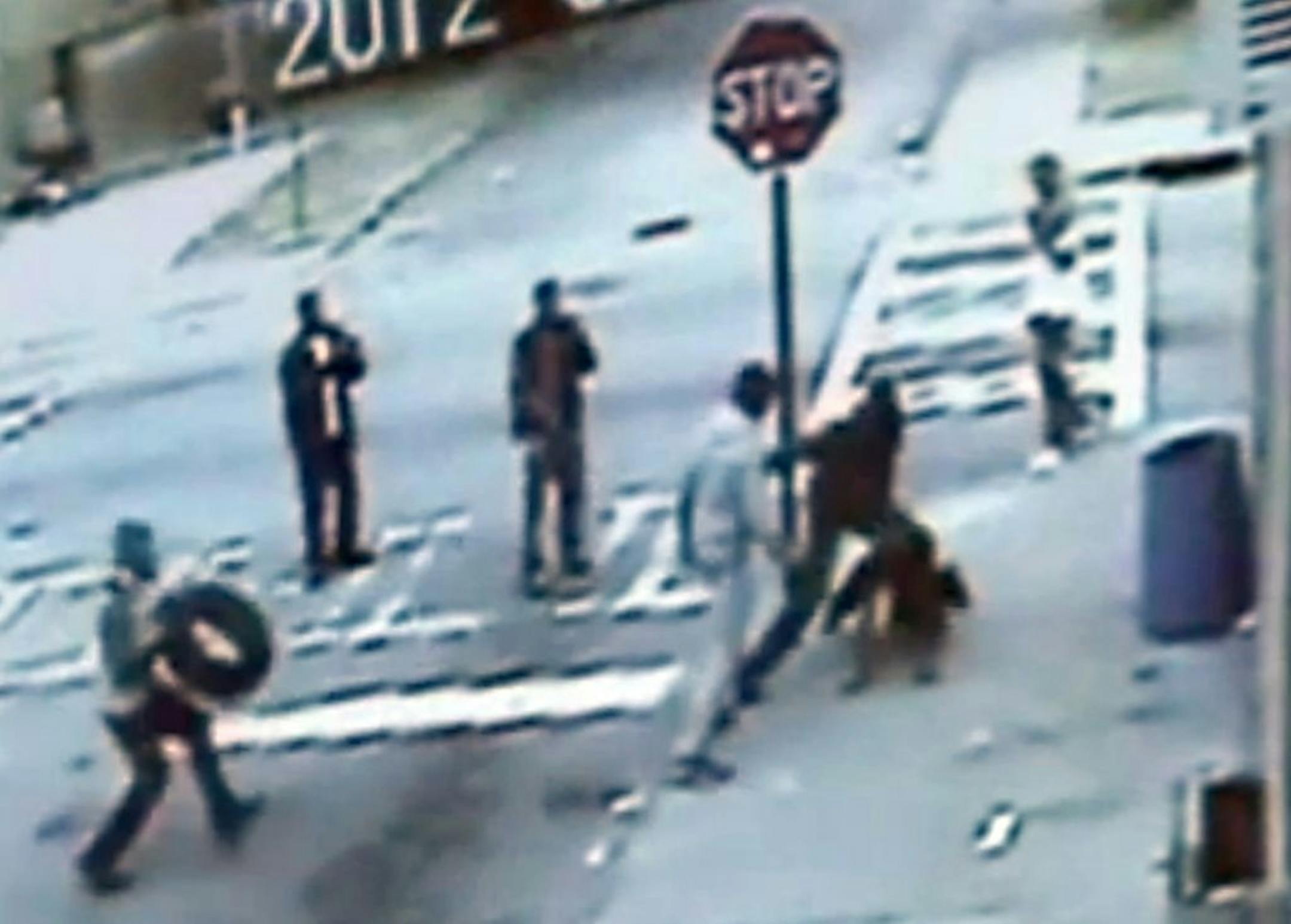
Investigators swiftly obtained a vast quantity of amateur photos and videos taken by onlookers, often with their cell phones, as well as extensive footage from surveillance cameras in the area of the blasts. The FBI released images Thursday from one of those cameras, zeroing in on two men in caps who proved to the suspects in the case.
One of the men was killed overnight in a gunbattle with police; his brother remained at large Friday.
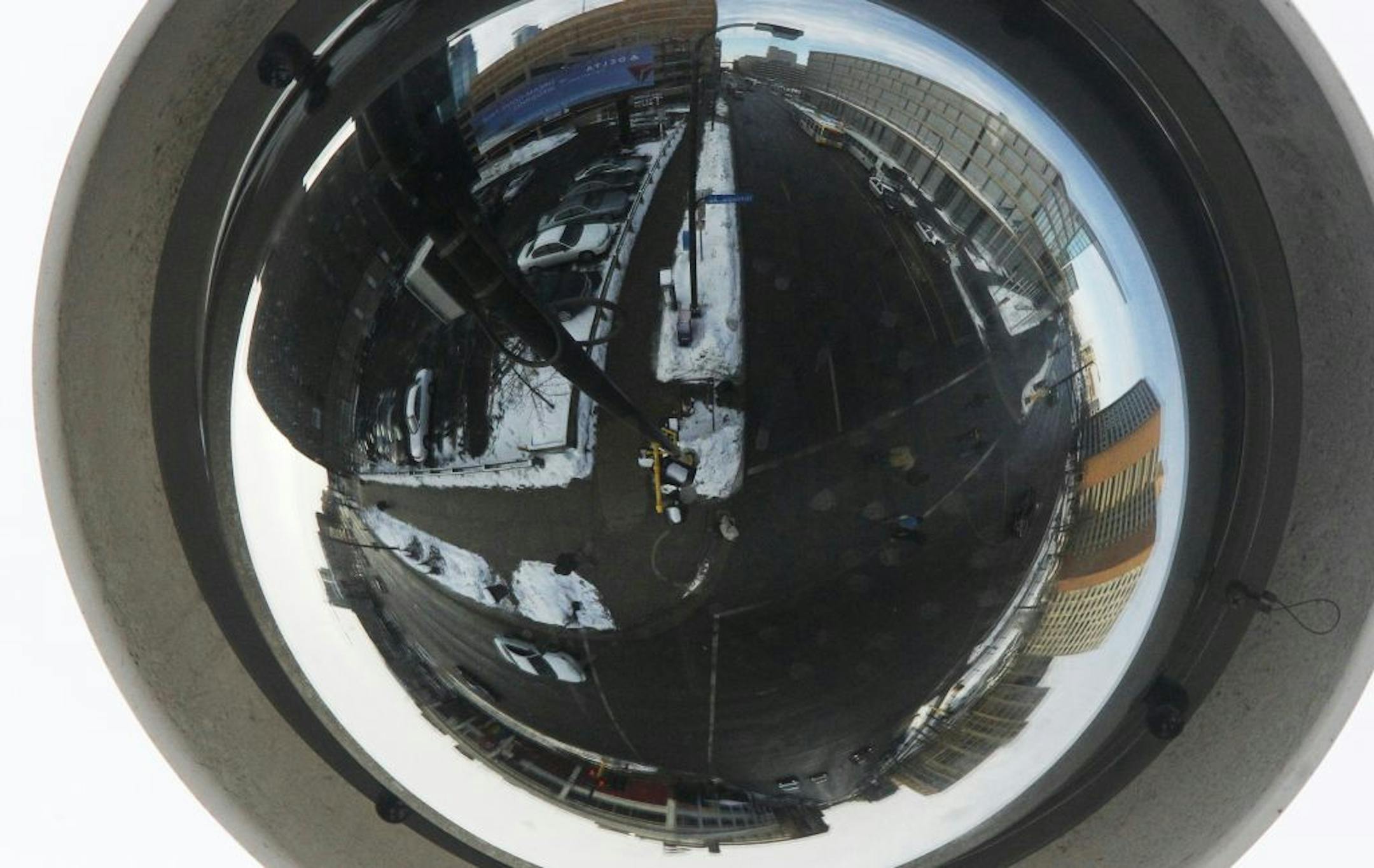
With the crucial role played by video in the Boston case, surveillance cameras — which have proliferated in London, Chicago and elsewhere — may take on new allure. Informal surveillance by private citizens may proliferate as well; the FBI says it expects the public to be its "eyes and ears."
The upside of this expanding surveillance network is clear — a greater potential for law enforcement to solve crimes and, in some instances, to prevent them. David Antar of New York-based IPVideo Corporation says video surveillance can be set up to trigger warnings if bags are left unattended or suspicious activity takes place before or during a large-scale event.
Is there a downside?
Some civil libertarians say yes. While they welcome any tools that can help solve a crime as brutal as the bombings, they worry about an irrevocable loss of privacy for anyone venturing into public places.
"It's now harder and harder to go about our lives without being tracked everywhere," said Ben Wizner, a lawyer with the American Civil Liberties Union who specializes in privacy and technology issues.