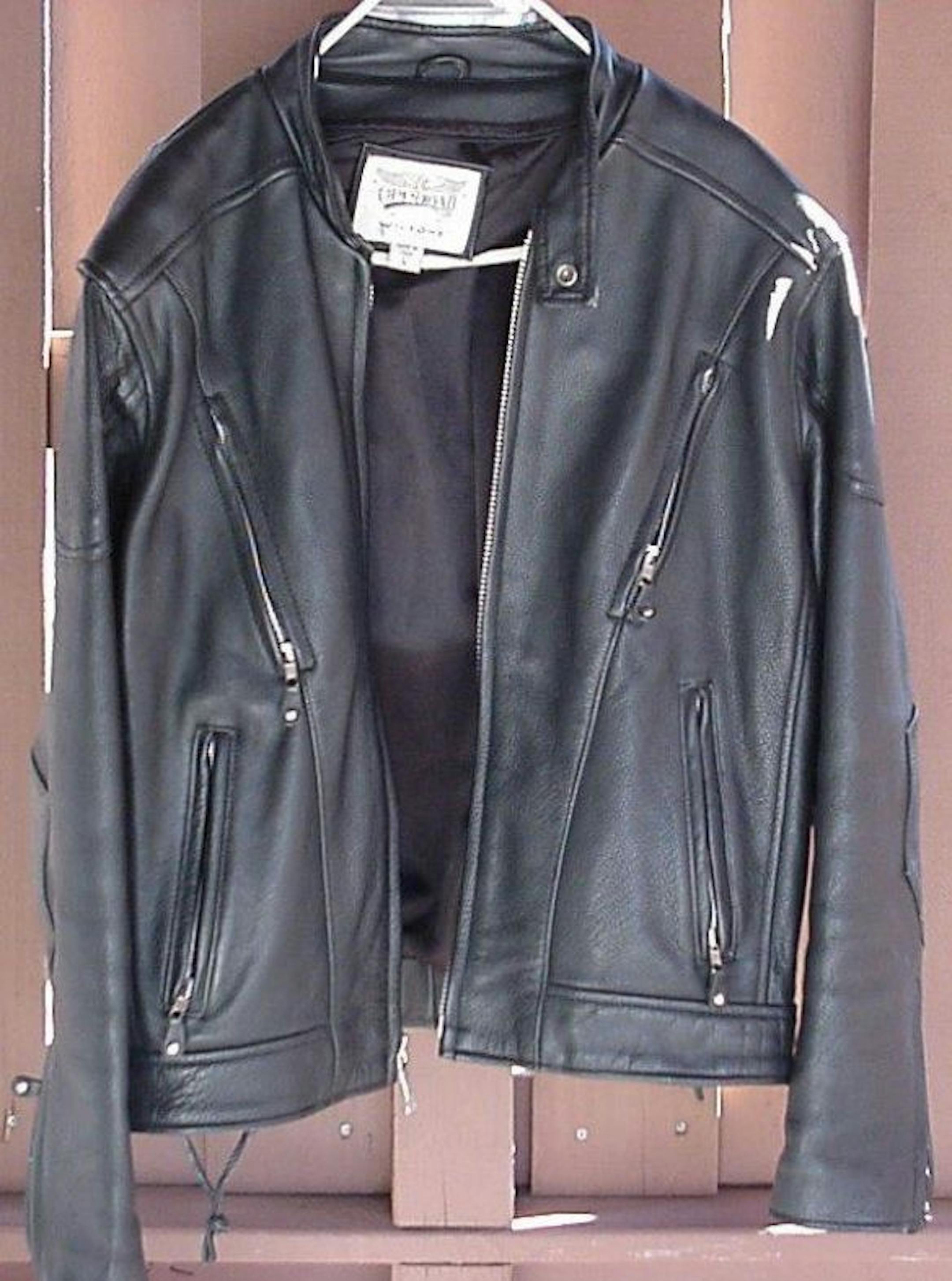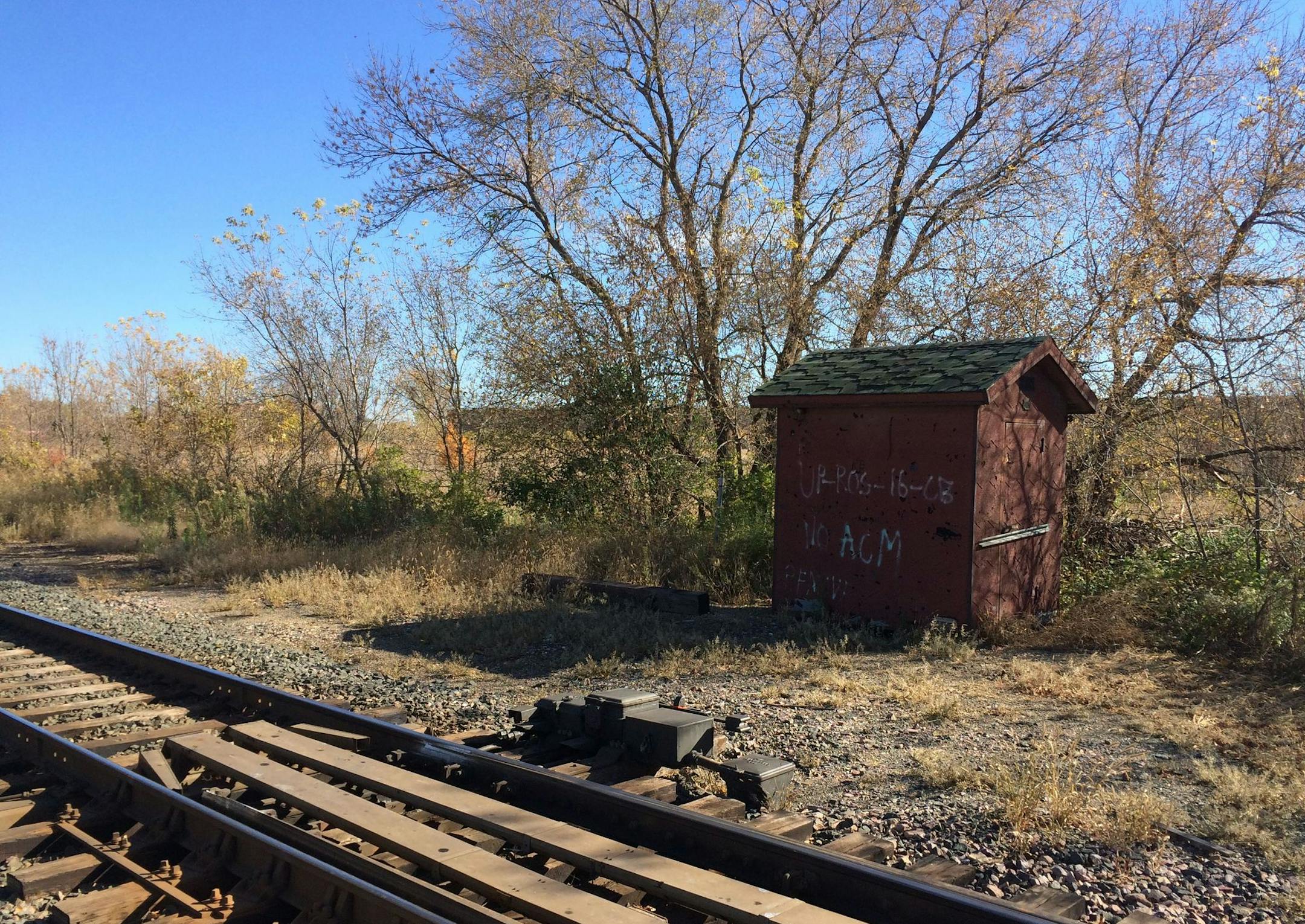
The man in the black leather jacket may have sought shelter from the cold when he climbed into an old shed by the train tracks in Rosemount. He did not come out.
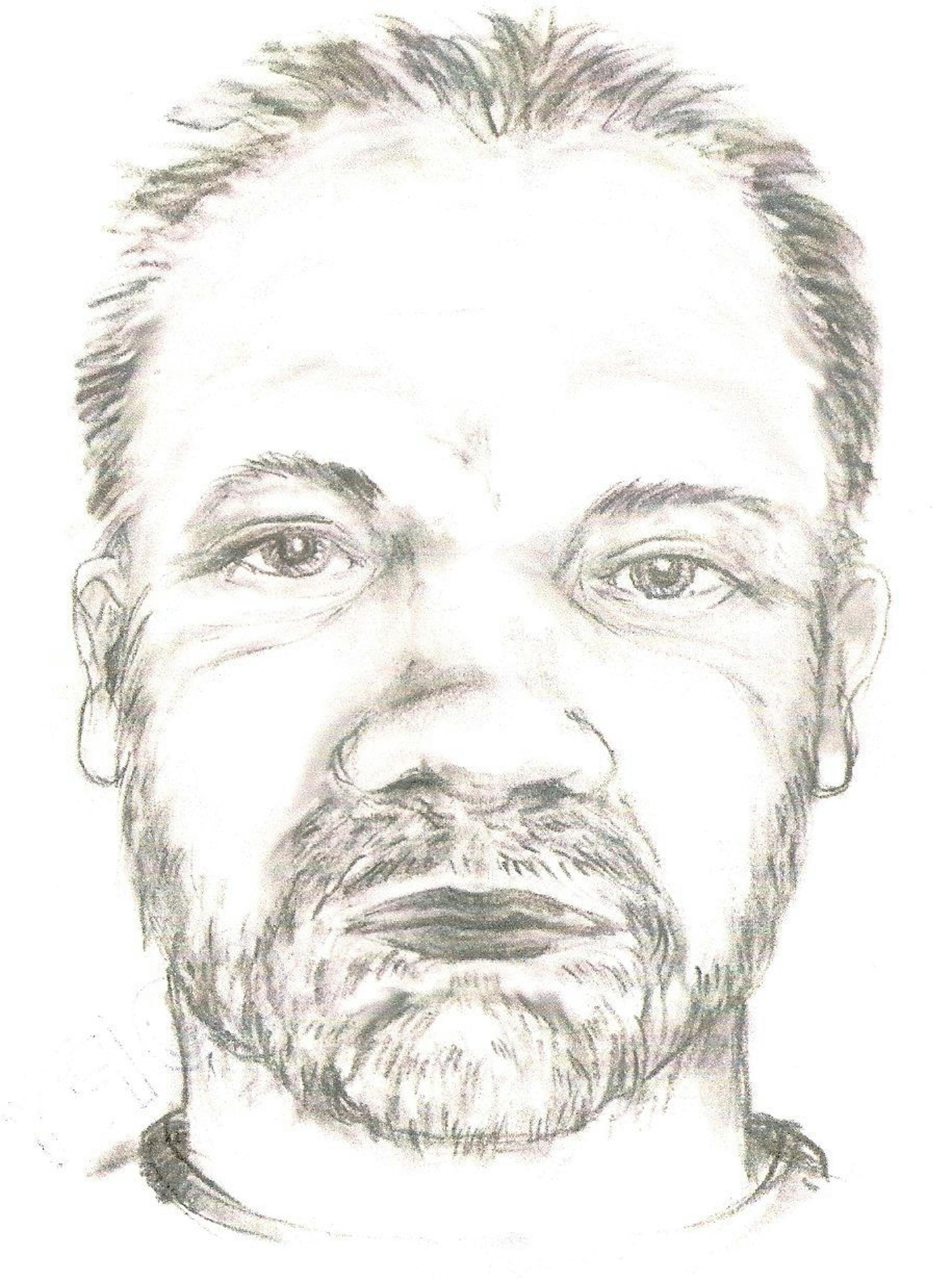
Months later, a railroad worker opened the door and found him there, still dressed in a Wilson's Leather motorcycle jacket, a striped button-down shirt and cargo pants. He was short but thickset, with long brown and gray hair, and wore metal-framed glasses and a hoop earring.
Yet the most unusual thing about him is this: The authorities have no idea who he is.
Just as the living cannot hide from the reach of modern technology, the dead have fewer and fewer ways of eluding identification.
Advances in DNA and other biometric analysis, the electronic trail of social media and a concerted national effort to match missing persons reports with unidentified remains have solved mystery after mystery, often within hours, and in some cases, put names to bodies that had been John or Jane Does for years.
Last year, the Minnesota Bureau of Criminal Apprehension appealed for people with missing family members to donate DNA samples, as part of its campaign to identify at least 100 sets of human remains stored at medical examiner's offices around the state.
The National Missing and Unidentified Persons System (NamUs), a publicly accessible national database, currently has 9,862 records of unidentified remains nationwide.
Todd Matthews, communications director for NamUS, suspects the number is closer to the 40,000 estimated by the U.S. Justice Department a decade ago. But Matthews is also seeing cold cases solved so frequently that it has become almost routine.