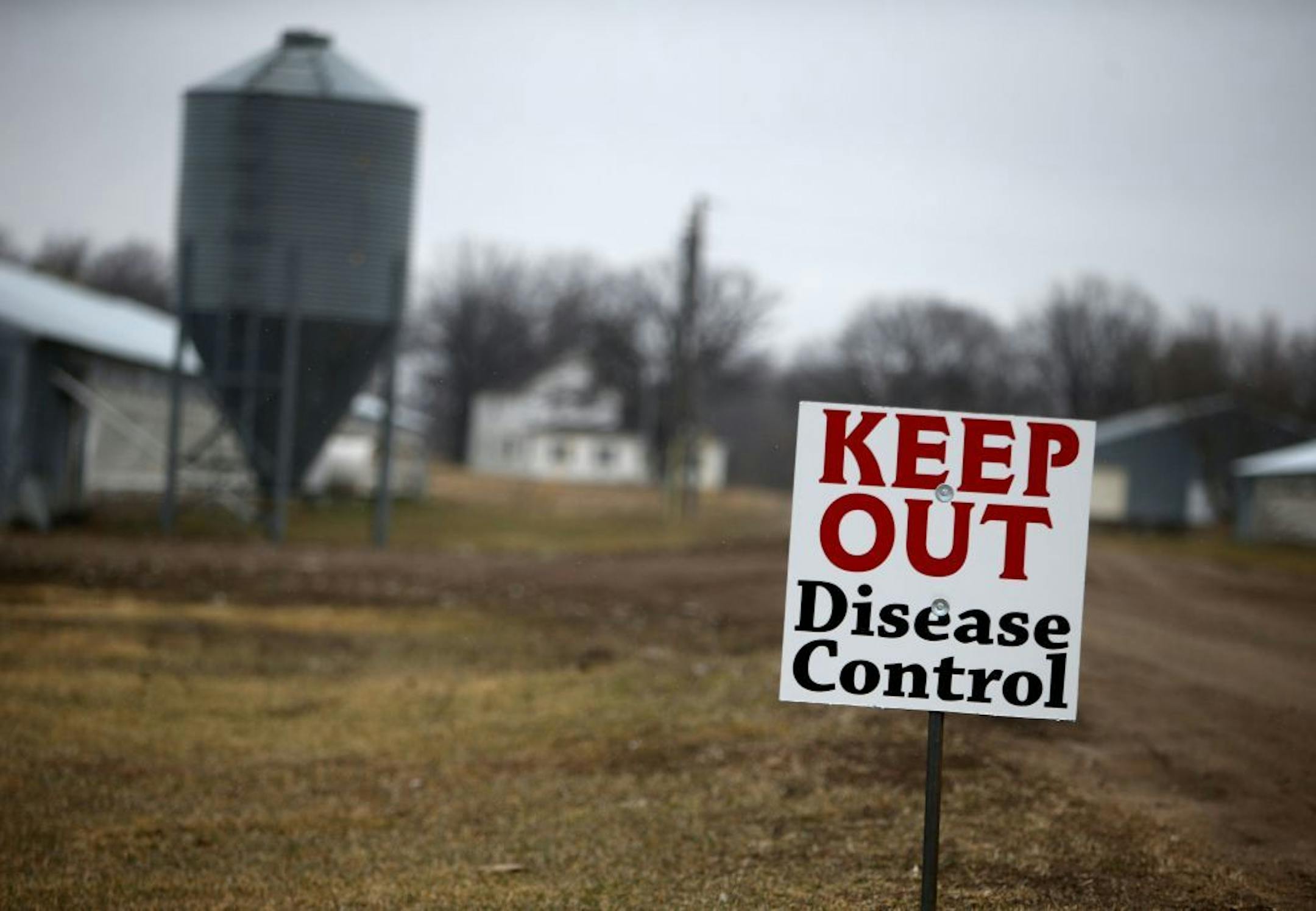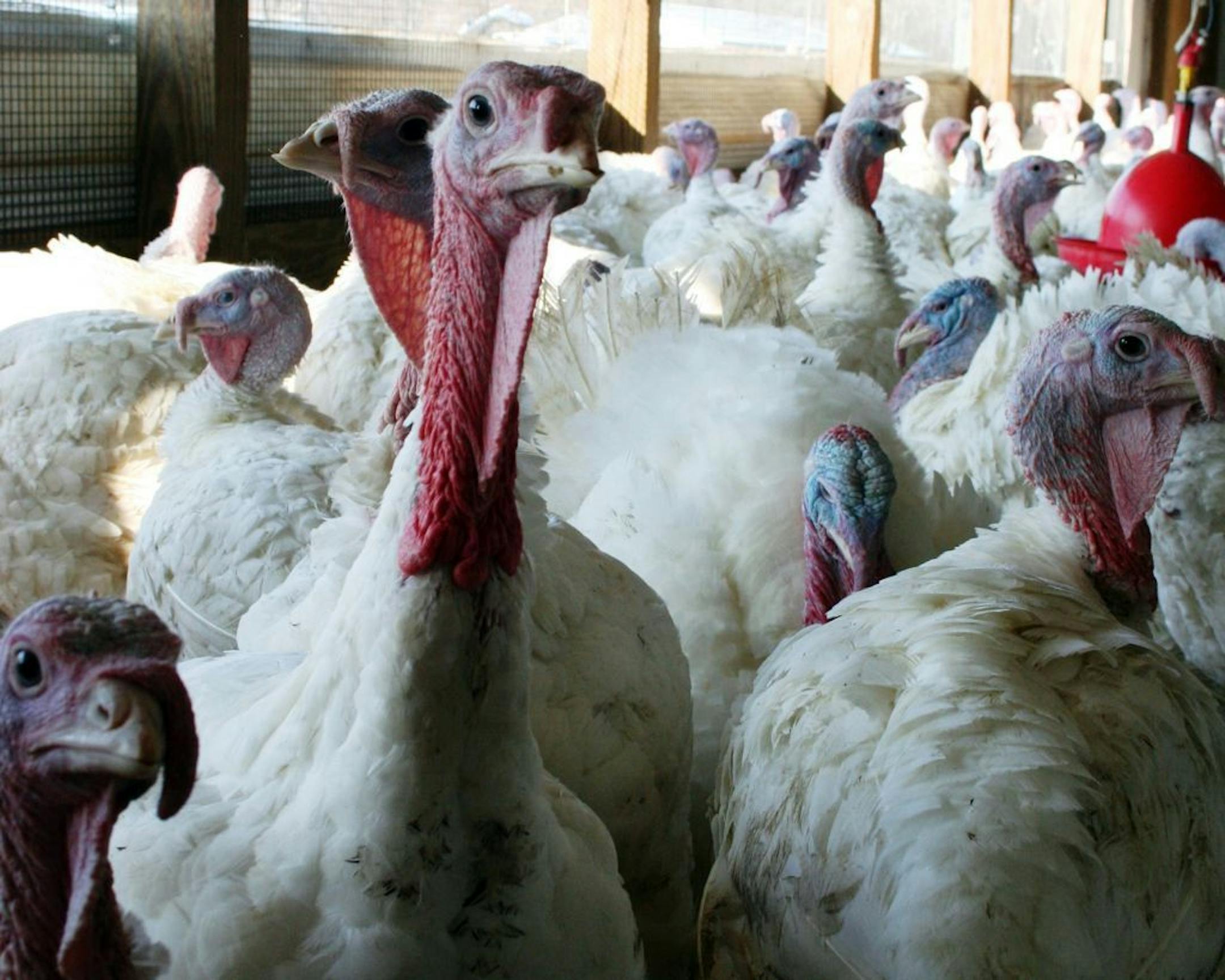
Last year at this time, Minnesota turkey growers were in the middle of a full-blown disaster, the likes of which they'd never seen.
Between March 4 and June 5, the highly pathogenic H5N2 bird flu claimed about 5 million turkeys and 4 million egg-laying chickens on more than 100 farms in the state. Minnesota, the nation's No. 1 turkey producer, lost 10 percent of its production.
This year? Nothing.
All growers are back at full production, except for one egg farm. The trepidation has not yet gone away, though. Farmers live with the fear of it happening again, and also the expense of taking security precautions in hopes of keeping the flu at bay if it reappears.
The University of Minnesota Extension reported that lost turkey and egg production and processing because of bird flu cost the state's economy nearly $650 million in 2015, including about $240 million in direct losses to poultry producers, $65 million in direct processing losses, and $170 million in lost wages, salaries and benefits.
Despite those costs, scientists don't know for sure how the bird flu reached Minnesota and how it spread so quickly. The virus showed up in the Pacific Northwest in December of 2014 and jumped to the Midwest in spring. It killed nearly 50 million birds in 21 states, mostly commercial poultry. Only Iowa — where 29 million birds died, mostly chickens — was hit harder than Minnesota.
Viruses are always changing, said Minnesota Board of Animal Health Assistant Director Beth Thompson, and it's clear that some part of the H5N2 virus originated in Europe and Asia, and likely spread through migrating birds.
"What type of birds, and whether it's the fall migration or the spring migration, there are still a lot of questions about that," said Thompson. "Across the country everyone is still looking at the virus and trying to understand what happened."