

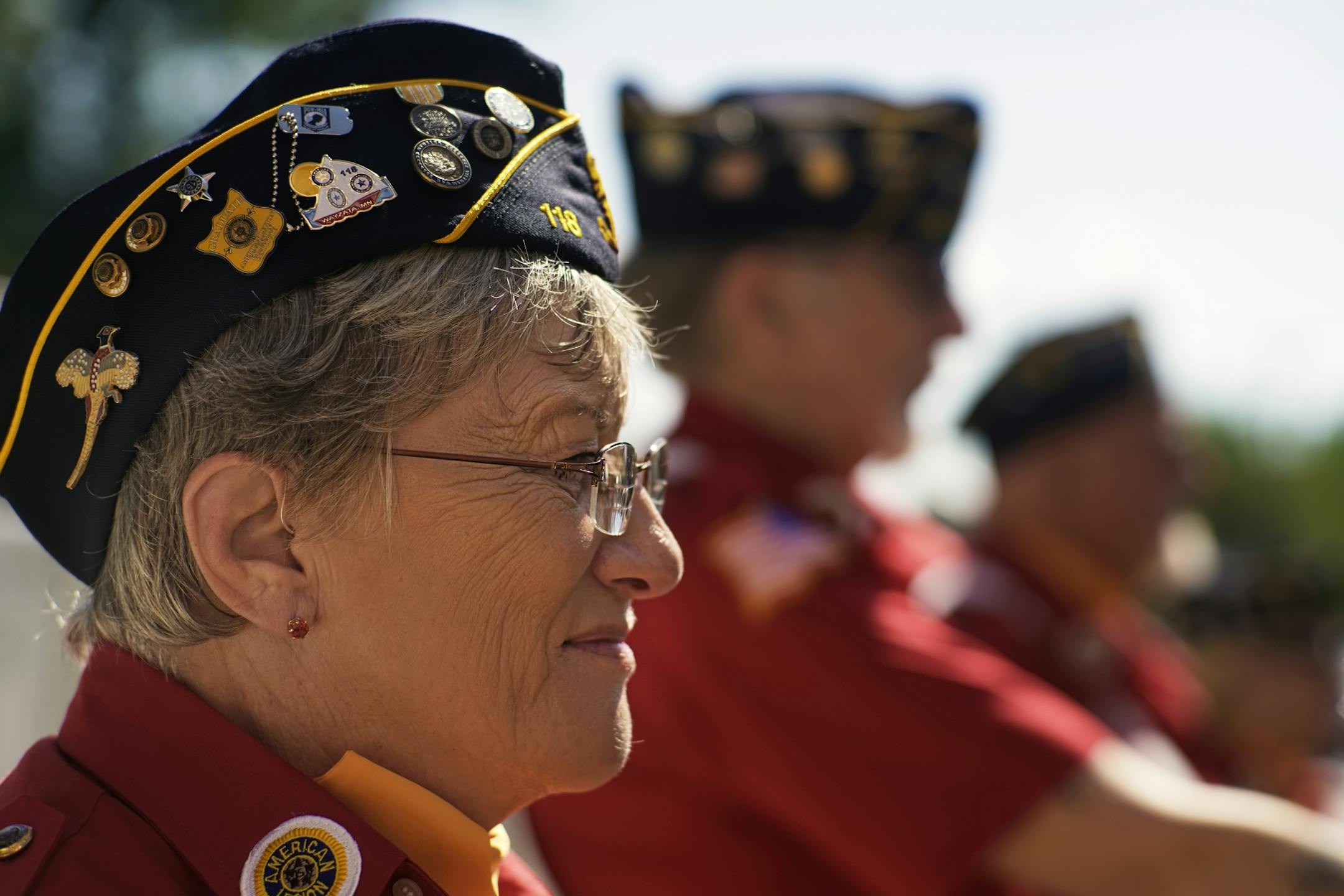
The faces of Minnesota's veterans are changing. As time goes by, they are more likely to be younger, more likely to be female and less likely to be white.
Those changes will filter throughout society for years and have an impact on what it means to be a veteran, as well as put new strains on resources and tax dollars.
Simple demographics will bring some big changes, as well.
The bubble of Vietnam veterans in Minnesota is so huge that the state's 330,000 veteran population is projected to dramatically decrease to about 186,000 by 2036 as Vietnam era vets die off. Nearly 70,000 of those who remain will be post-9/11 Gulf War veterans.
Even with the decline, getting care to those veterans will present a challenge. The greatest number of veterans – more than 56,000 – are in Hennepin County, the state's most populous, but they account for just 6 percent of the population. Rural counties, especially in the northern part of the state, have rates that are more than 12 percent, setting the stage for more debate about getting them access to care.
Advances in technology and battlefield medical care have kept many post-9/11 veterans alive after what would have been mortal wounds in Vietnam and Korea, or during World War II.
A 2005 Harvard study estimated that in World War II, 30 percent of soldiers died from combat wounds and in Vietnam, 24 percent of the wounded died. In Iraq and Afghanistan, despite the horrific increase in the destructibility of weapons, mortality has dropped to 10 percent.
Those who have survived with injuries are likely to linger and their injuries will become more chronic as they age.


