

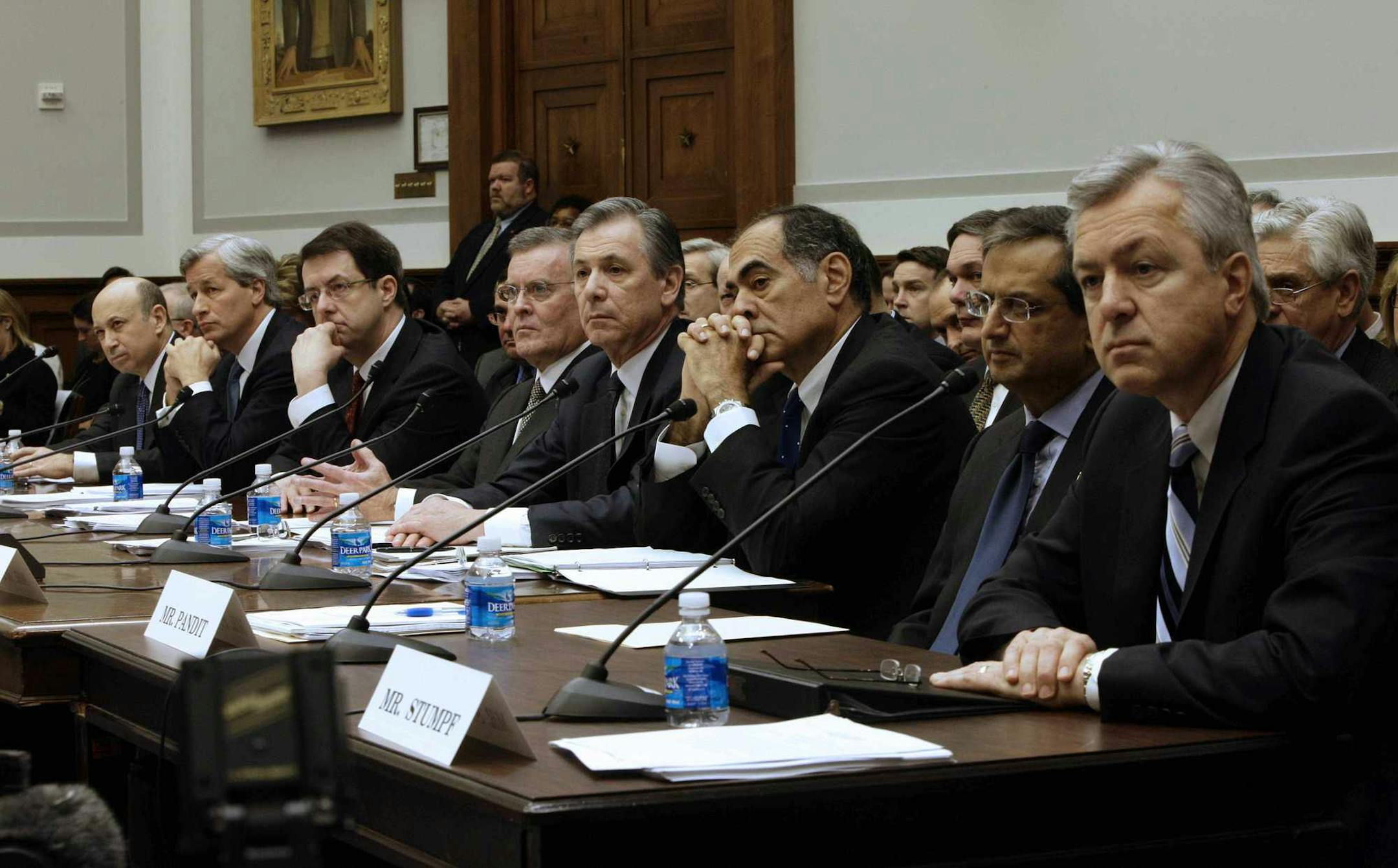
The United States is about to enact an even larger and more encompassing bailout than the one I helped oversee as the special inspector general of the Troubled Asset Relief Program in 2008. That means Americans will once again have to grapple with the inherent unfairness of letting the government pick winners and losers, along with the potential for fraud and scandal that always accompanies the distribution of so much money in such a short time.
I've been one of many critics of the policy failures of the previous bailout. But let's not forget that strong and effective oversight was one of the clear successes of the 2008 program — or the painful lessons it taught.
First, strings must be attached to funds handed out to businesses crippled by the fallout from the coronavirus pandemic, and vigorous independent oversight is necessary to ensure compliance with them. Otherwise there will be no way to achieve the policy goals that the bailout intends to accomplish.
There was a startling absence of any such strictures in 2008-09. When the Treasury Department provided hundreds of billions of dollars to U.S. banks, it said that doing so would restore lending and provide relief to struggling homeowners. But it then refused entreaties to establish conditions that would ensure such a result.
It was only the transparency brought through oversight (including an audit by the special inspector general's office of the banks' uses of funds) that made it clear that the banks did just about everything with their bailout money other than increasing lending or helping homeowners. While care must be taken to make sure that any conditions are not so onerous or unrealistic that they defeat the purposes of the bailouts themselves, smart, narrowly tailored requirements will be the difference between failure and success.
Second, although granting a certain amount of discretion to policymakers implementing the bailout is necessary to allow them to adapt to changing circumstances, giving them too wide a lane can lead to poorly thought-out decisions. Examples from the financial crisis identified by the special inspector general and the other oversight bodies included backdoor bailouts conducted in secret and otherwise shielded from the taxpayers funding them. One of the worst lapses involved the bailout of American International Group's Financial Products division, in which the government used taxpayer money to secretly pay off the failing insurance company's Wall Street counterparties to the tune of tens of billions of dollars for securities worth less than half of what the government paid.
There's also a danger now of picking bailout recipients based more on their political connections and the power of their lobbyists than the merits of their applications. Without the powerful disinfectant of sunlight provided by robust oversight, there is an intolerable risk that the disease of corruption will spread like the coronavirus itself.
Third, agencies will make significant mistakes as they roll out programs, and tight oversight will be needed to correct course given the reluctance in Washington to admit error. The Treasury's programs to fulfill TARP's mandate to help homeowners were an egregious example of how badly awry things can go. As originally implemented, they included policies that condoned predatory actions by the banks' mortgage-servicing arms that left many homeowners worse off as a result of participating in the programs. Without scathing reports from the oversight bodies and subsequent congressional hearings, those rampant abuses — which Treasury had characterized as successes — would have continued unabated.


