

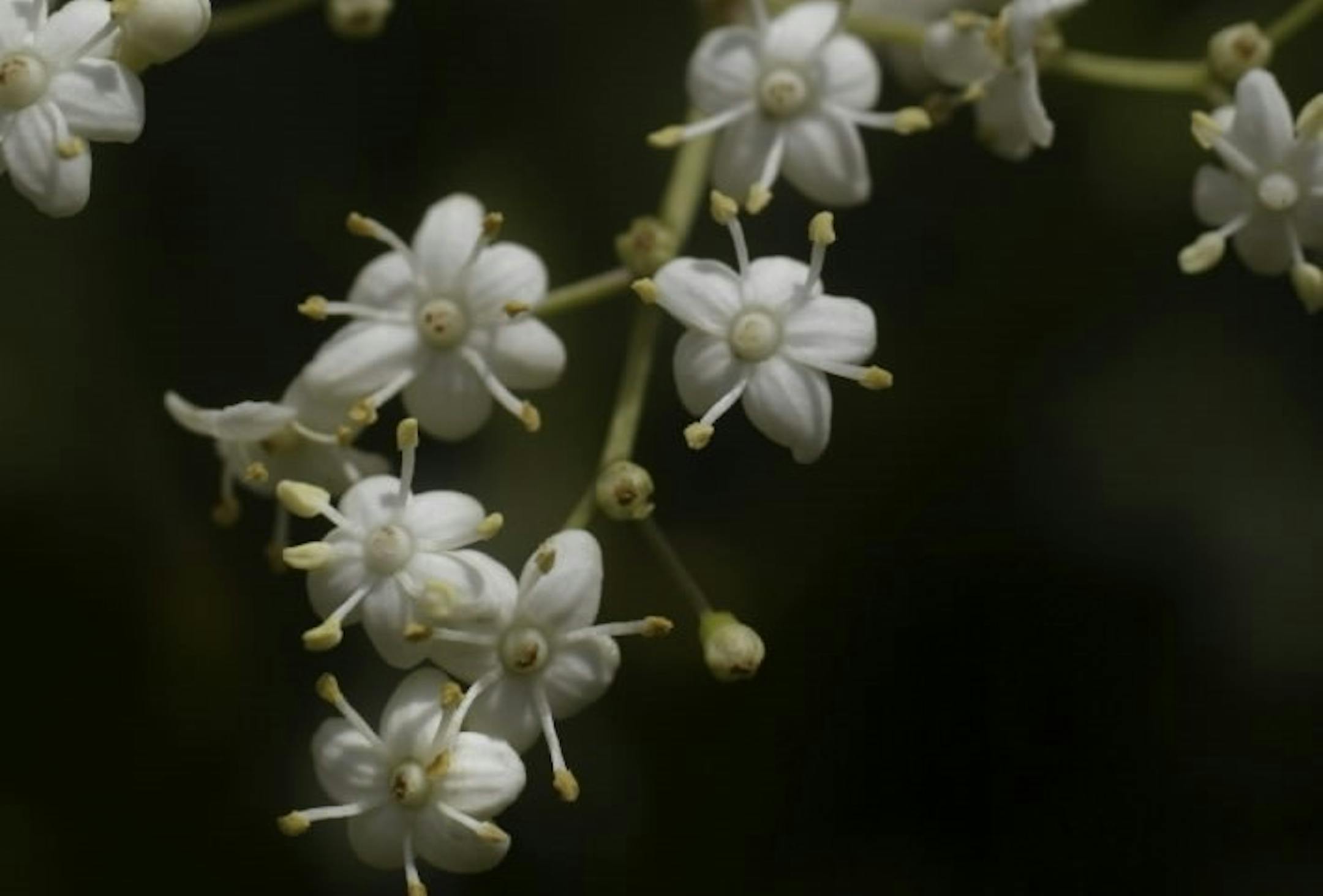
"Baby's breath." The very name hints at gentleness, a perfect label for a plant best known for airy sprays of tiny flowers that act as a bouquet backup to more spectacular blooms.
So you're likely to do a double take at Camp Ripley (the National Guard training facility near Little Falls, Minn.) and around Park Rapids and Brainerd, where robust stands of baby's breath have popped up in the landscape. With a taproot and a tendency to break off and bounce across the ground like a tumbleweed, spreading seed as it goes, baby's breath has become enough of a thug at Camp Ripley that alarmed officials are spraying fields with herbicide.
Is baby's breath on its way to joining other once-valued garden plants that are now on the state's blacklist of invasives that threaten Minnesota's environmental or economic health? Possibly.
"I'm an avid gardener," said Monika Chandler, invasive plant expert with the Minnesota Department of Agriculture (MDA). "When we learn that a plant is invasive, it's a serious bummer for us, too. These have been really popular plants."
Over the past 200 years, several thousand foreign plant species have naturalized in the U.S., and about one in seven have become invasive, according to Cornell University. Many of those plants were imported for their value as landscape and garden plants.
Thirty years ago, pink-flowered crown vetch was widely planted to stabilize slopes along Minnesota highways and roads. Purple Japanese barberry, with its thorns and fascinating shiny oval fruit, was a fixture in foundation plantings around homes. Buckthorn hedges were common in older neighborhoods. And I bought supposedly sterile hybrid lythrum from one of the nation's best-known perennial merchants, planted it in my garden and loved the plant for its beautiful flowers and statuesque presence in the perennial border.
Noxious weeds
Today, crown vetch and buckthorn are on the MDA's restricted noxious weed list and cannot be sold or intentionally planted in the state. Lythrum, better known by its common name purple loosestrife, is on the MDA control list to prevent its spread. (My plants produced seedlings within a couple of years, of and I removed them.) And next year, Japanese barberry will join crown vetch on the noxious weed list. Birds eat and spread barberry seeds, producing brawny green barberries that naturalize in the woods.
The MDA works with agriculture, natural resource, environmental groups and "green industry" partners like plant nurseries to manage invasive plant threats. Progress has been made, Chandler said. Purple loosestrife has taken a serious hit from an imported leaf-eating beetle that defoliates the plants. Oriental bittersweet, an aggressive cousin of the native American bittersweet, was identified in the state in 2011 and is on the MDA's list to eradicate. Garden centers in the state stopped selling the plant, and the MDA worked with private landowners, cities and the Department of Natural Resources to get rid of the bittersweet. Working with the University of Minnesota, the state has experimented with using drones to spot the invasive bittersweet on hard-to-access river bluffs and other rough terrain.

