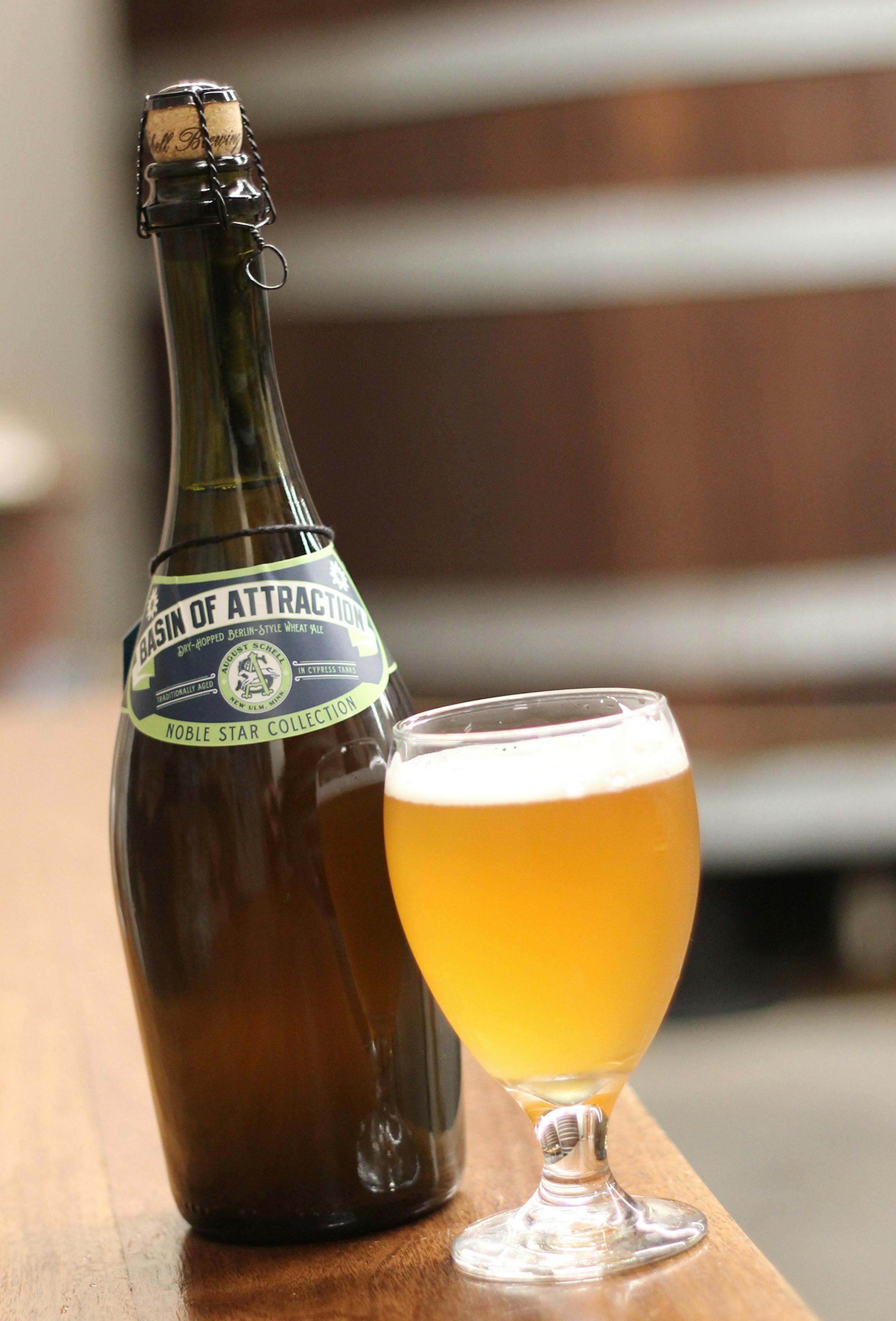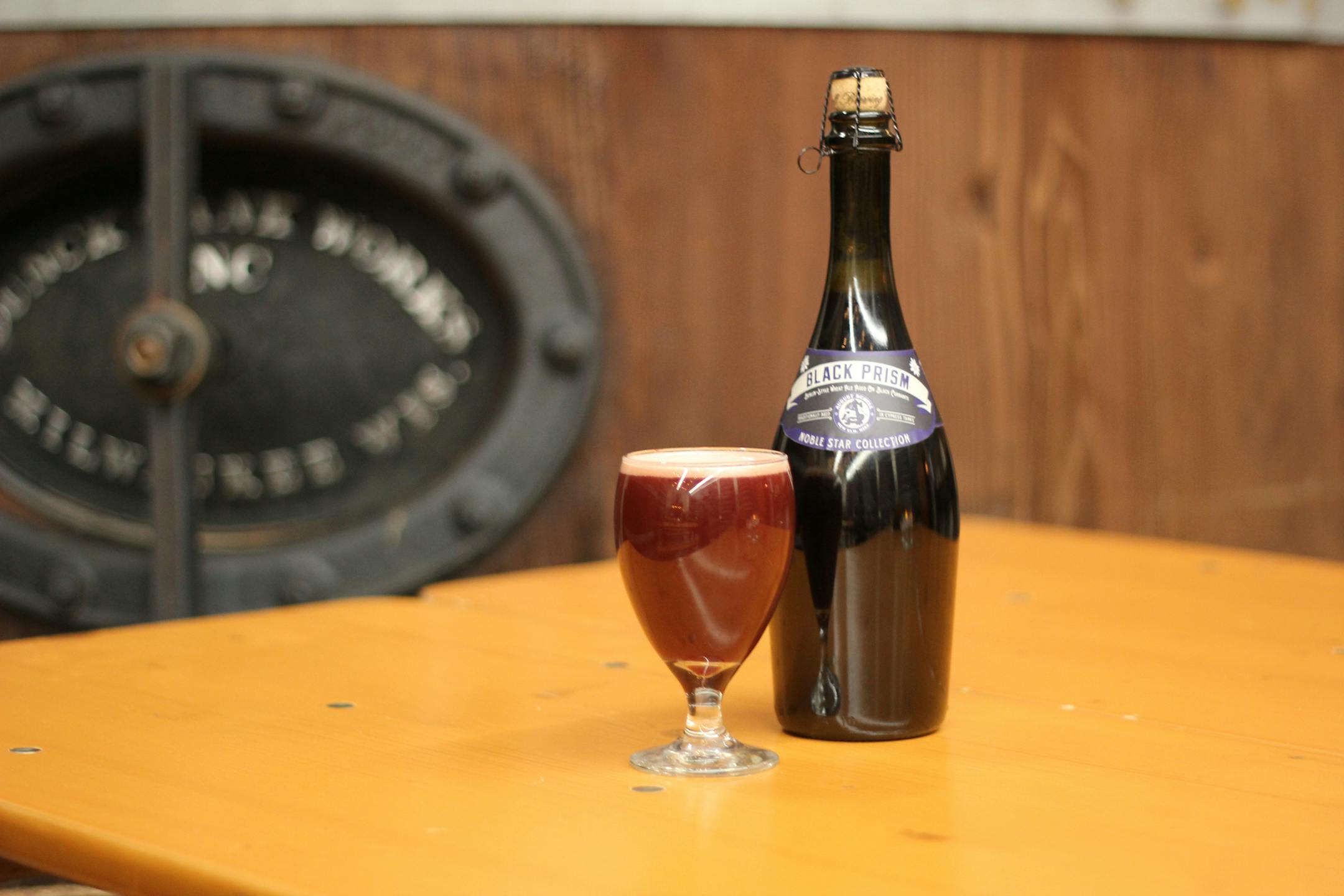
During an extended stay in Germany many years ago, I enjoyed spending spring afternoons sitting at an outdoor cafe, sipping a Berliner weisse. It was light, tart, spritzy and oh-so-refreshing on a lazy, sunny day. A dash of raspberry syrup in the beer brought a fruity sweetness that capped the perfection of the moment.
What, exactly, was this marvelous elixir?
Berliner weisse is one of the few survivors of the many "white" beer styles that once existed throughout Europe. Different towns and villages developed different versions, based on local resources, customs and laws.
Historical evidence of a white beer particular to Berlin reaches into the dim past. How far back?
"I don't know. A long, long, long time," says Kristen England, head brewer at Bent Brewstillery in Roseville and education liaison for the Beer Judge Certification Program, an international nonprofit that publishes a widely used set of beer-style guidelines.
"I think how it's changed is a way cooler story than where it came from," adds England. Early in its history there were many kinds of Berliner weisse.
"They had doppel weisse. They had märzen weisse. Anything you can look at in German beer, you can translate that directly over to Berliner weisse. Bock. Doppelbock. Altbier. Sticke alt. There were versions all over the map."
By the late 19th and early 20th centuries, Berliner weisse had coalesced into the beer that we now think of as traditional. Today Berliner weisse is a light, effervescent, wheat-based beer with alcohol levels of around 3.5 percent. The dominant characteristic is a lemony tartness derived from lactic fermentation. Some examples may have a faint earthy or barnyard character indicating the presence of Brettanomyces yeast.