If you go to the Bell Museum, don't go hungry.
"Our Global Kitchen," an exhibit on how food is grown and eaten throughout the world, starts with a single question: "What will you eat today?"
If you happen to press the button on some of the displays, the answer to that question will likely be chocolate, popcorn and garlic, the scents of which come out of a clear box in a poof.
Should you click on the tabletop video screen to get a bird's-eye view of a dish being prepared, you may find yourself with a hankering for poached eggs with hollandaise.
And if you stroll past wall-mounted examples of square-grown watermelons, your mouth may water for them.
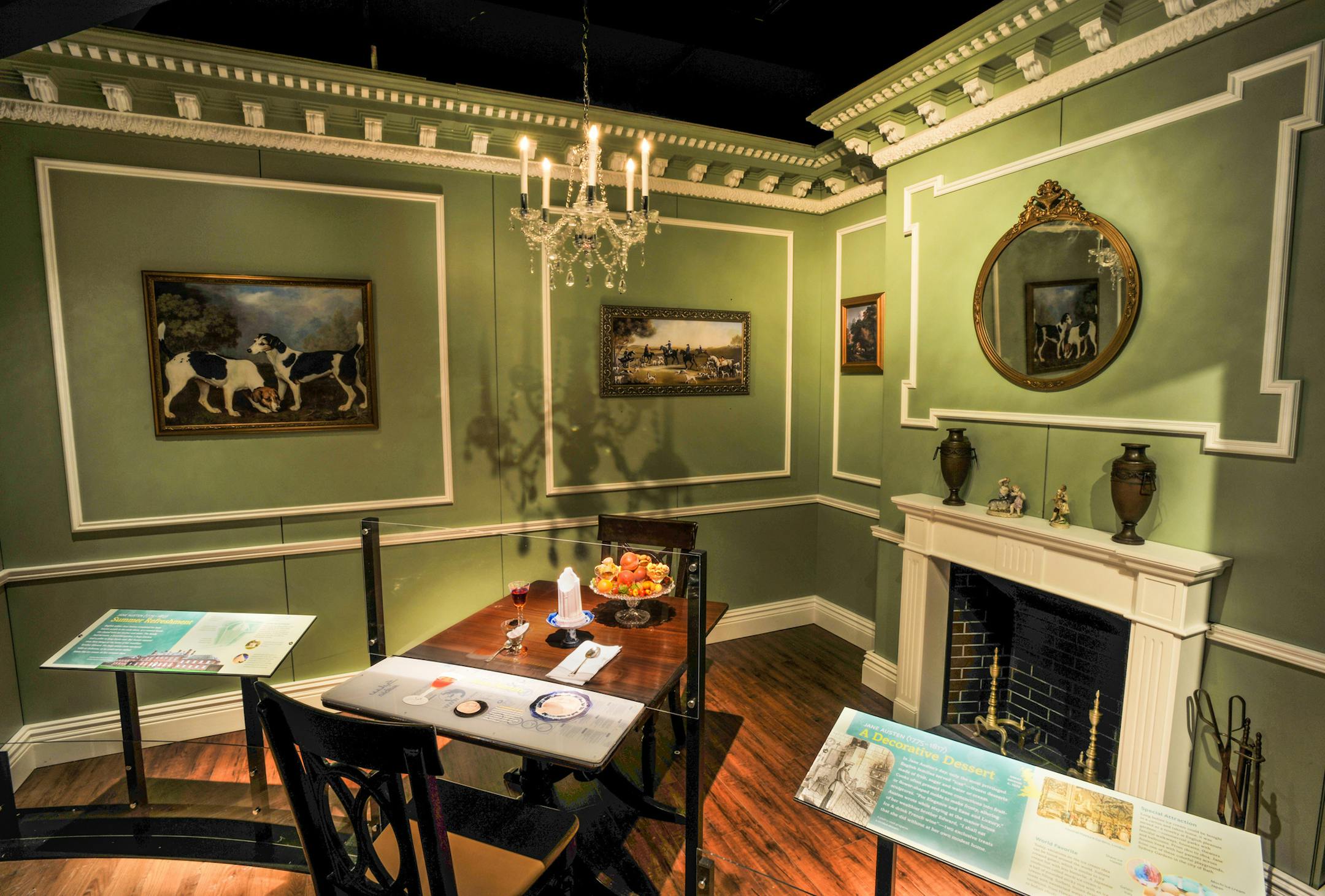
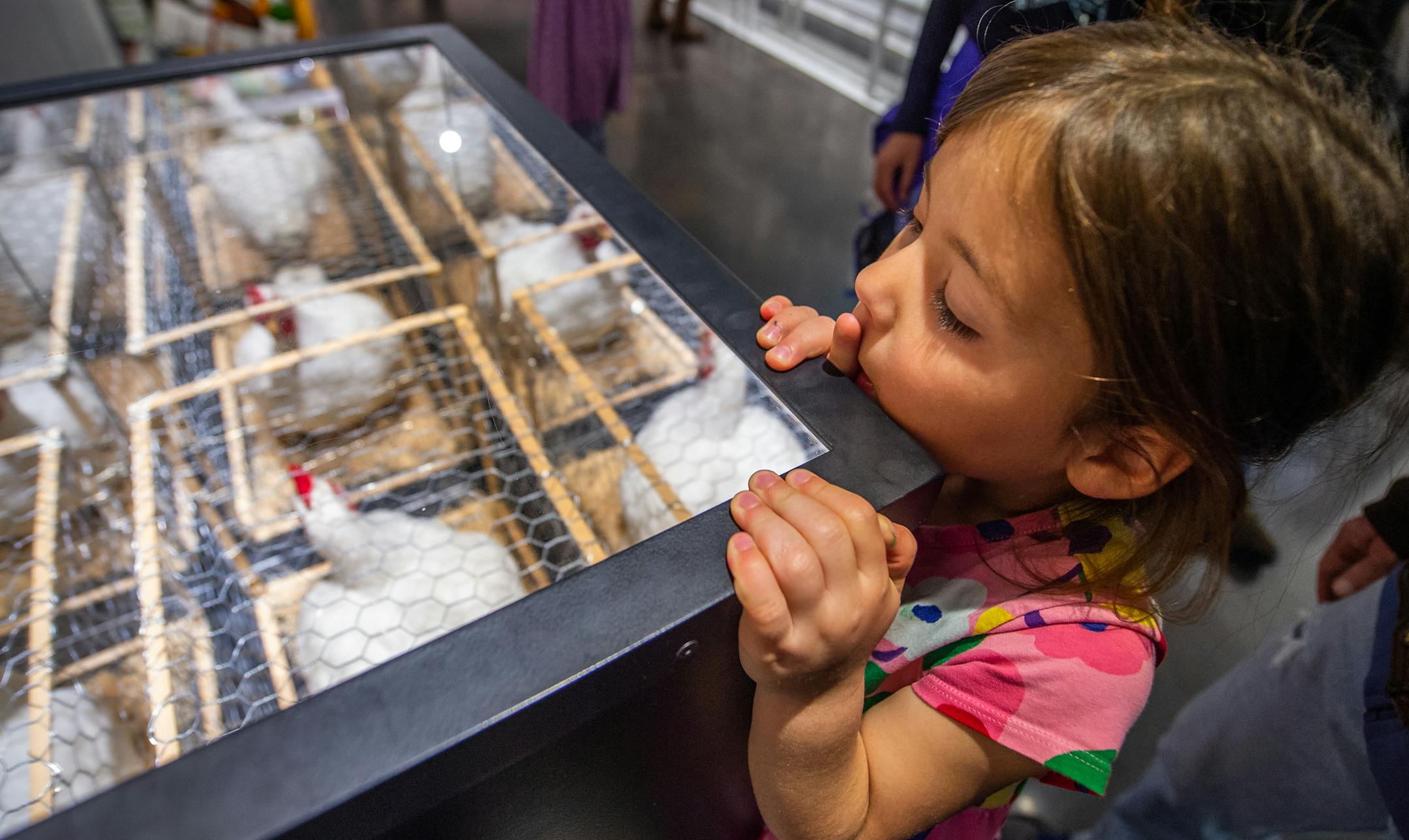
The exhibit, on loan through Jan. 6 from the American Museum of Natural History, takes visitors on a journey from seed to trade and oven to table. For the Bell Museum, which is part of the University of Minnesota's College of Food, Agricultural and Natural Resource Sciences, the exhibit launches conversations about some of the biggest questions surrounding food today — and researchers at the U are trying to answer many of these.
"Having an exhibit about food from farm to table was a really nice way for us to connect with university research," said Holly Menninger, the museum's director of public engagement and science learning. "And who doesn't like talking about food? Everybody has a food story."
Some of those questions have to do with food waste and the environment, animal welfare and urban development, and disparities over access to food in different regions across the globe.