

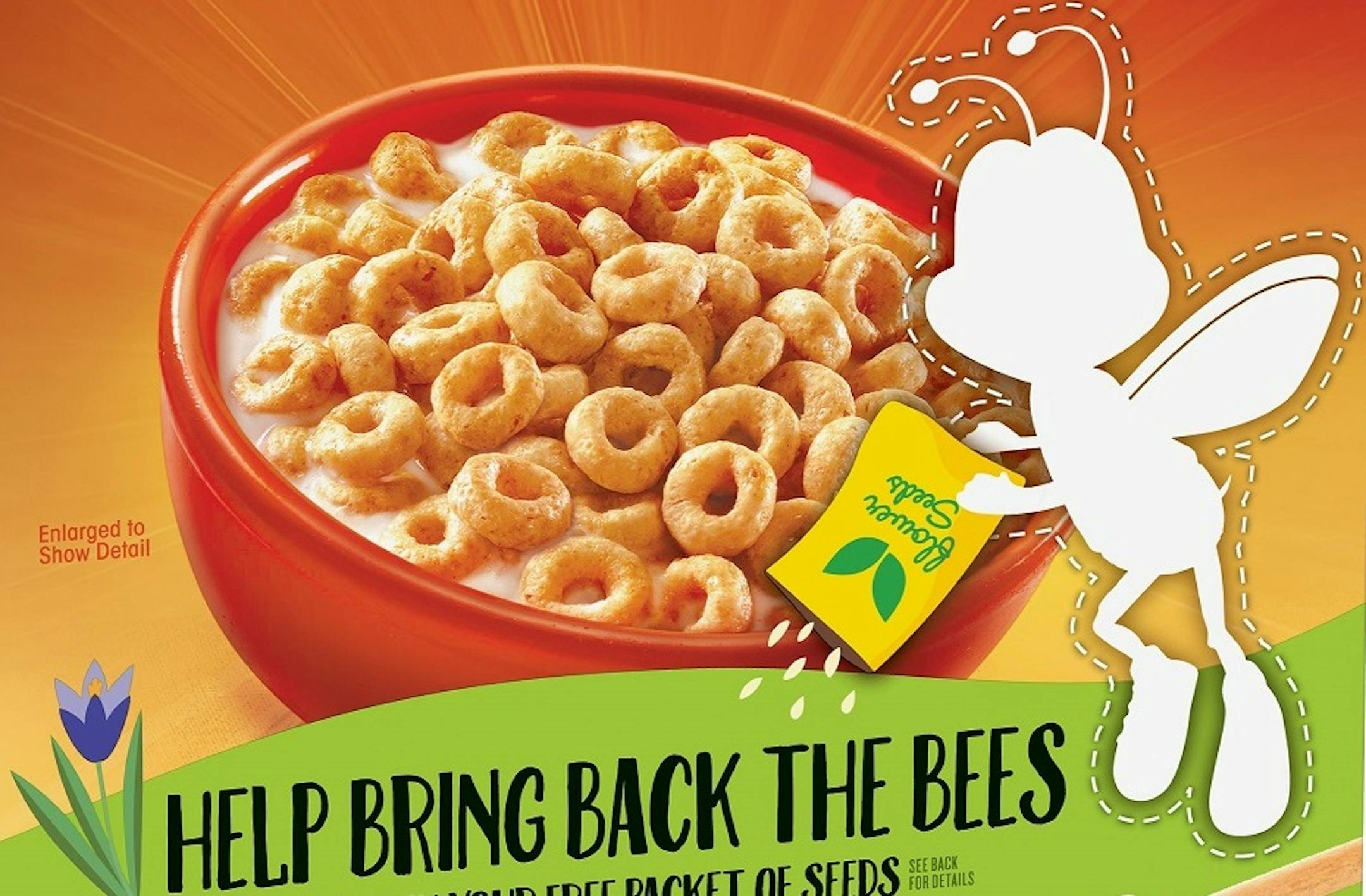
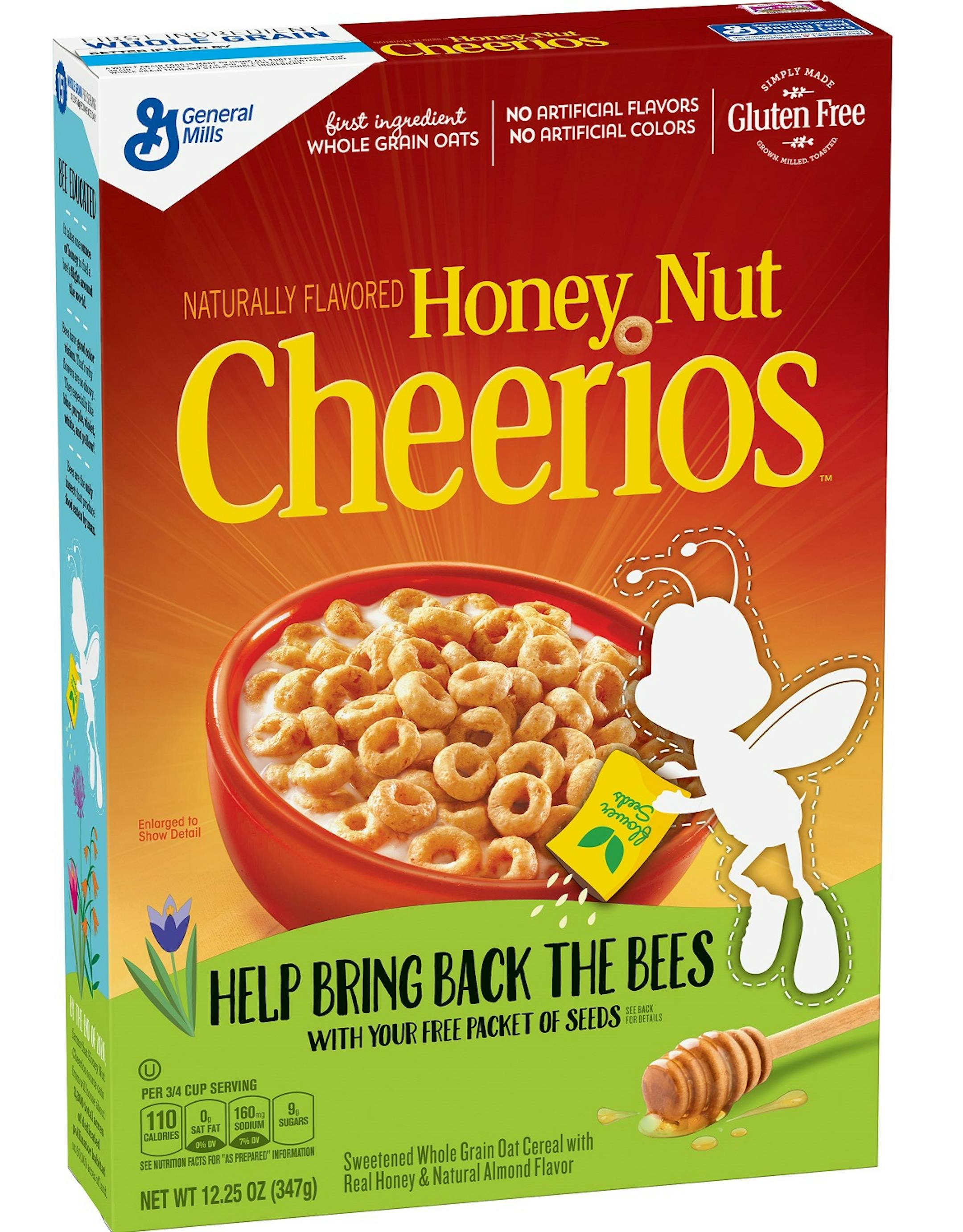
General Mills has removed the bee mascot from its Honey Nut Cheerios box to increase pollinator awareness.
The Golden Valley-based food company is asking consumers to help "bring the bees back" by ordering and planting free wildflowers for the pollinators to feast on.
"BuzzBee" is missing from cereal boxes in the United States and Canada.
The cereal company set up a website for people to order wildflower seeds that will be shipped to homes at no cost. General Mills hopes this will help the firm reach its goal of planting 100 million wildflowers this year while bringing greater awareness of the role that bees play in the food system.
About 30 percent of all ingredients in the company's products rely on pollination, and more than two-thirds of world crops that feed people are pollinated by bees, the company said. In the last several years, General Mills has given more than $4 million to Xerces Society to support pollinator and biodiversity projects.
However, the rate of habitat loss to agriculture — which General Mills also relies on — is staggering. Since 2008, more than 9 million acres of grass and prairie land has been converted to cropland.
There are nearly 54,000 documented bee colonies in Minnesota.
The average Minnesota beekeeper lost nearly 60 percent of bees in 2015-2016, the highest average loss rate of any state, according to the USDA pollinator data.


