

There was a time, believe it or not, when most NFL playing surfaces didn't serve as three-hour infomercials for lawn care or low-maintenance FieldTurf. When gridirons crisscrossed baseball diamonds. When the only "heating systems" came not from miles of underground pipe but that big orange ball in the sky.
When Bud Grant and his four Grey Cup trophies came south from Winnipeg to coach the Vikings in 1967, they brought with them a pre-global warming savviness that often helped the Vikings cope with elements that were out of the NFL's control at the time.
"We used to carry broomball shoes," said longtime Vikings equipment manager Dennis Ryan. "That was Bud's deal in Canada. If the field iced over, guys would put broomball shoes on. We didn't wear them often, but we did in Boston when they were the Boston Patriots and games were at Harvard Stadium."
Fields have evolved immensely, but even in mid-November 2018, NFL playing surfaces were a topic of discussion this week.
Nationally and internationally, the league's eye was blackened when it was forced to move — on six days' notice — the season's marquee prime time game from Mexico City because of horrendous field conditions at Azteca Stadium. Diverting the 9-1 Chiefs and the 9-1 Rams to Los Angeles is a blow to a league itching for global domination.
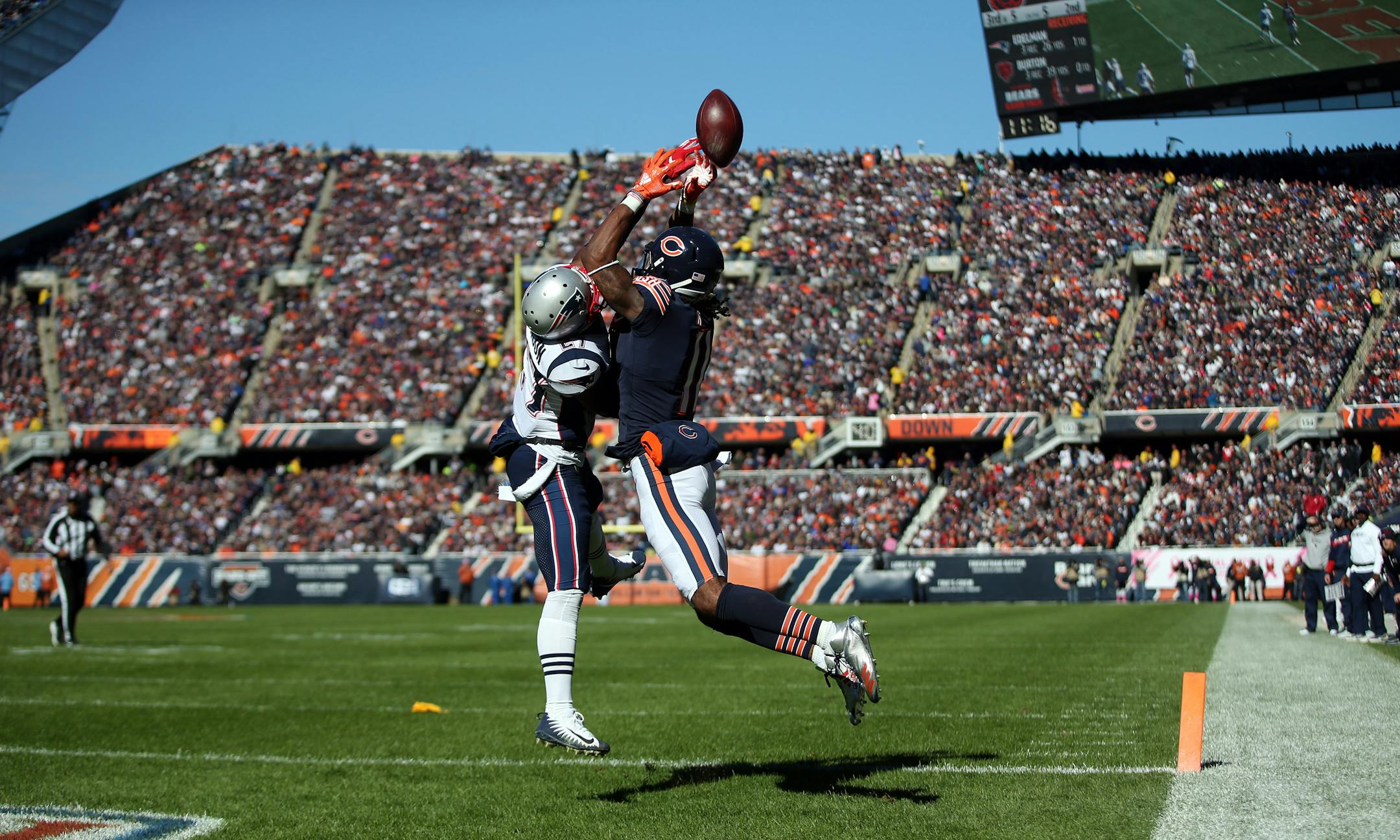
Locally and regionally, the Vikings head to Soldier Field, a proverbial 100-yard box of chocolates made even more unpredictable by a 7:20 p.m. kickoff.
"I don't like to be critical of surfaces, but it's normally not one of the best," Vikings safety Harrison Smith said. "It's been pretty consistent that way."
The Chicago Park District oversees Soldier Field. The Bears are but one attraction that uses the facility, so the sod can get pretty sad as the season ages.


